We spent the day at Magnolia Plantation and Gardens. The grounds were just magnificent. The entrance looked similar to the entrance at Wormsloe Estate in Savannah. The combination of the majestic live oak trees draped with Spanish moss makes you feel like you’ve entered a fantasy world!
Magnolia offers several different tours. We decided to start with the nature train, which focuses on the flora and fauna as well as the wildlife of the plantation. We saw alligators (from a distance!), turtles, giant spiders, and lots of birds. The swampland, rivers, cattails, and ponds were abundant. Our whole family was in awe of the beauty around us. The tour guide told us a story about his encounter with a Carolina panther on that very road. One day he was taking a leisurely stroll on the grounds with his wife and he stumbled upon a panther napping in the middle of that very path!
Next, I took the Slavery to Freedom tour. Like yesterday, I took this tour solo while my husband and children ate snow cones and played in the gardens. This tour provided a comprehensive background of the history of slavery in South Carolina, repeating some details I learned at the Old Slave Mart Museum in Charleston. It also focused on the history of slavery at the Magnolia Plantation itself. The tour guide, Sarah, did not shy away from the facts about conditions for the enslaved. I learned about how rice became the primary crop at Magnolia and in South Carolina. It’s hard to believe considering the weather has been SO hot on our trip, but Sarah explained that the weather in South Carolina was too cold to properly grow sugar. It took them 20 years of trial and error to find a crop that would grow well there. It was the enslaved that suggested rice because it grew well in Africa. Rice ended up being the cash crop that was widely grown in the area and yielded profit. At one point, 2,000 acres of rice was grown on the plantation.
Rice was incredibly labor intensive. It took another decade or two for Magnolia to develop the infrastructure to grow rice. Rice fields had to be flooded because rice itself grew at the top of the plant. The water allowed the rice to float so it could be picked. However, stagnant water was not a good idea. Stagnant water meant mosquitos (deadly malaria), alligators, snakes, and other critters, and a hot bed for bacteria. As soon as someone cut themselves, that bacteria was in their bloodstream. The mortality rate for the enslaved was astronomical.
The Slavery to Freedom Tour shows four different houses preserved to represent different phases of history: life during the colonial period, the Reconstruction period, the Jim Crow period, and the time of the Civil Rights Movement. It was interesting to hear how the conditions changed over time. For example, after 1808, homes of the enslaved were raised above the ground which meant less disease was caught and spread. Fireplaces were just for warmth. All cooking took place outside.
John Drayton, the owner of Magnolia Plantation and a prominent figure in the Confederacy, invested all his money in the Confederacy. When they lost the Civil War, he lost all his money. At that point, he sold a big portion of his land to a mining company. 500 of the original 2,000 acres remain and are preserved today, open to the public.
I purchased a booklet about the museum to read on our next long car ride. The booklet, which is noticeably dated, features mostly information about the Drayton family and their ties back to English nobility. There is one paragraph on the history of slavery on the plantation, including this sentence: “While little is known of conditions existing in the earliest days, it is documented that during at least the latter years of the slavery era, if one had to be a slave, then life on Magnolia Plantation was relatively enviable.”
This brings me back to the conversation I had yesterday with the museum employee about the acknowledgement, or lack thereof, of the role slavery played in the history of South Carolina and the role South Carolina played in slavery. One one hand, the Slavery to Freedom tour exists and includes the details. It was informative and acknowledged the reality faced by the enslaved. On the other hand, the booklet is still sold and distributed and does not appropriately acknowledge that same history.
The “yes and” mentality applies to history too: Yes Magnolia Plantation is a breathtaking site that holds lots of important history. And the Drayton family owned hundreds of slaves who built the plantation. The Magnolia Plantation is a magnificent place – that needs a new booklet.
Thanks for reading!
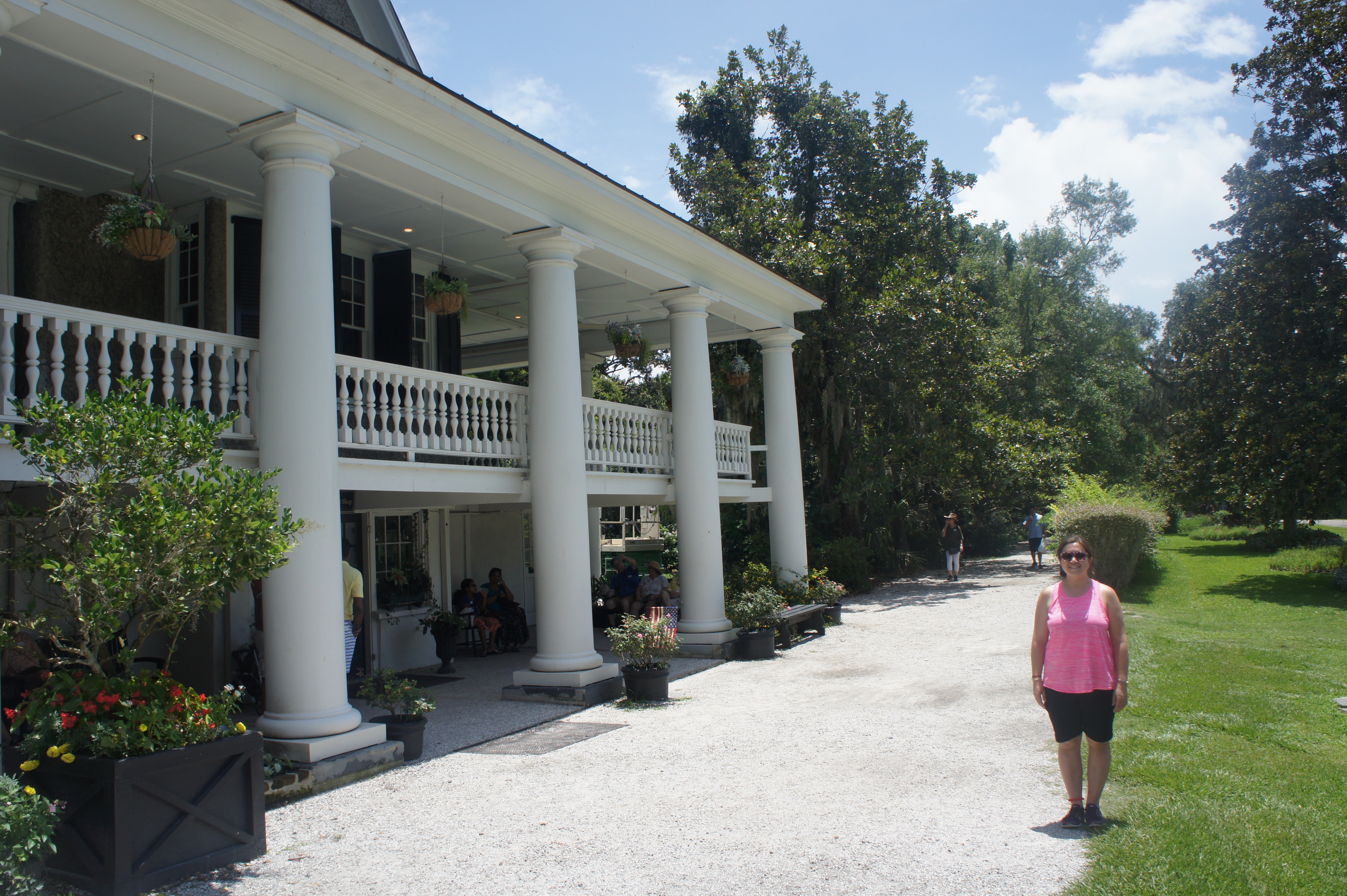
The house at Magnolia Plantation
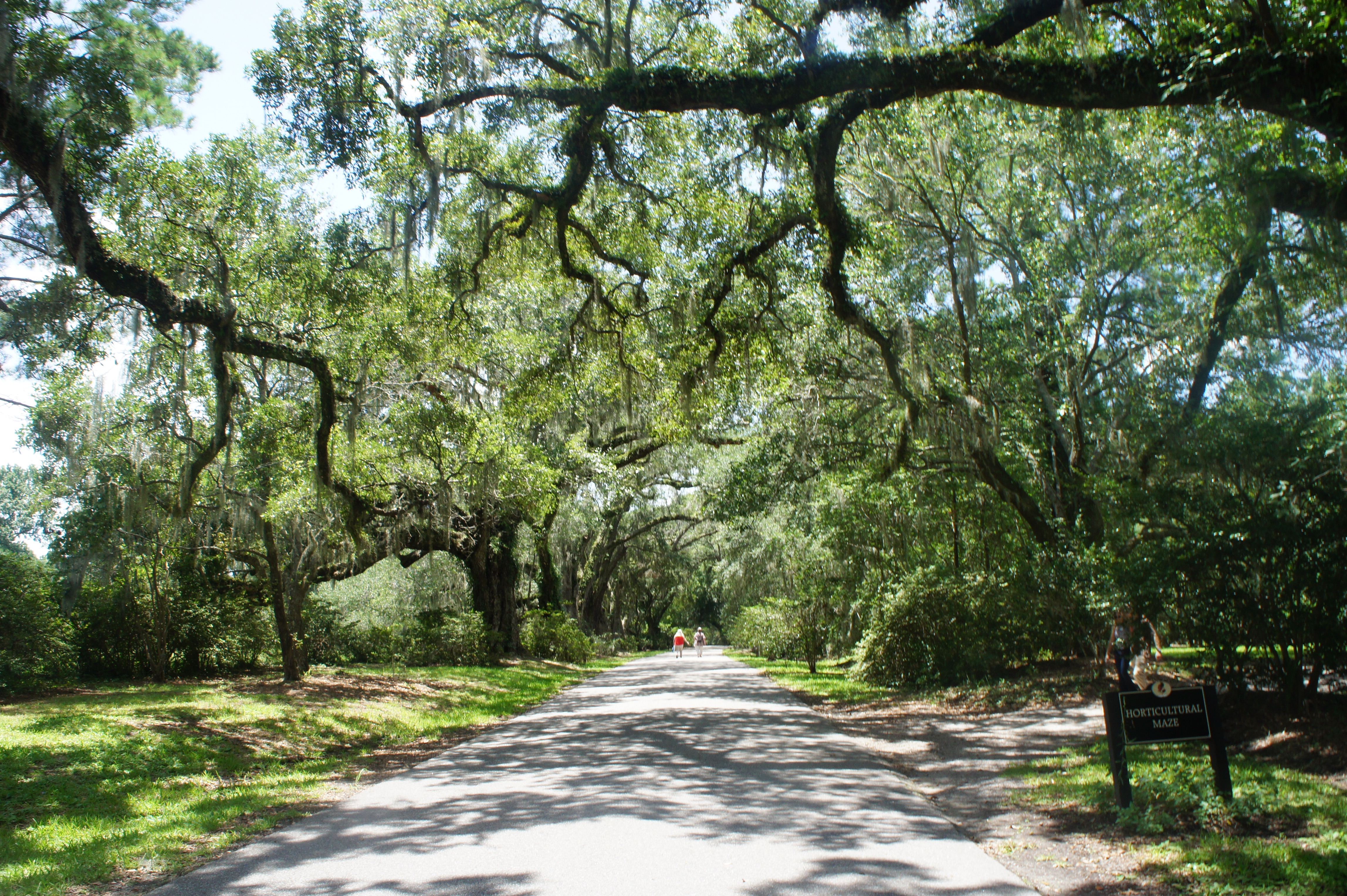
Touring the beautiful gardens at Magnolia Plantation

Touring the beautiful gardens at Magnolia Plantation

Touring the beautiful gardens at Magnolia Plantation
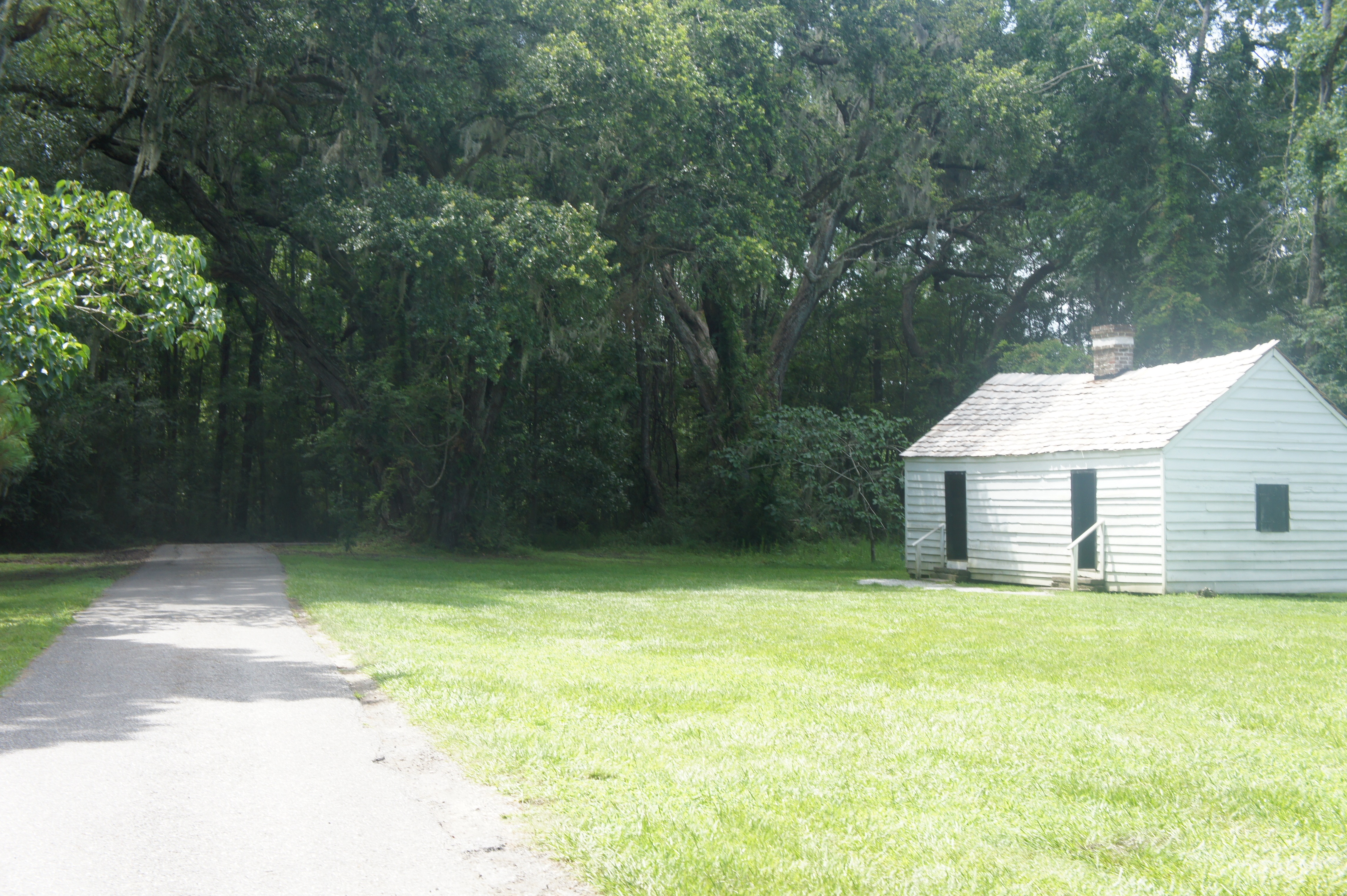
A typical house occupied by the enslaved during the colonial period at the Magnolia Plantation.
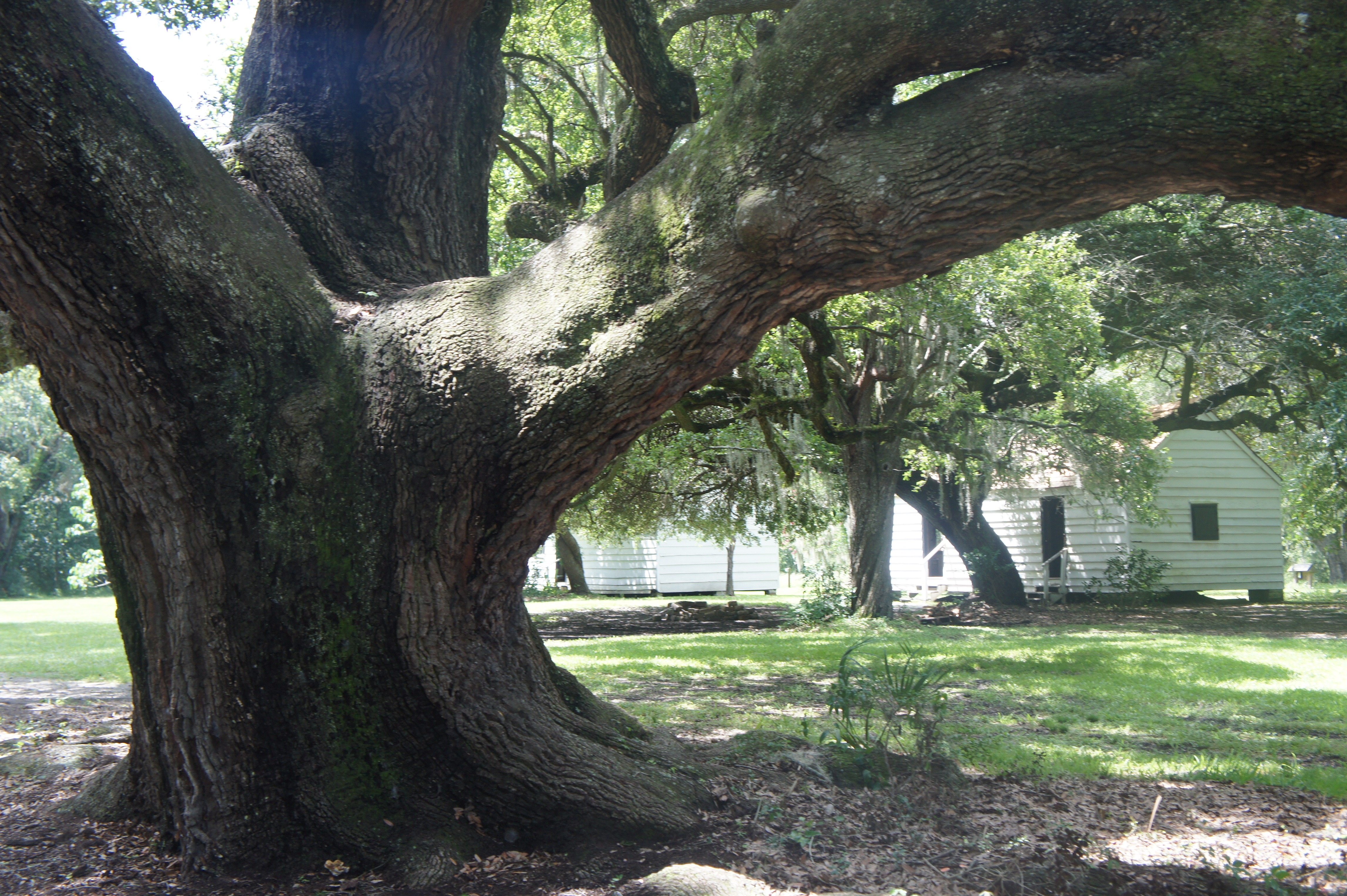
A 450-year-old live oak tree in the Magnolia Plantation. What has this tree seen??
 Miss Healy in Colonial America
I can already imagine the amazing lesson that you will create around the booklet. Your students are so lucky that they will get to share in this experience with you!
LikeLike
Ooooh! What a great idea!! Thanks for reading my long-winded posts!!
LikeLike
Not long-winded at all! I’m enjoying the details and the history. 🙂
LikeLike
I imagine the students in your class can provide a booklet to challenge the current literature sold to the masses.
LikeLike
Yes, I was thinking the same! Cool idea!! 🙂
LikeLike