Today was a travel day. We woke up in our beautiful hotel room in Fayetteville (yay for surprise hotel upgrades!), ate breakfast, and hit the road for Williamsburg, VA. The 4-hour drive was a long one, so we broke it up with a few short stops. We reached Williamsburg by the afternoon, giving us just enough time to get the lay of the land at Colonial Williamsburg’s Revolutionary Village. We will spend more time tomorrow exploring the town and absorbing more details about everyday life in a colonial village at the dawn of the Revolution.
As I’ve mentioned a few times before, the weather here is HOT. Not only are the temperatures high, in the high 80s and 90s, but it is humid as well. A Los Angeles native, I am not used to the humidity. When the humidity is 75% and it’s 85 degrees out, you should add those two numbers together to truly capture what it FEELS like outside!
I do have a point, besides painting a picture for you all to give you a true sense of what it feels like in July in the southeast. I can’t help but imagine what these conditions must have felt like for the colonists, especially those who first settled the land in the early 17th century. The Europeans who first touched ground in the Americas wore multiple layers of woolen clothing. Some even wore chainmail suits or armor on top of their clothes as protection from the Native Americans’ arrows. They bathed maybe once or twice in a year. I feel hot and sticky in my shorts and tank top. It’s unbearable to even imagine how the colonists felt in their clothing with this heat and humidity. Not to mention those who experienced horrible droughts, such as the Jamestown and Roanoke colonists. They didn’t have the luxury of stopping for chilled water or a snow cone, either! At Wormslow, I learned that heat stroke was the #2 killer of European settlers during the colonial period.
And then there are the mosquitos. The bugs drove colonists crazy. The bugs drive ME crazy too, so I don’t blame them. I always tend to get bitten and have a handful of bites on my arms and legs. Thankfully I have anti-itch cream and bug spray so it’s manageable. The colonists did not. And to top it all off, the mosquitoes that bit the colonists carried deadly malaria germs that killed many.
As we drove through Virginia, I gazed out the window in awe of the thick forests, rivers, swamps, and abundant land. It’s easy to imagine what this land looked like in 1607 when the Jamestown colonists arrived. They were the first Europeans to settle this area, so they needed to build any homes they wanted to live in. I can imagine how setting foot on that wild, abundant land thick with foliage and wildlife could have felt intimidating to the first settlers, especially given the fact that they did not have any wilderness skills or work ethic. More on Jamestown in a few days when we visit the recreation of the settlement nearby. It’s one of my favorite topics, and the kids always love learning about it too.
Thanks for reading!
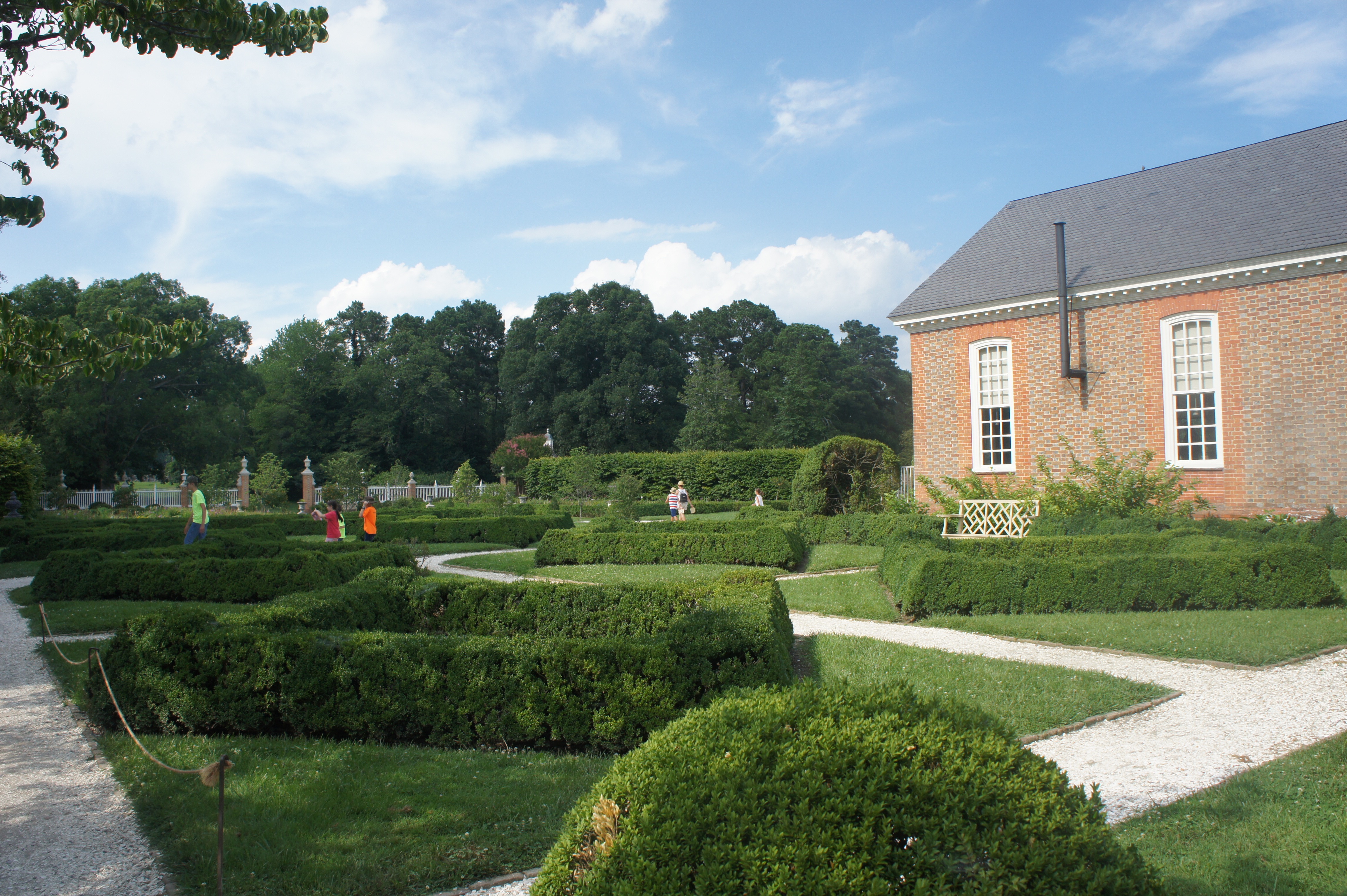
SONY DSC
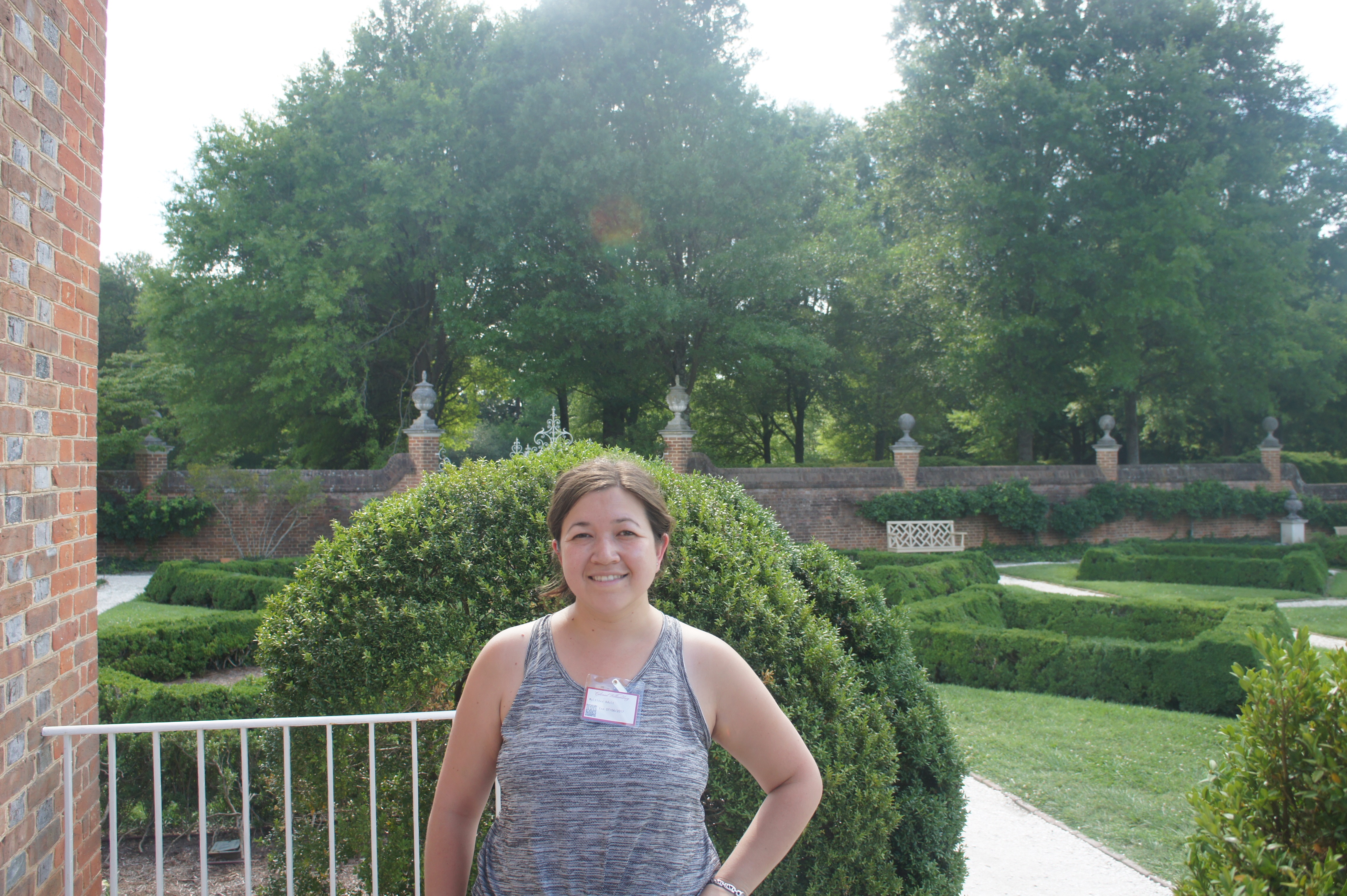
The Governor’s Palace at Colonial Williamsburg
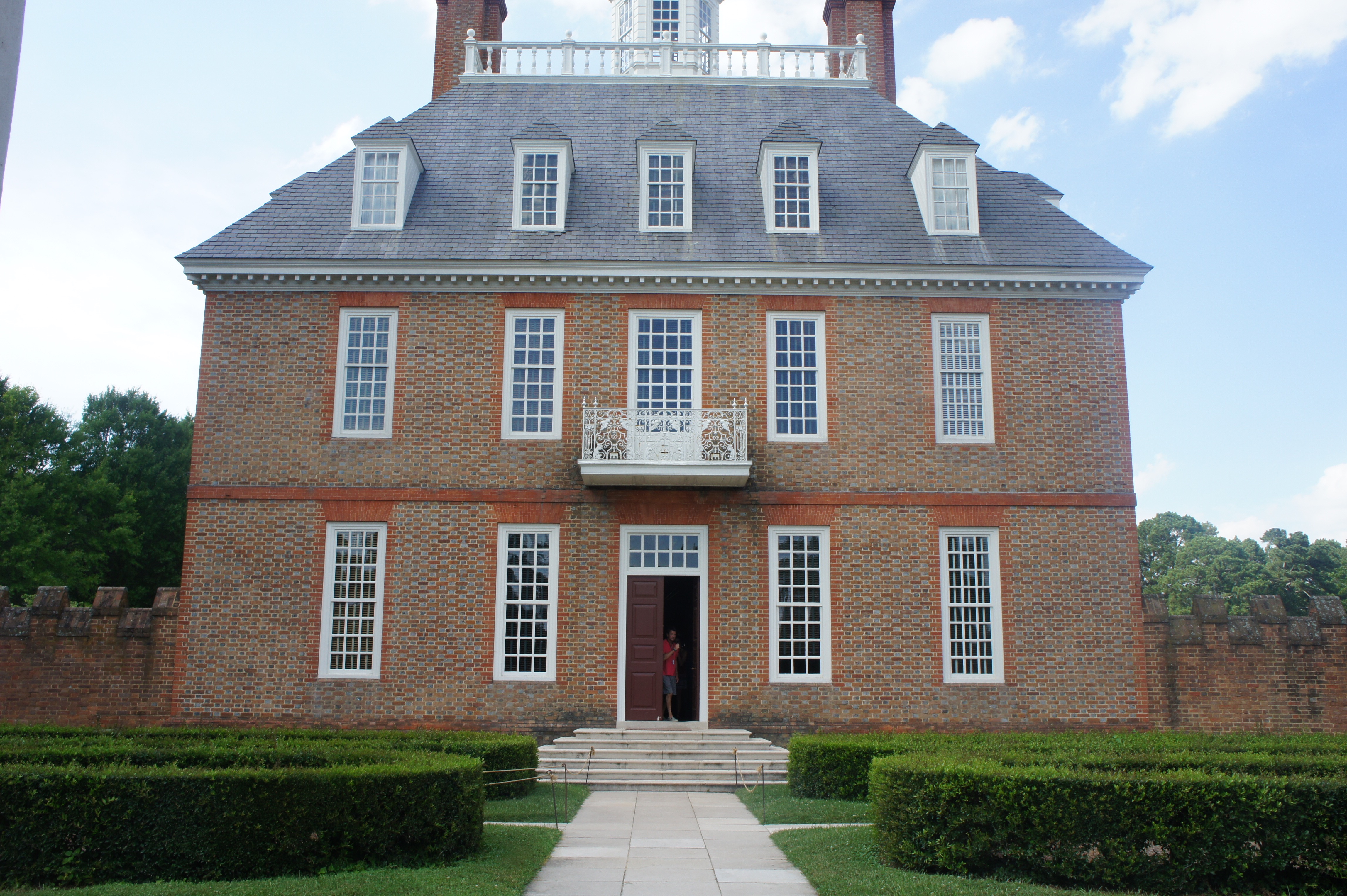
The Governor’s Palace at Colonial Williamsburg
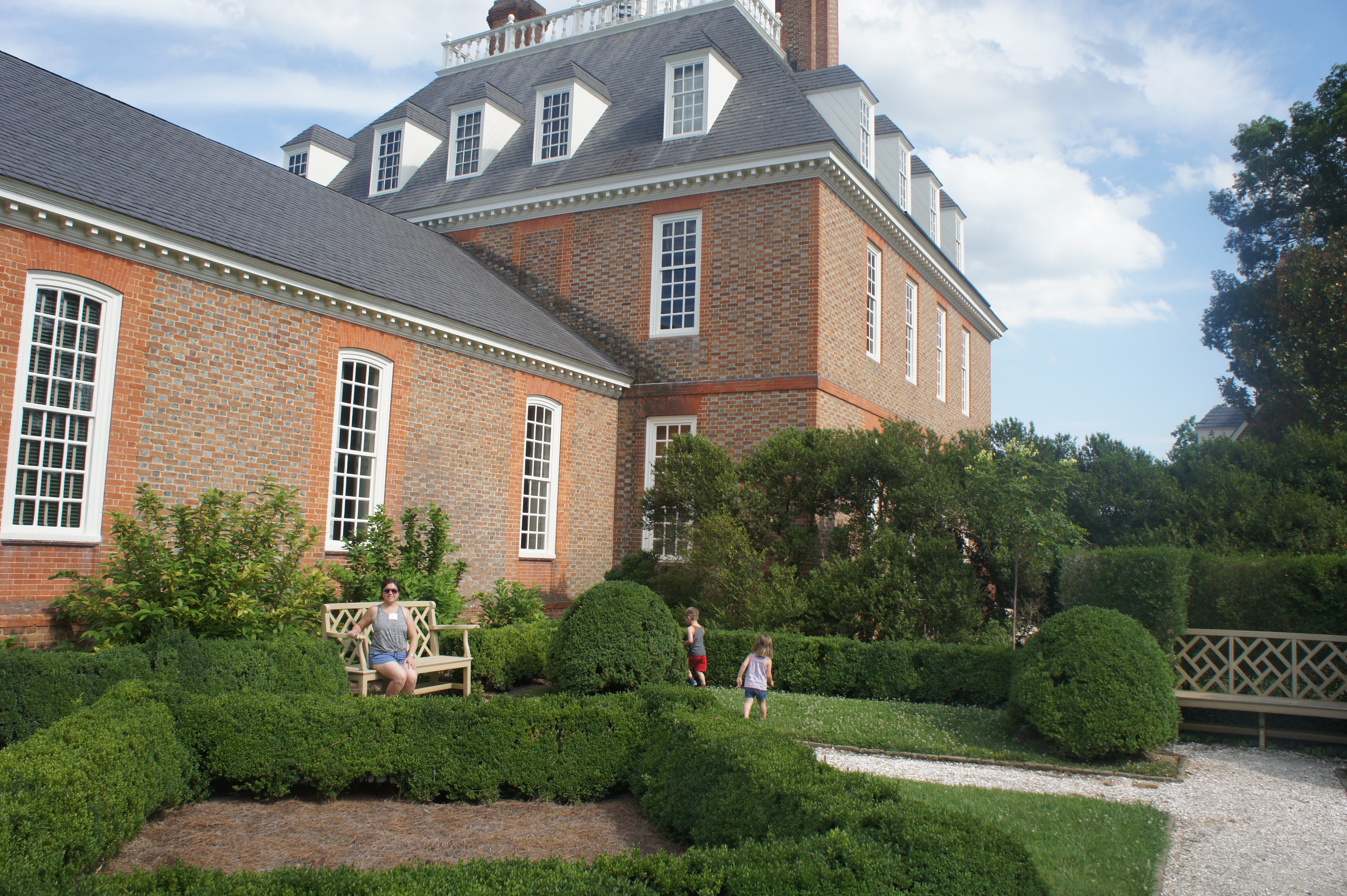
The Governor’s Palace at Colonial Williamsburg
 Miss Healy in Colonial America
Hopefully you will find some relief from the sticky heat and the mosquitoes as your travels continue! Happy 4th of July! ?
LikeLike
Thanks Kasey!! Thankfully no new bites in several days!
LikeLike
Sounds like a great place to spend the 4th, surrounded by all that history. Thank goodness for air conditioning and bug spray!
LikeLike
Thanks Terri!!
LikeLike
I’m curious about your comment that the colonists didn’t have “wilderness skills or work ethic.” Would you elaborate?
Two of the most memorable experiences I had at Williamsburg were a nighttime concert in the Governor’s mansion and a performance by glass armonica musician Dean Shostak. I don’t know if these are currently offered, but I highly recommend them both.
LikeLike
Hi Dede. The first settlers at Jamestown were mostly English gentlemen who were born into wealth and came to the New World primarily because of the promise of gold (which was not there). These men did not have wilderness or survival skills or any idea of the hard labor necessary to start a settlement (building houses, hunting, farming). Additionally, The London Company who sponsored the journey paid every member of the group an equal salary, which did not give any further incentive to work hard.
I am visiting Jamestown today, and will write more about the settlement in tonight’s post. Thanks!
LikeLike