The town silversmith’s shop[/caption]Today we spent the whole, glorious day at Colonial Williamsburg! The heat and humidity were back at it, making the day even more exciting 🙂 To spend the Fourth of July in Colonial Williamsburg was truly a treat!
My goals for the day were to see as many colonists practicing their trades as possible and to get a sense of everyday life in a colonial city at the dawn of the Revolution. I was happy to learn some new information along the way as well.
I spent the morning hopping from shop to shop, watching colonists in the thick of their work and asking them questions about their trades. I spoke with the town apothecary, silversmith, cabinet maker, blacksmith, printer, tanner and cook. Each was well versed in his/her trade and explained the steps and lifestyle of his/her persona.
Walking the streets of Revolutionary City was validating of the work we do in fifth grade familiarizing the students to everyday life during the colonial era. I was happy to see that many of the details displayed at Williamsburg are already present somewhere in our curriculum – either in our social studies work or through our topical colonial research project.
During my guided tour of the Capitol Building of Williamsburg, I learned more information about the Virginia House of Burgesses and George Mason. Mason wrote the Virginia Declaration of Rights. This included five unalienable rights, some of which went on to appear in the Declaration of Independence after Mason proposed his document to Thomas Jefferson. Mason was anti-slavery, though he owned slaves himself. He was the one who originally stated that “all men [are] created equal” in the first article, though he later amended the wording after the other delegates refused to agree, fearing their slaves would be considered their equals. The amended wording would read: “when they enter into a state of society.” This would exclude the enslaved.
I spent time tonight researching more about George Mason and was happy I had the opportunity to learn more detail about him. His was a name I had heard, but now that I have learned more about him, I’ll be sure to discuss his role with my students next spring when we learn about the Declaration of Independence.
Tomorrow, we will travel through Jamestown. Thanks for reading!
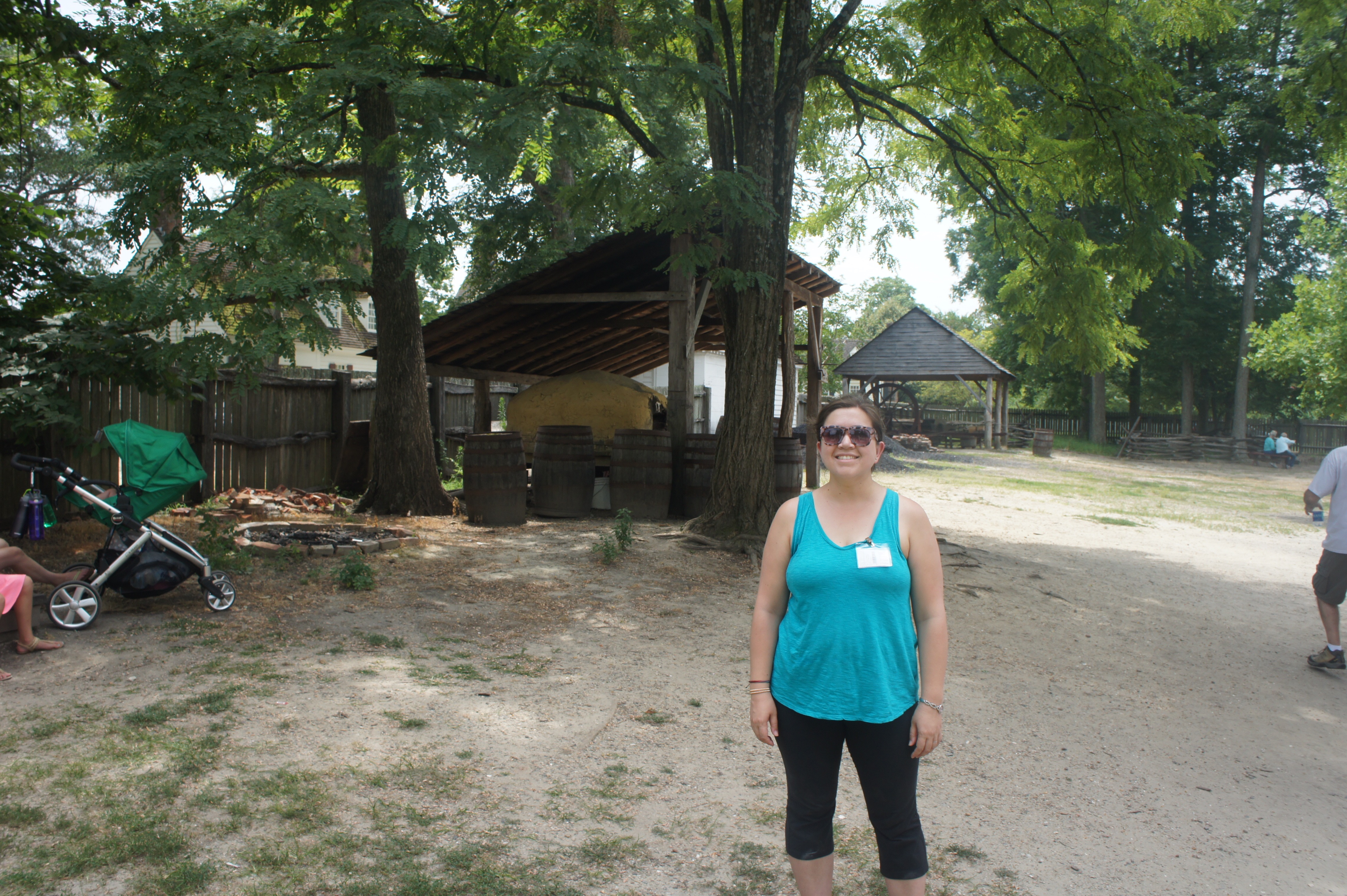
The middle of the colonial town, in front of the 18th century oven.
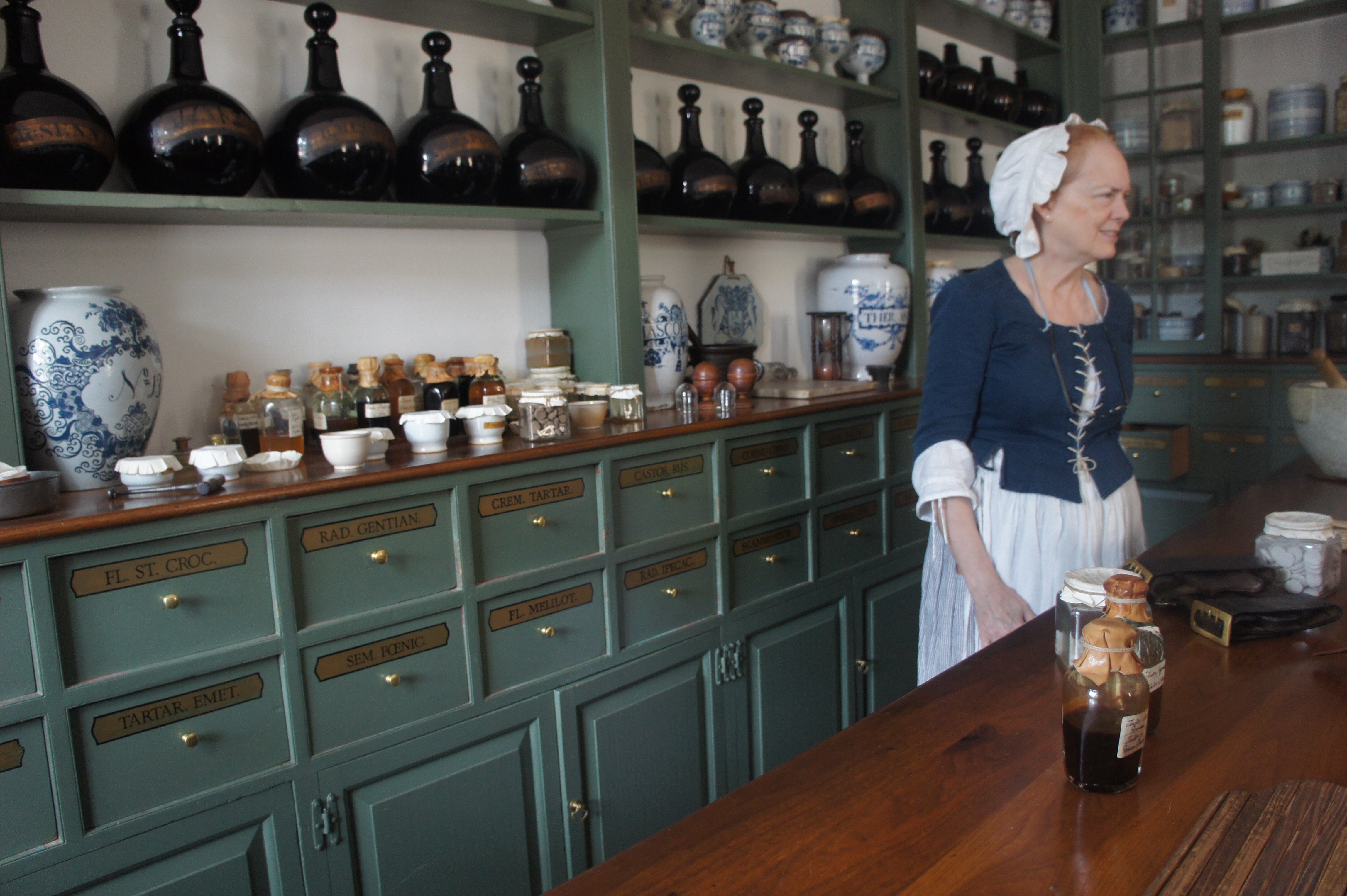
A town apothecary talks about remedies for a number of common ailments
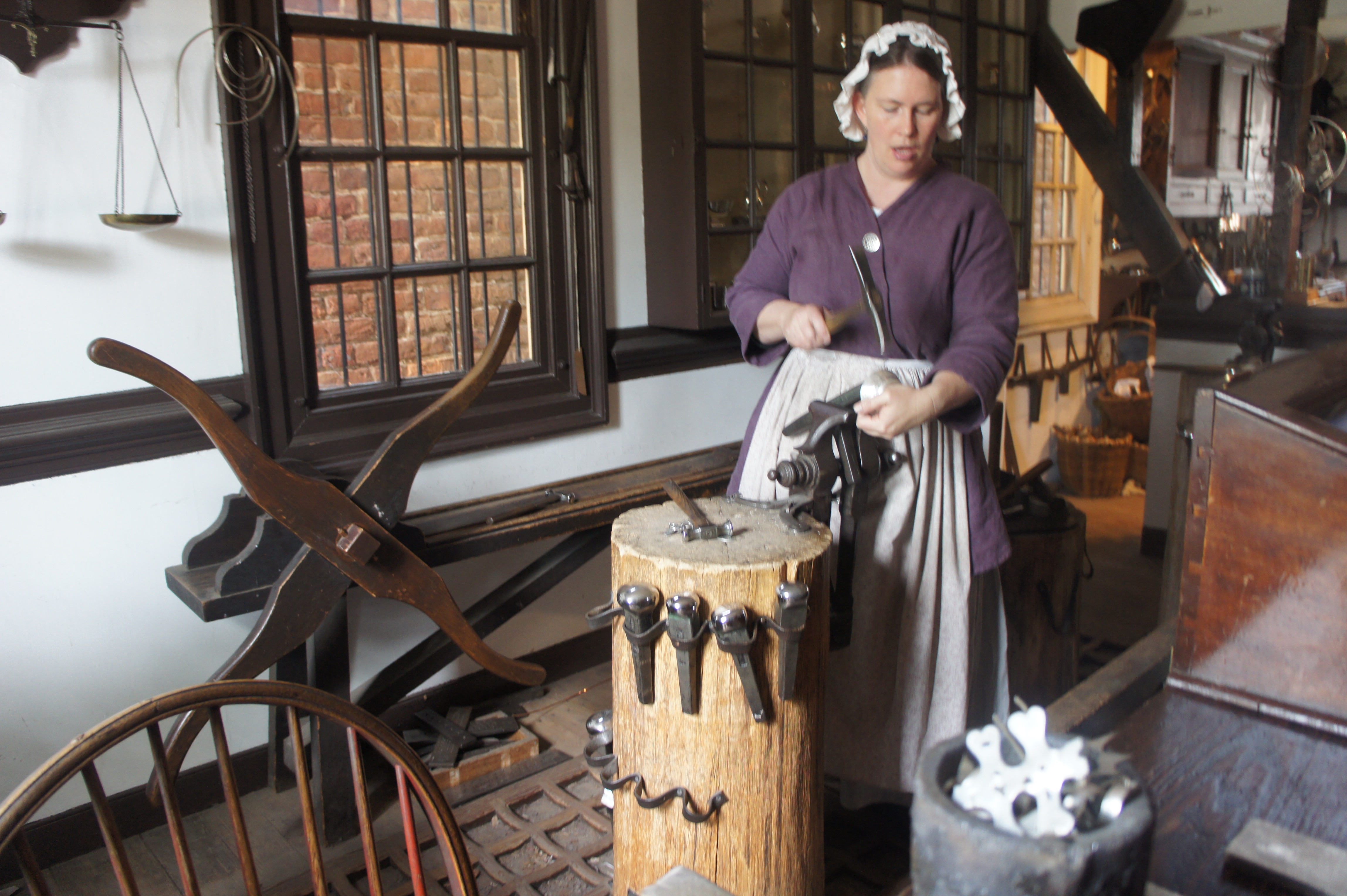
A town silversmith talks at length about her craft.
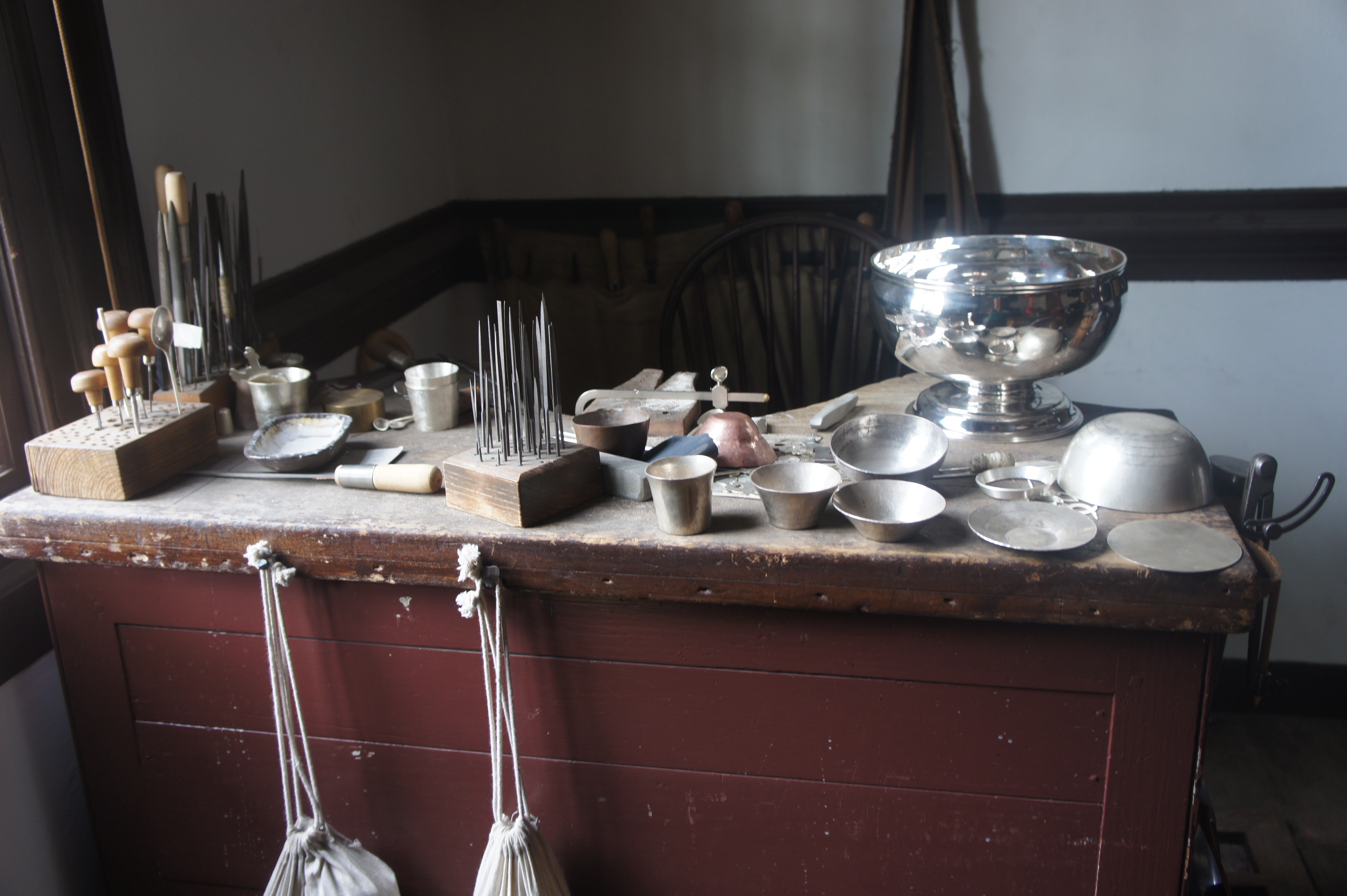
The town silversmith’s shop
 Miss Healy in Colonial America
George Mason will make for some interesting classroom discussion as the kids dig into the idea that he was against slavery but still chose to partake in owning slaves for his own financial security.
I bet the colonial shops are fascinating–fun to see the different skills and methods needed to operate the different businesses!
LikeLike
Yes I agree! I thought it was interesting to learn more about George Mason because you don’t hear his name too often, yet he had a pivotal role. Thanks for reading!
LikeLike