Today was all about JAMESTOWN! Our unit about Jamestown is one of my favorites to teach. The students find it fascinating and our mutual excitement makes it all very engaging. Our work focuses on the first few years of settlement, which were treacherous and rife with challenges for the early settlers. If you ask our recent fifth graders, I am confident they would be able to tell you about these challenges: mosquitoes that carried malaria, either bone-chilling or stiflingly hot weather, swampy grounds that bred the mosquitoes and made for bad drinking water and a poor site for farming. They arrived too late to plant crops and with no knowledge of how to utilize the land for farming or fishing. More than half of the 104 passengers on the original boats were English gentlemen who came from English nobility, lacked wilderness and survival skills and did not plan to contribute to the hard labor necessary to start a settlement (build houses, farm, etc). To top it all off, there was a horrible drought that lasted several years.
We discuss the leadership of John Smith, a scrappy, burly man of yeoman stock who had no patience for the English gentlemen. He believed every man should contribute to the growth of the settlement. He knew the importance of a peaceful relationship with the Native Americans, the Powhatan. Unfortunately, shortly after Smith left the colony (which was not intended to be a permanent departure, but he died unexpectedly in an accident), the Starving Time hit the colony. Of the 500 colonists at the start of Winter 1609, only 60 survived by the next spring.
Eventually, Jamestown makes it as a result of a little plant called tobacco.
We arrived at Historic Jamestowne ready to learn more details about the settlement and to walk around the very spot where the first settlers set foot on May 13, 1607. I geeked out, big time!
The most interesting part of our visit was the information about the archaeologists’ findings that tell the story of Jamestown. A whole building of the museum is dedicated to the archaeology with displays that tell all about what can be interpreted from each treasure they uncovered. For example, the scientists can extrapolate that the settlers and the Powhatan spent time together socially because pieces of Native American pottery were found in the Jamestown settlement. They found pieces of military weapons brought to Jamestown by the English gentlemen, as they had experience in the military and were expected to use their own personal weapons to help protect the colony from the Native Americans.
The museum includes a large display about Pocahontas and her role in Jamestown’s history. While many historians retell the story John Smith himself told about how she saved his life when he was almost executed by her father, the Powhatan (chief of the vast Powhatan territory), the museum stated that some critics say Smith made the whole thing up. They claim it was too early in their time in Jamestown for her to have played a role that significant, and he simply wanted the attention. I had never heard that interpretation before, so that was certainly interesting. I learned more about Pocahontas’s life beyond the early years of Jamestown. She married Englishman John Rolfe, was baptized Christian, and traveled to England to promote the colony of Virginia. Her last words, “All must die. ’Tis enough that the child liveth,” were famously interpreted to mean that she hoped her intercultural relationship would live an enduring legacy. Many individuals can trace their lineage to Pocahontas and Rolfe, so her hope came true.
I can confidently say I deepened my knowledge about Jamestown and can’t wait to explore this subject further with my class in the fall!
Tomorrow, we will visit Mt. Vernon. Thanks for reading!
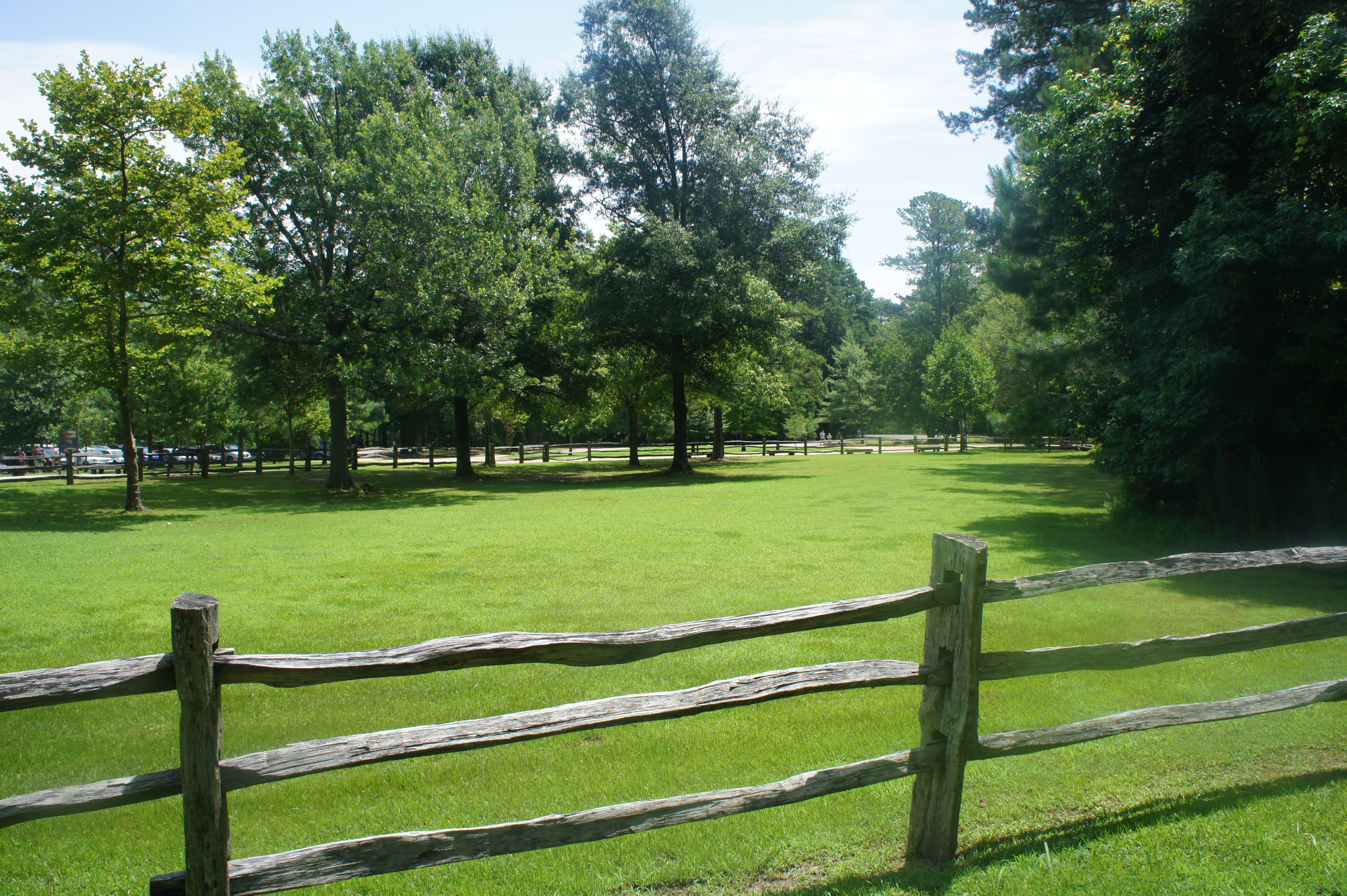
Historic Jamestowne
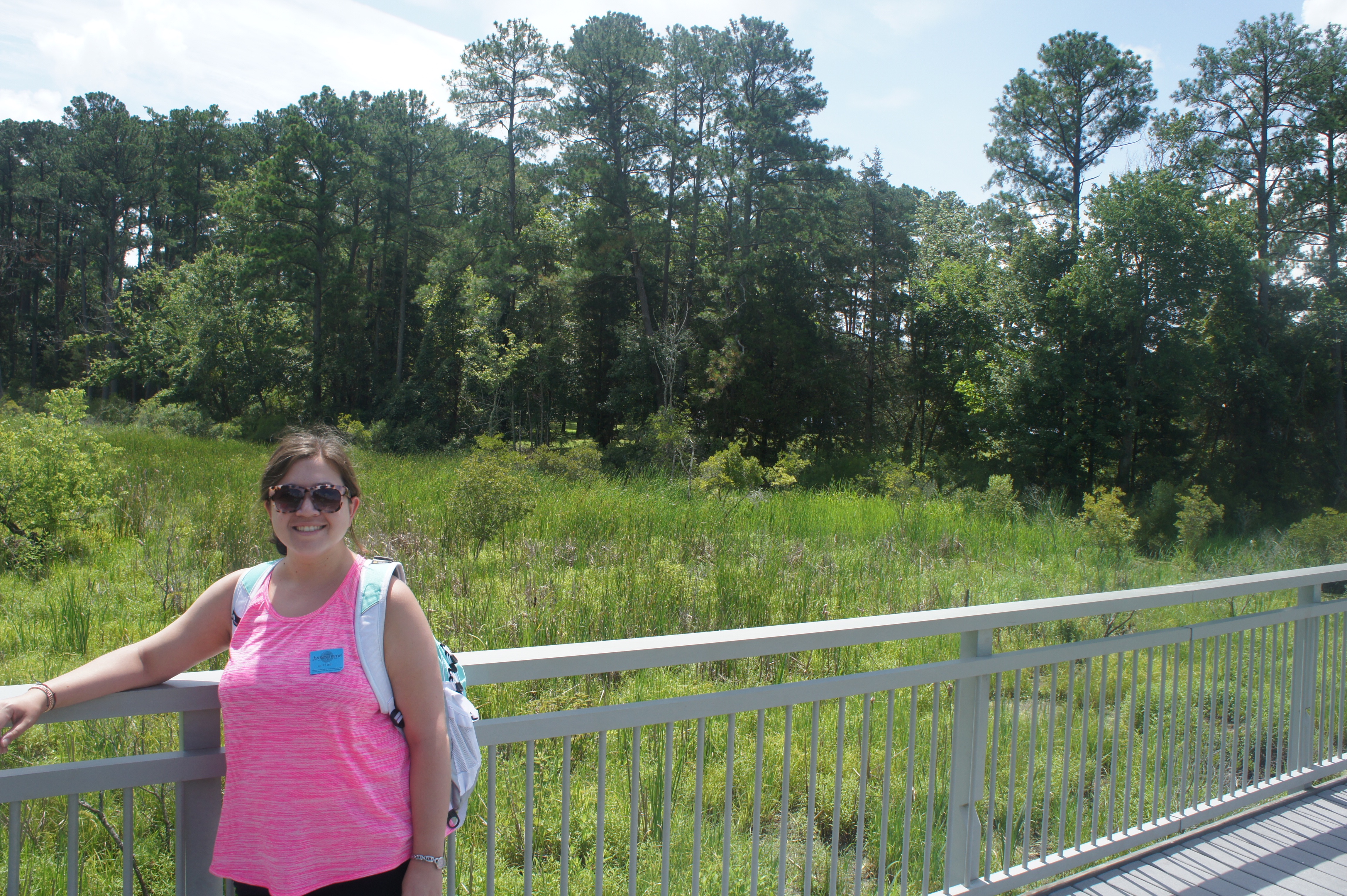
Walking across the leisurely walkway above the swampy land at Jamestown
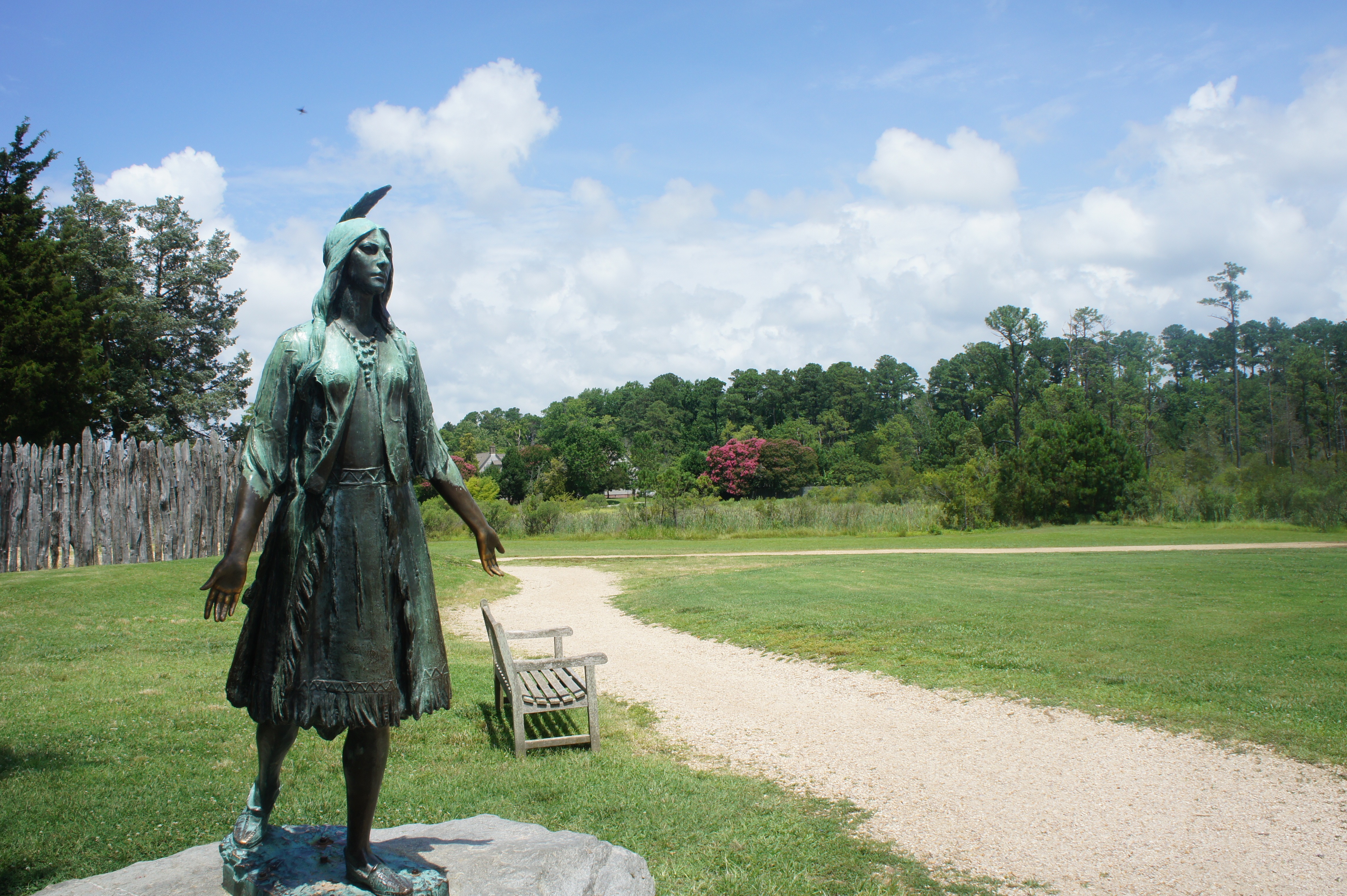
A statue to commemorate Pocahontas
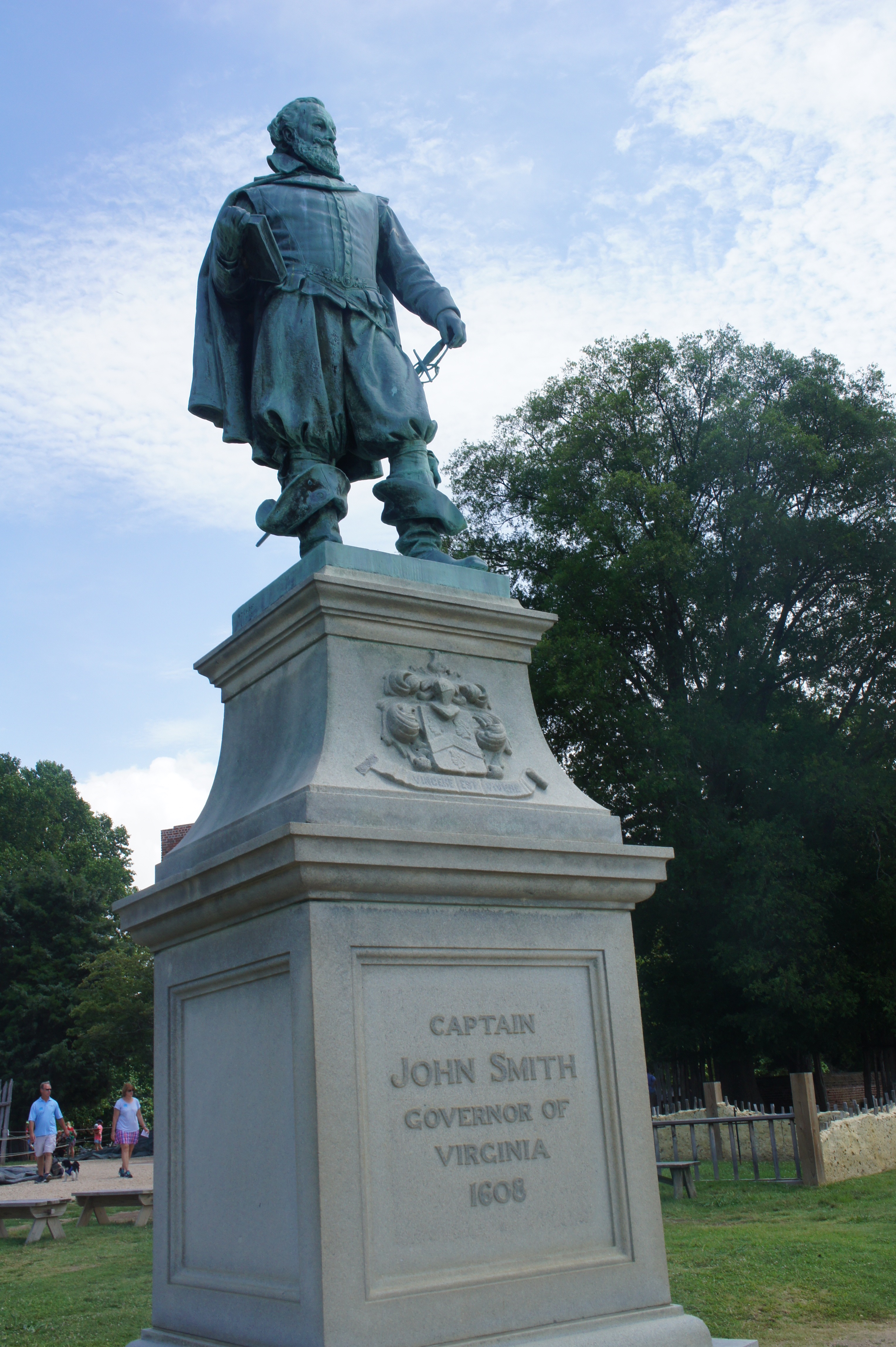
A statue to commemorate John Smith
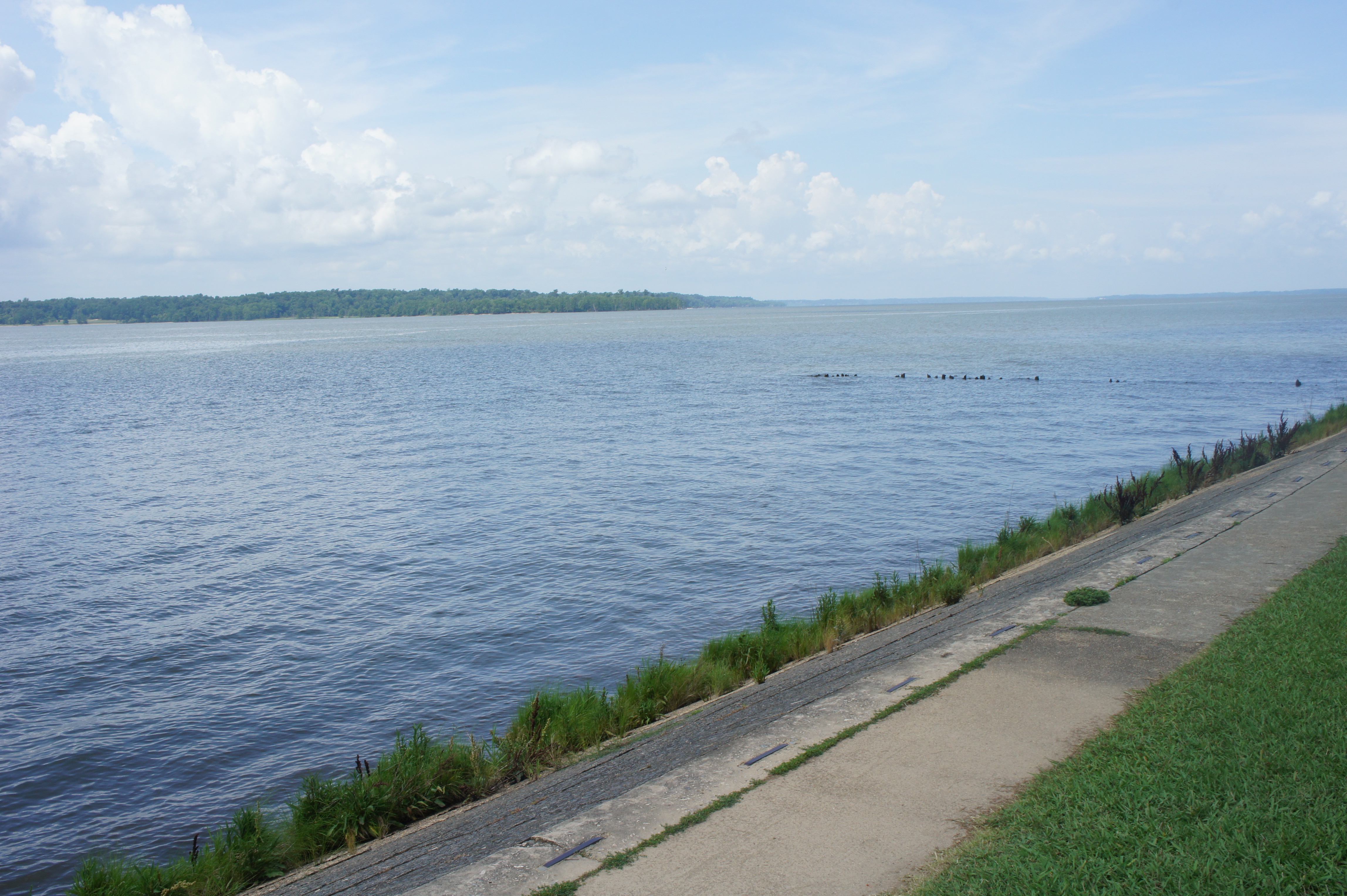
The vast James River
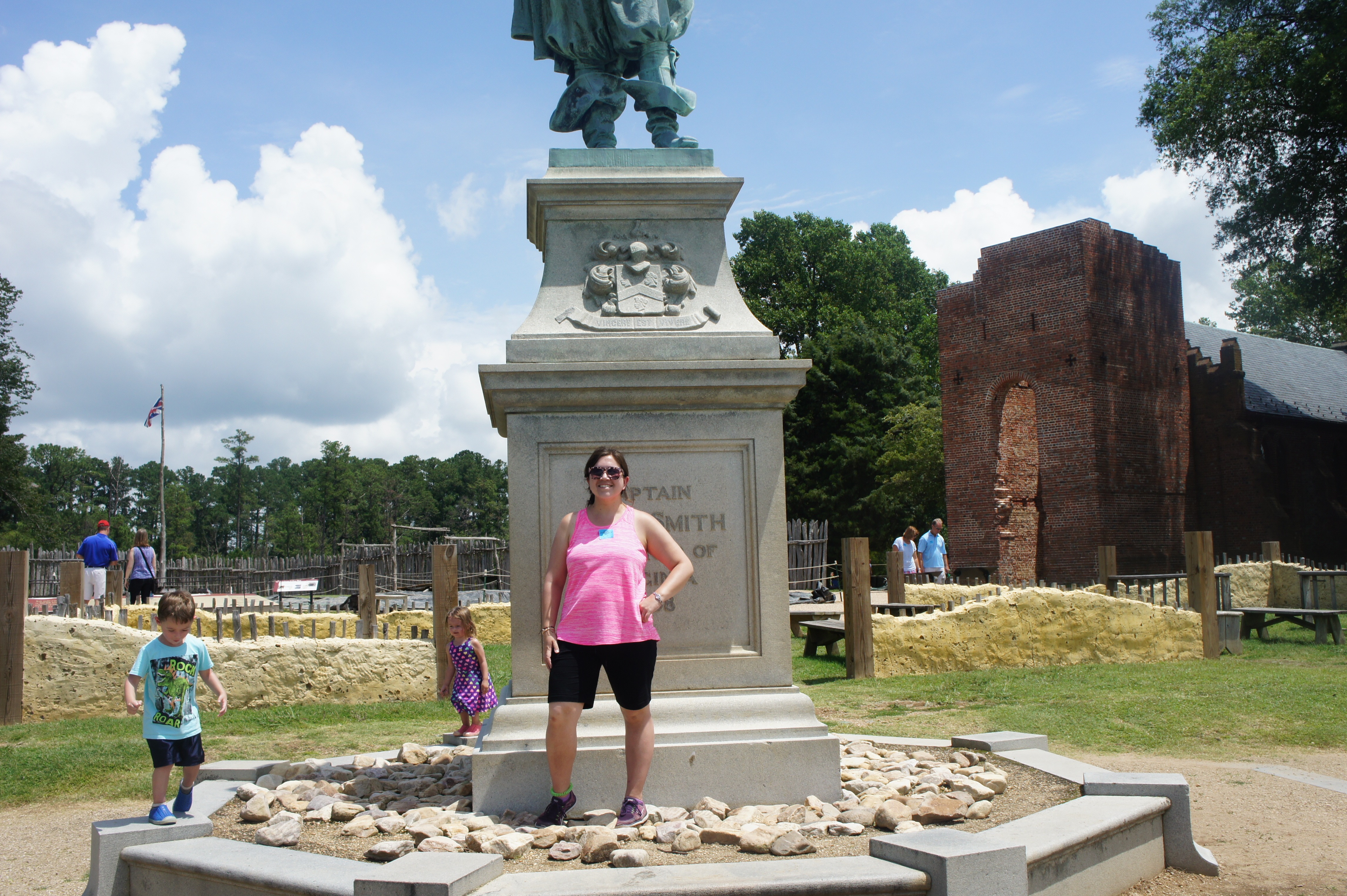
Hangin’ with John Smith
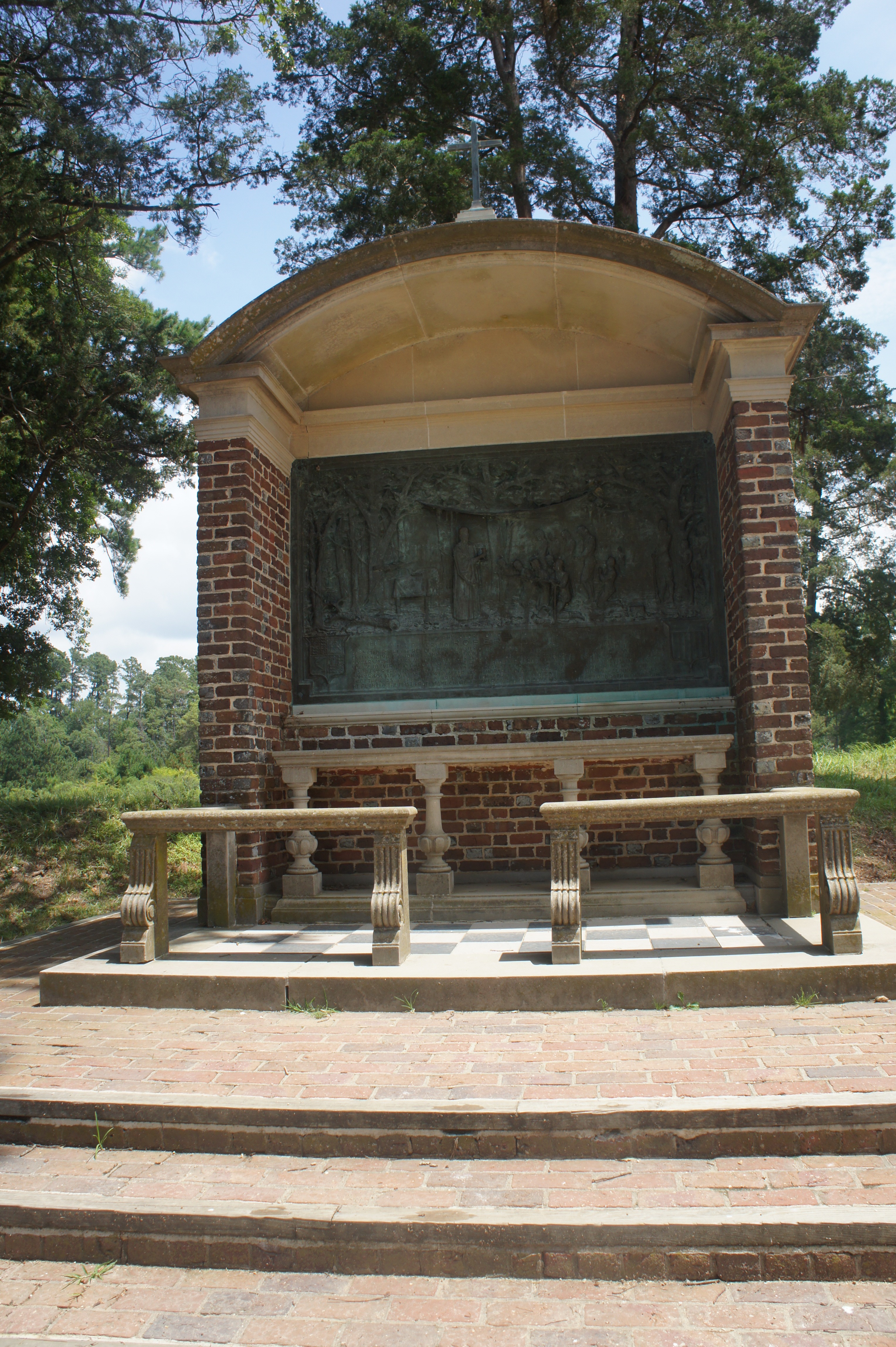
A memorial for Reverend Hunt
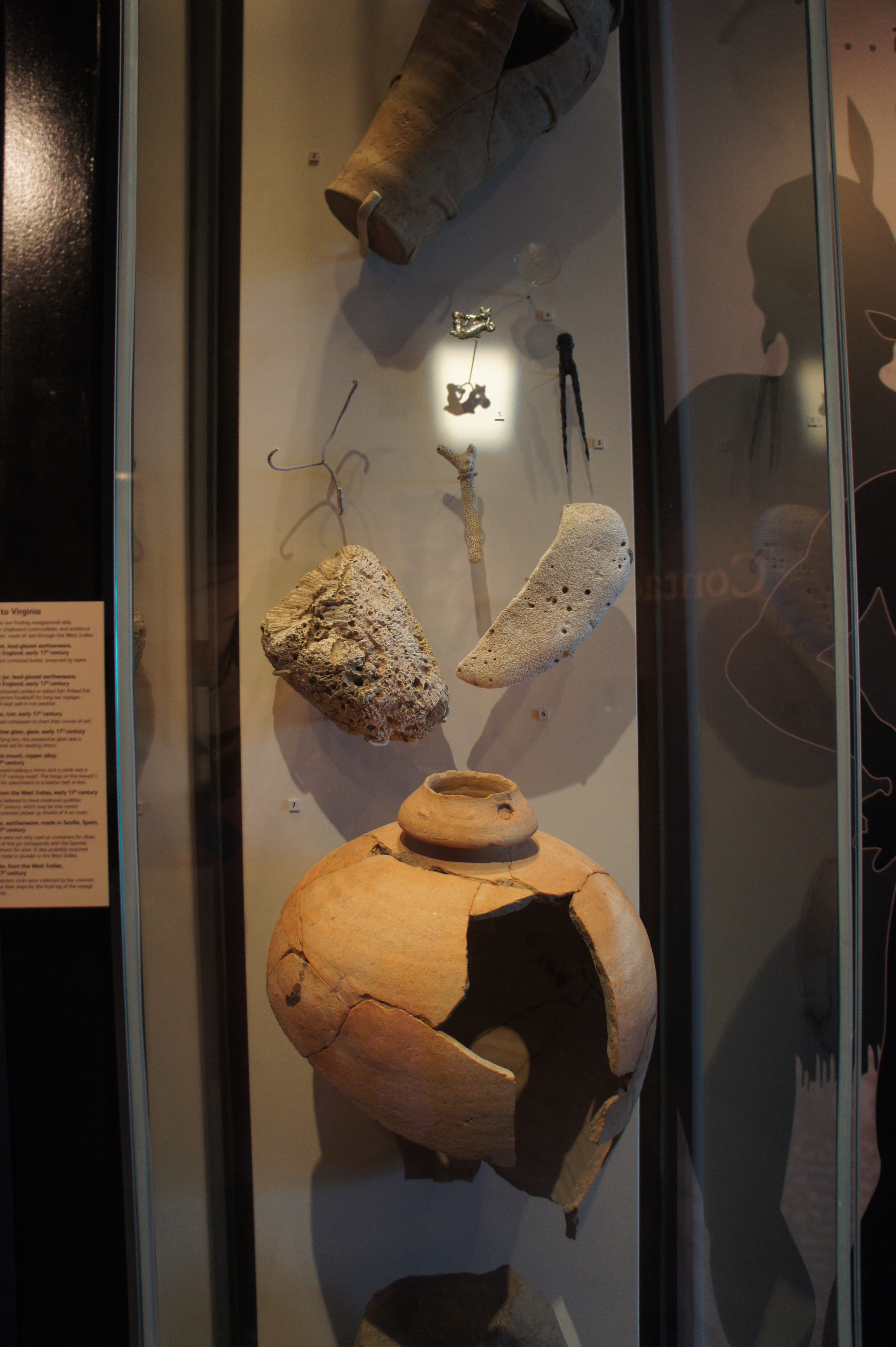
Pottery excavated at the Jamestown settlement
 Miss Healy in Colonial America
I think it is so exciting that you have been teaching and studying these topics for years but that your various visits are presenting you with brand new details and information! 🙂
LikeLike
That’s exactly what I’ve loved about the trip! Thanks so much for reading & commenting, Kasey! 🙂
LikeLike
Considering the extreme conditions, mosquitoes included, it is amazing that anyone survived at all! I also had never heard the other story about Pocahontas. Thanks for all the interesting reading:)
LikeLike
So glad you’re enjoying it, Terri! 🙂
LikeLike