On our penultimate day of the trip, I leisurely explored the Museum of the American Revolution in Philadelphia. I came upon this museum while researching locations for the trip this spring. It only opened this past April, so I am lucky to have been able to go! The museum is a wonderful addition to the city. It is engaging and interactive and tells the story of the Revolution in the form of a narrative that is easy for any museum-goer to follow. While the museum experience is quite comprehensive and focuses on all the major battles and people, my main takeaways were the lesser-known stories and details, those that add depth and color to the Revolution.
I was particularly interested in learning about the Oneida’s role in the war. The Oneida is one of the Six Iroquois Nations. They stayed neutral during the French and Indian War, but were pressured to take sides during the Revolutionary War. Many other Native American Nations chose to fight with the British, who promised they would preserve their land in the even that they won the war. The Oneida were especially critical during the Battle at Valley Forge. They were later employed by General Washington as spies and scouts that reported information to the Patriots about British military strategy. The Oneida were important allies to the revolutionaries.
On July 9, 1776, just a few days after the Declaration of Independence was signed, General Washington asked the Declaration to be read to his troops in New York. Many took to the streets after the reading, which led to crowds of Patriots knocking down and demolishing a metal statue of King George. Musket balls were made out of the metal as an act of symbolism. Only a few fragments of the statue remain, and those are on display in the museum.
The museum included exciting displays about the events that led up to the Revolution as well. I smelled the same kind of tea that was dumped into the Boston harbor in an act of protest. I saw an enlarged version of Paul Revere’s etching of the Boston Massacre, a critical piece of Patriot propaganda. I felt a piece of the tree that served as a meeting place for the Sons of Liberty. I saw the stamp that was placed on every piece of parchment and taxed during the Stamp Act. It didn’t occur to the British that the colonists would be upset by these taxes. The very concept of Taxation without Representation didn’t occur to them. Boy, were they in for a surprise!
Tomorrow is our last full day of the trip before we fly home early Tuesday morning. We’ll visit Independence Hall and the Liberty Bell. Thanks for reading!
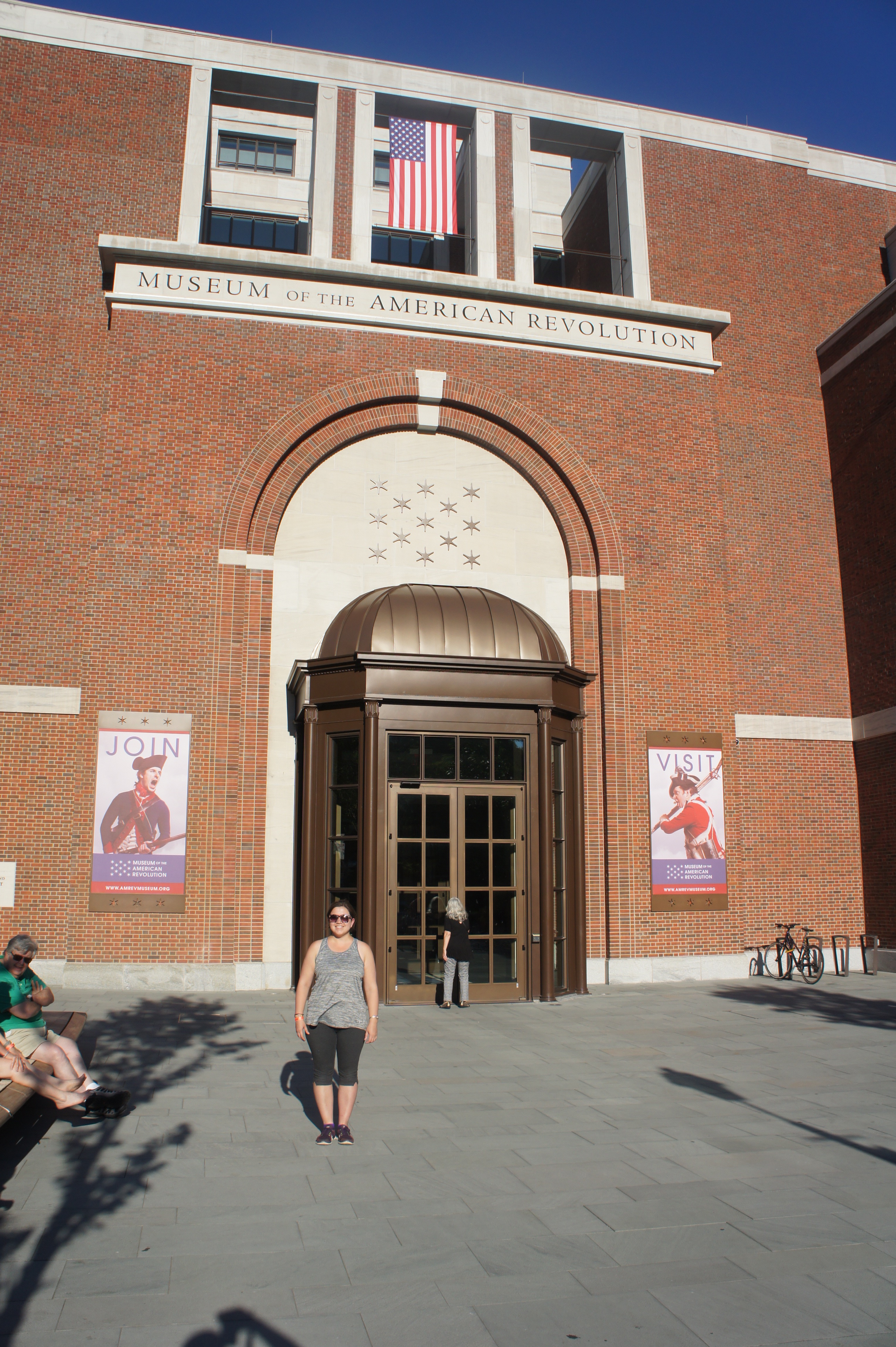
The Museum of the American Revolution

As many as six men would sleep in a tent this size
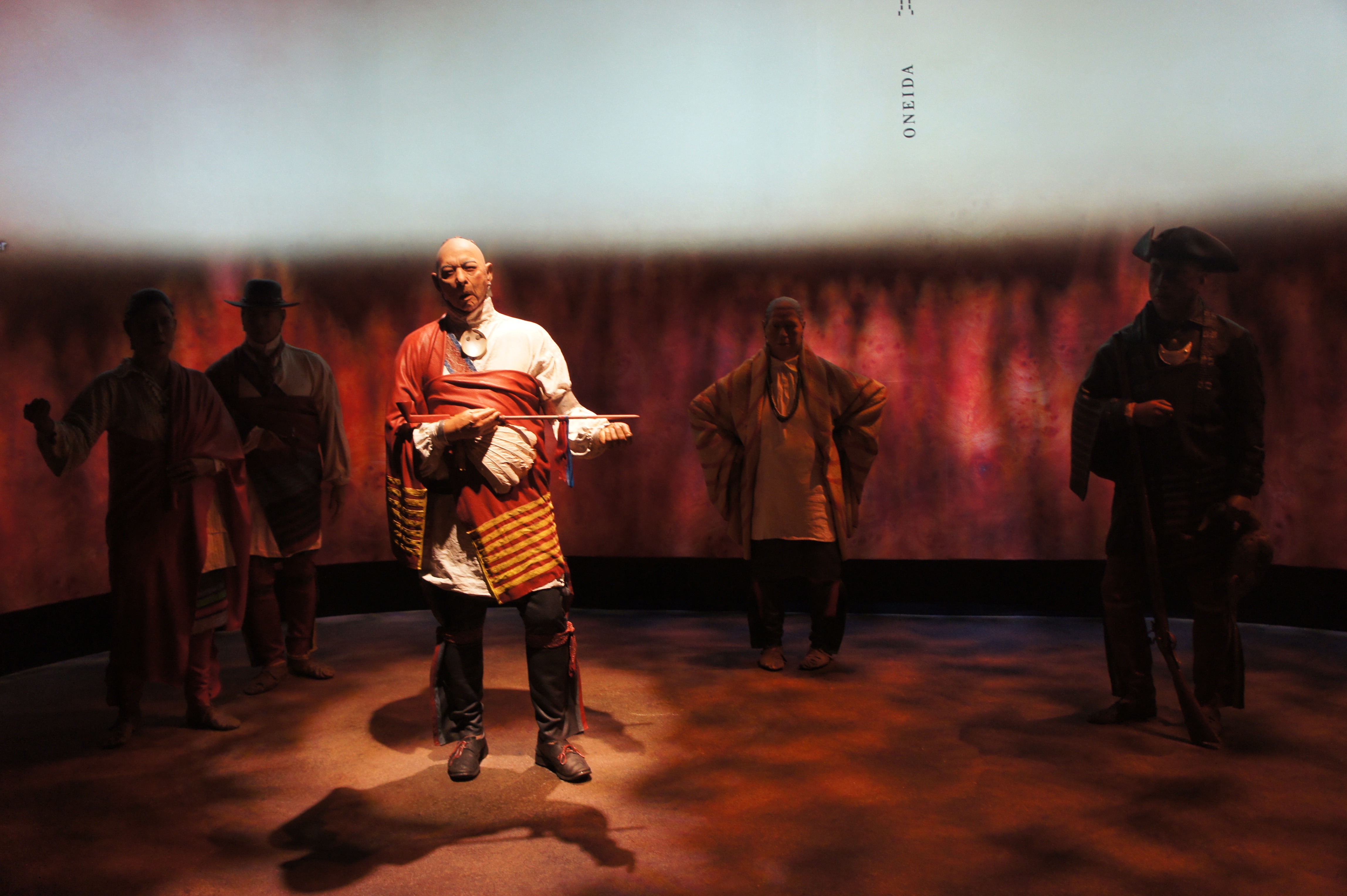
A display in honor of the Oneida and their contribution to the war
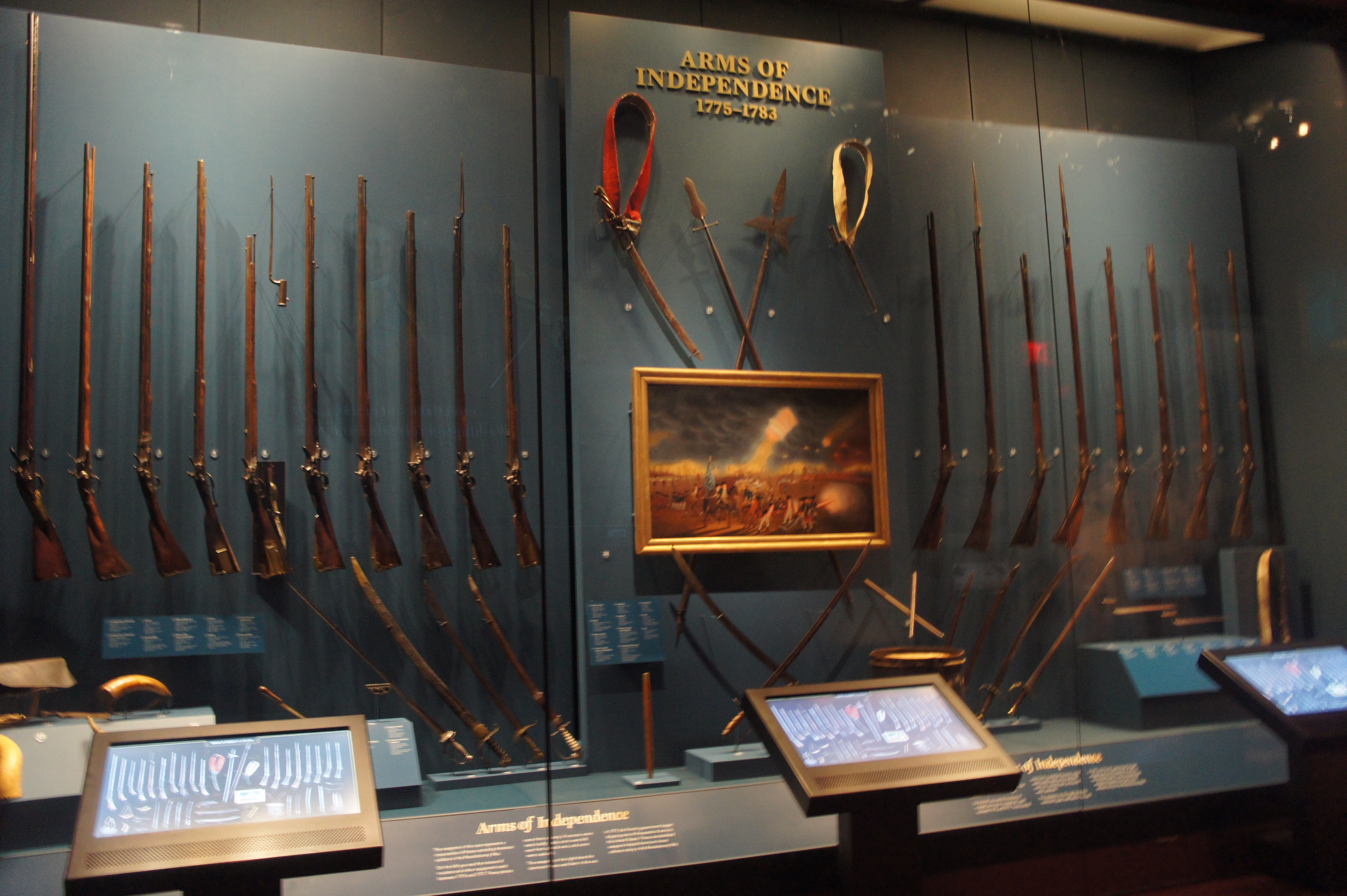
An array of weapons used during the war
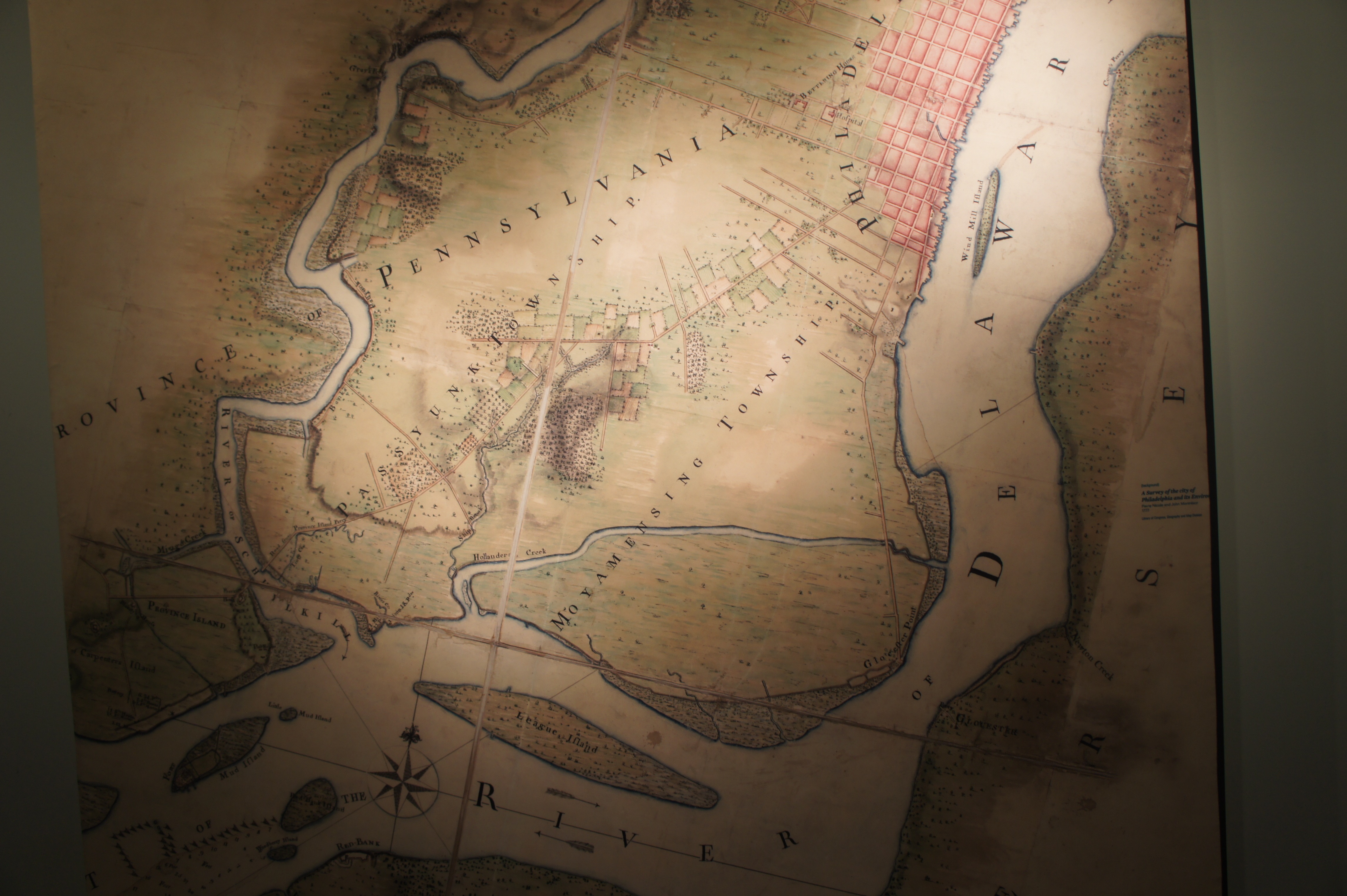
Philadelphia was the biggest city in the colonies at the time of the war
 Miss Healy in Colonial America
This sounds like a great museum for students, too!
LikeLike
Yes! I wish it were closer to New England so it would be an easy stop on the fifth grade trip, or in LA!
LikeLike