Adventures in Savannah

THIS is why I came on this trip. So far, I have had two types of experiences. One where we take guided tours by knowledgable historical experts. As a teacher, this is obviously valuable. I’m learning new facts and details that are simply not included in our text books. Again – this is why I wanted to take this journey. Can one easily google search Noble Jones? Absolutely. But after teaching colonial history for six years, I didn’t know to do that. After this trip, I not only plan to research him in more detail, I walked his estate – Wormsloe Estate – and learned from an expert about the role he played in the Revolution and the founding of Georgia. And now my students will learn about him too.

I have had the type of experience where we immerse ourselves in the cities, to walk the streets, observe the architecture and the citizens – their interactions and ways of life. As an LA girl, born and raised, who has spent very little time anywhere else, the vast cultural differences between Los Angeles and the Southern cities is fascinating. Southern hospitality is real! Everyone we have encountered has been genuinely kind, and gone out of their way to be hospitable and friendly.

And then there’s the land and the visual differences between Los Angeles and the south. Trees, forests, rivers, swamps, marshy swampland. I’ve never really seen land like this before. Houses that include acres and acres of green property and are acres apart from each other. American flags hang from nearly every home. Rocking chairs are commonly positioned on the porches of storefronts and homes. The colonial architecture blends in with the greenery. Without the paved roads and modern cars, the setting could be right out of the 18th century. It’s fun seeing names on signs for roads, highways, and stores with historical significance: Oglethorpe Mall and Fort Caroline Monument.

Today we toured Wormsloe Estates and spent time in the Historic District of Savannah. The sights were stunning. The entrance to the Wormsloe Estate itself is one I will never forget. Walking the streets of historic Savannah was beautiful as well. There’s something about the combination between the old and the new that is quite a sight to behold. We enjoyed the afternoon in Forsythe Park. Tonight we drove two hours to Charleston, where we will spend two days. Stay tuned! Thanks for reading!
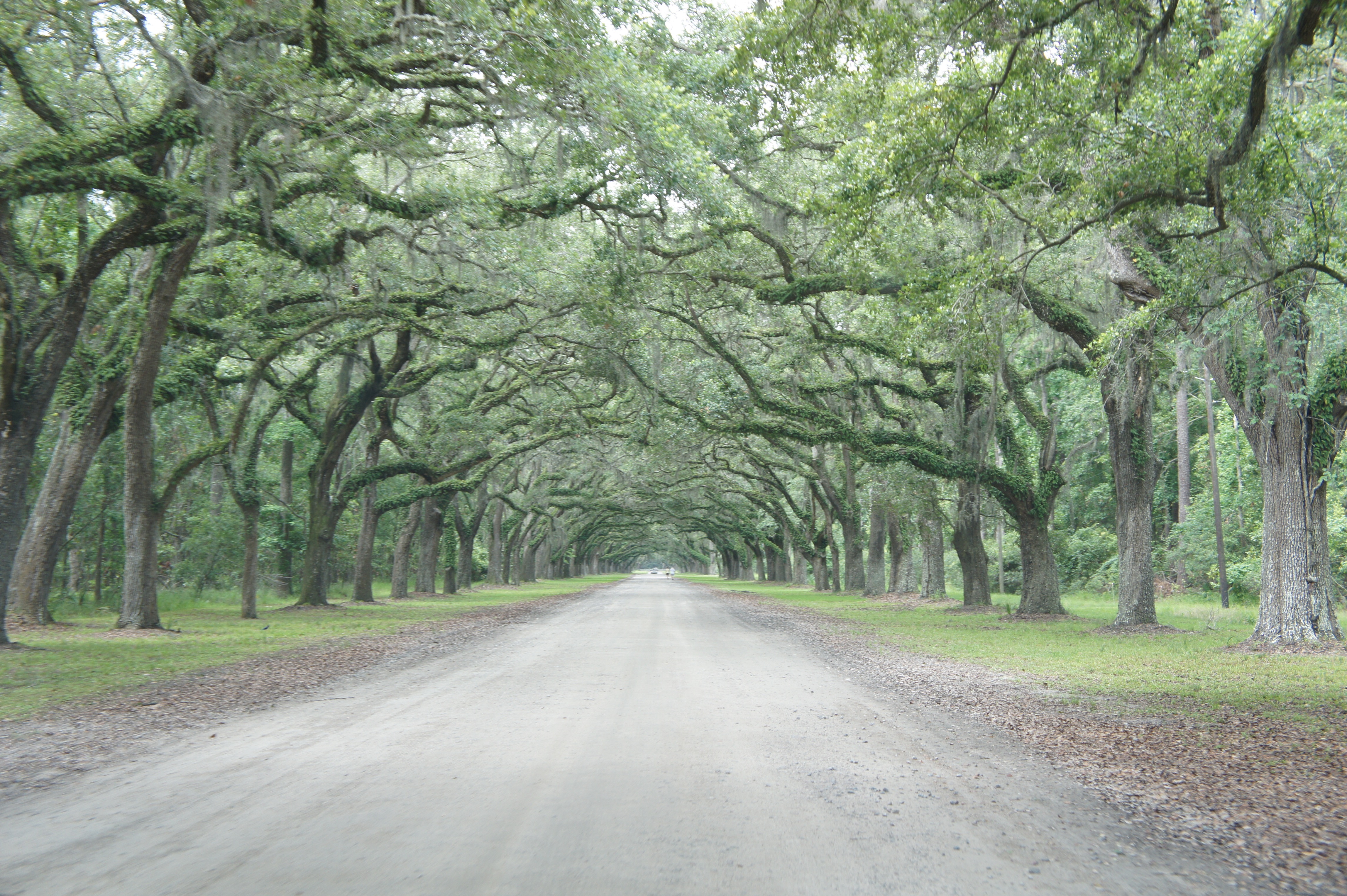
Viewing the beautiful entrance at Wormsloe Estate
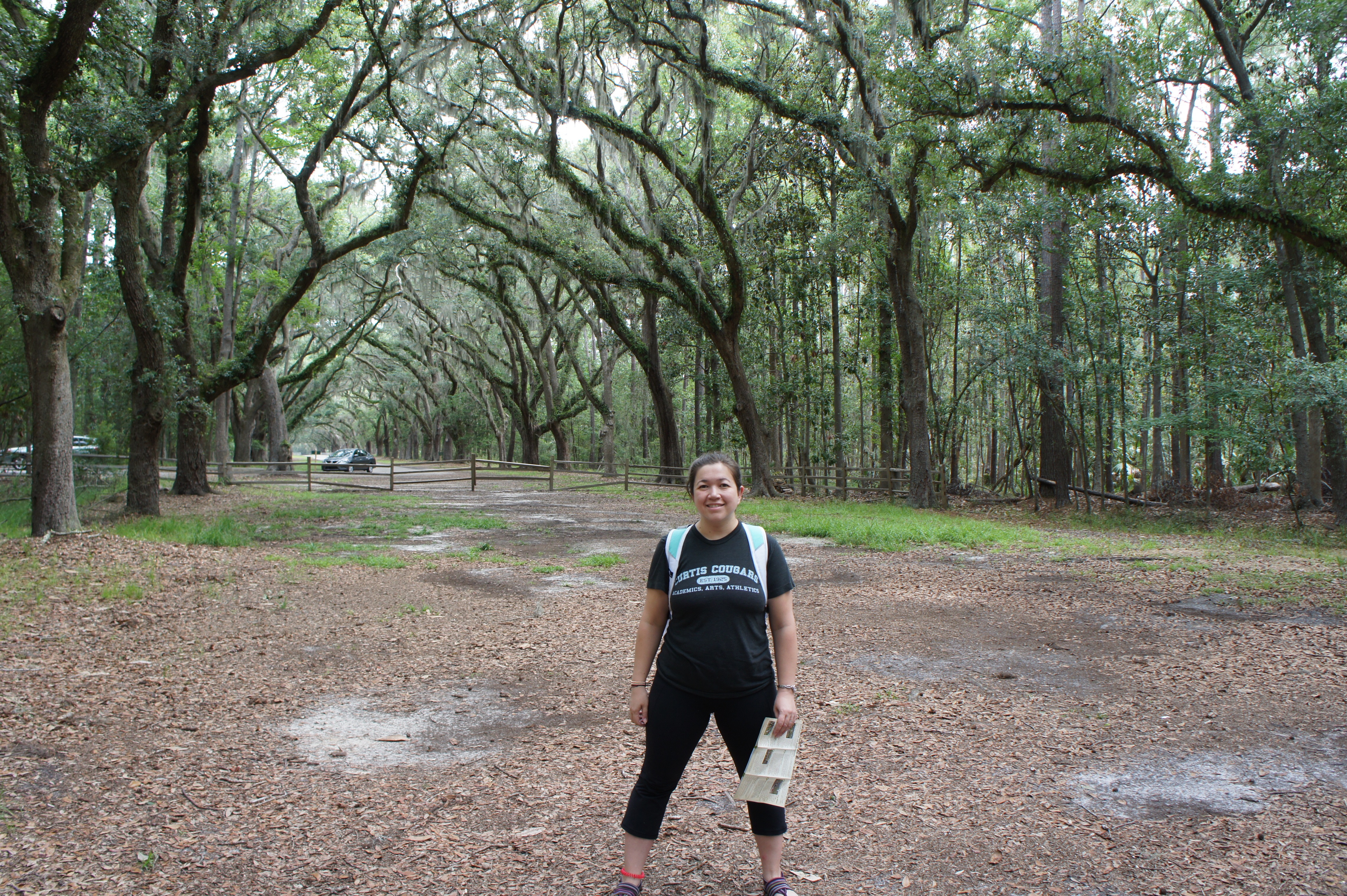
Viewing the beautiful entrance at Wormsloe Estate
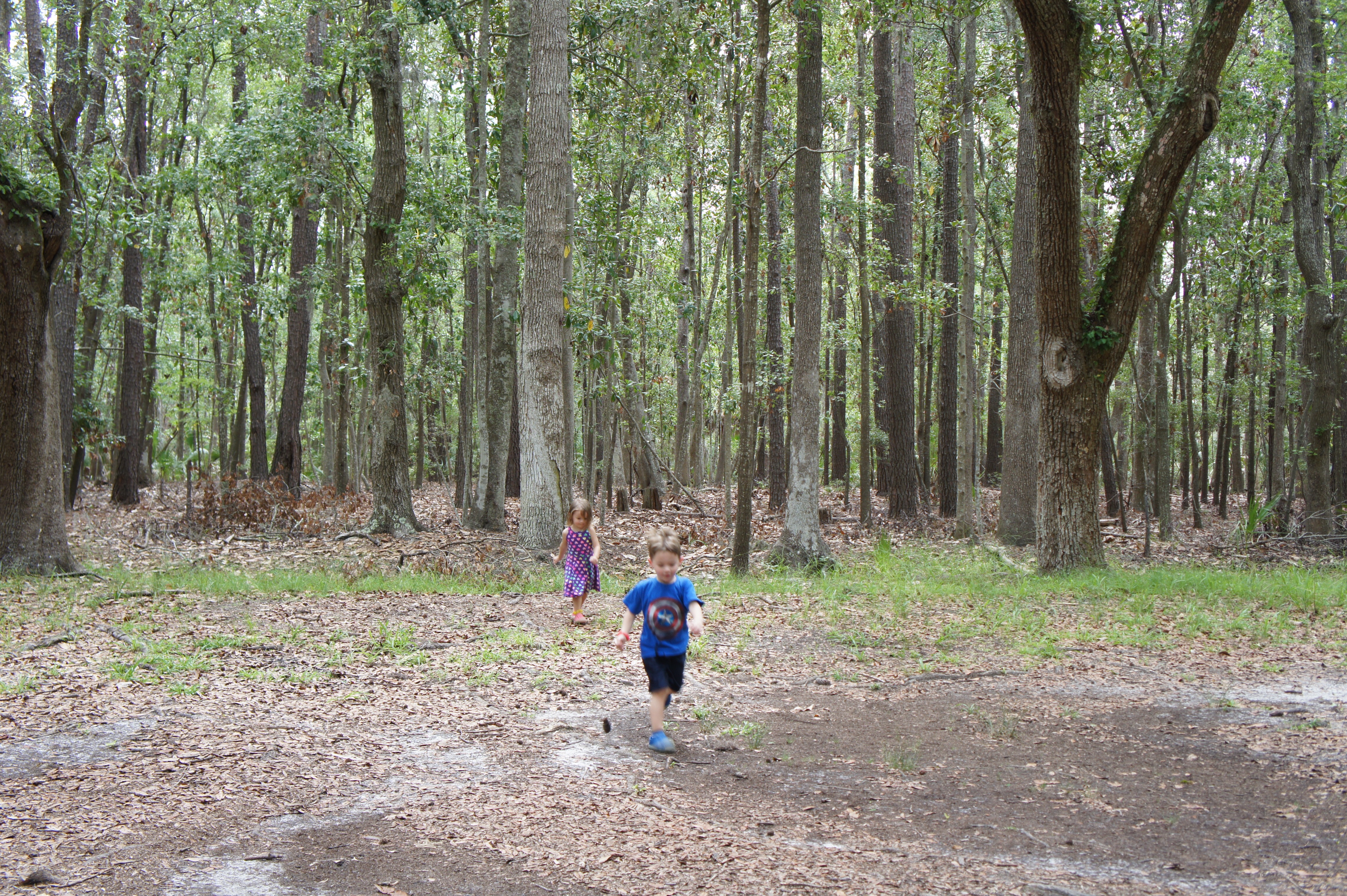
Running through the woods at Wormsloe Estate!
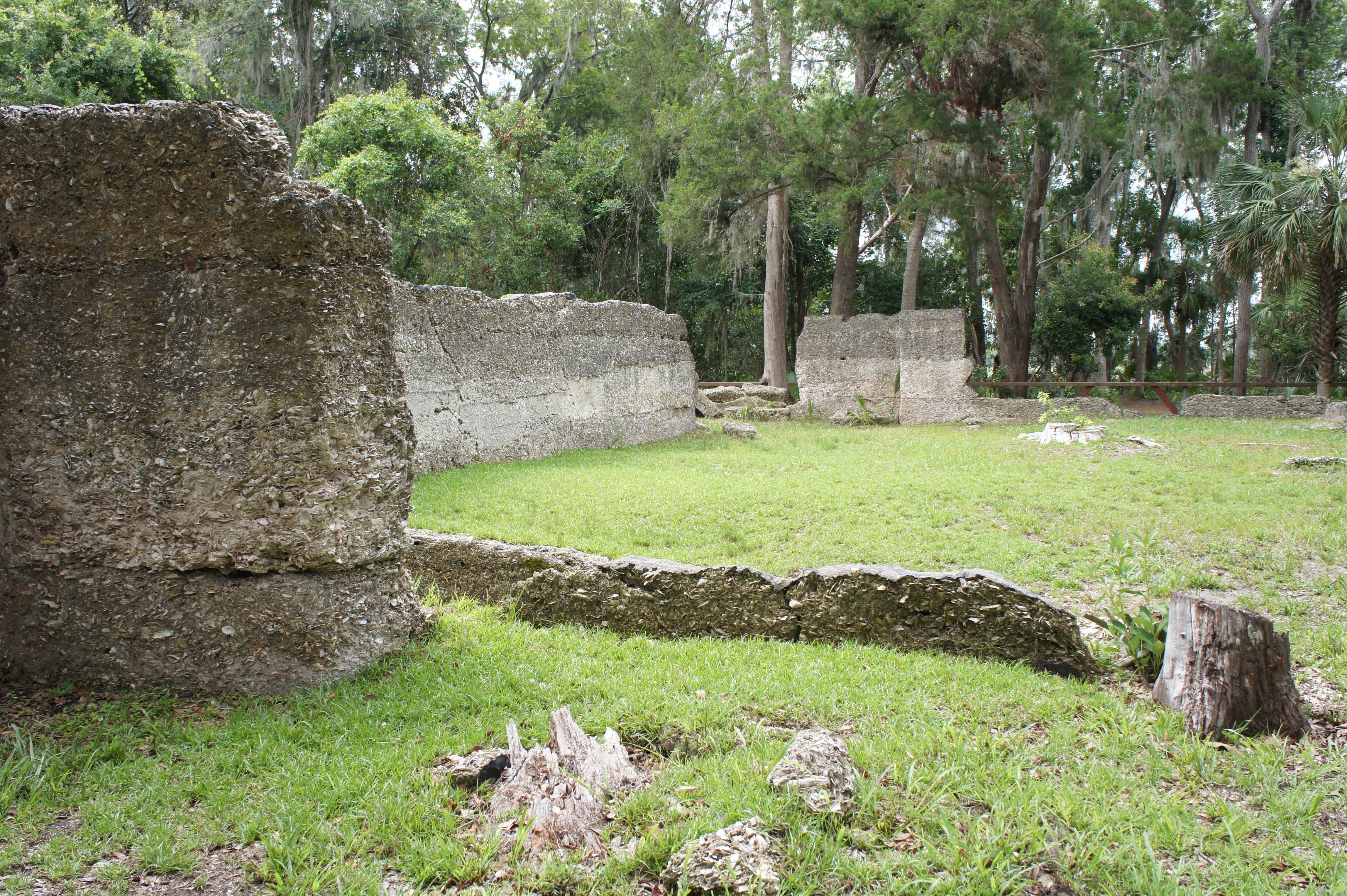
The former home of Noble Jones
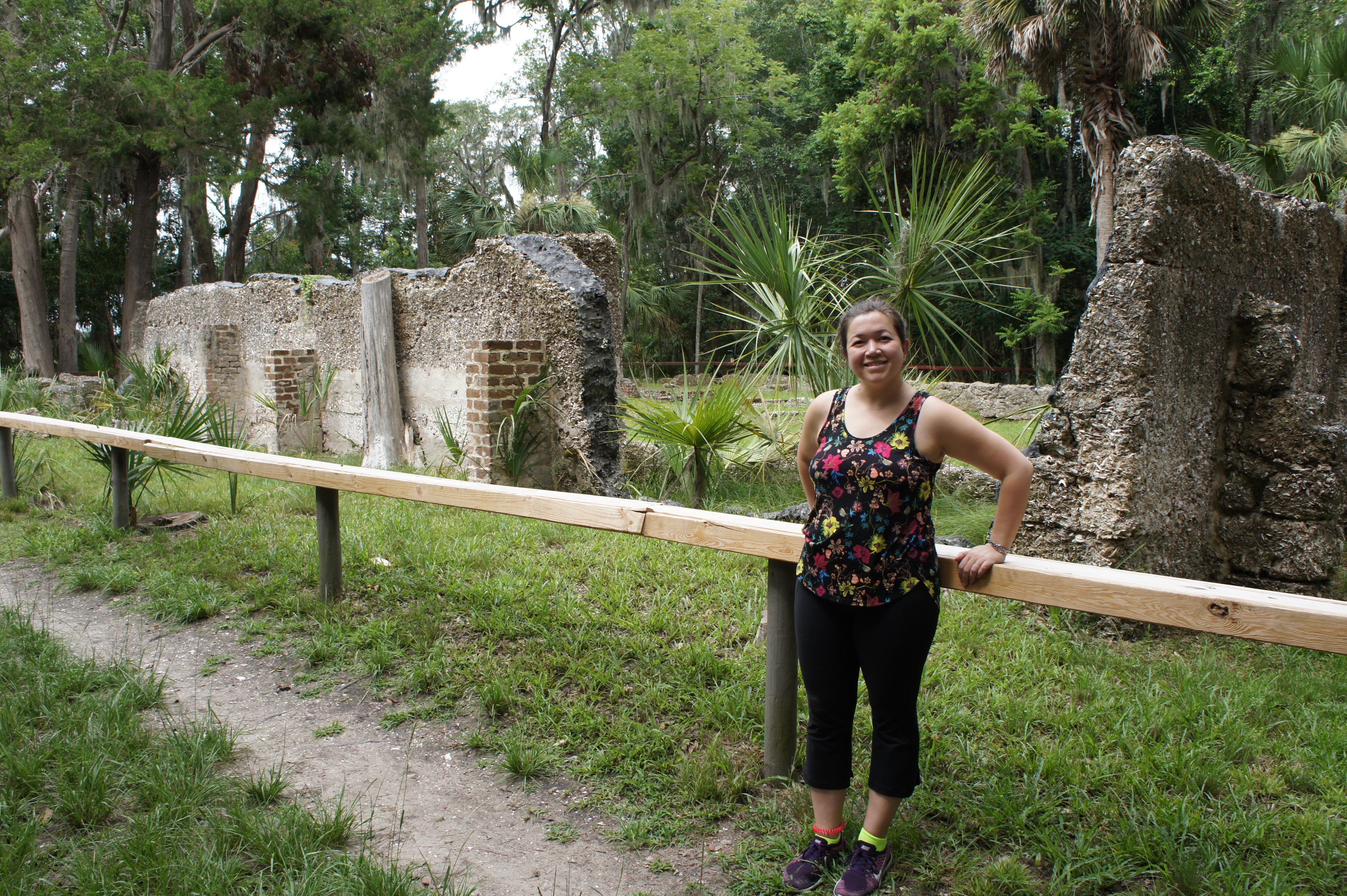
The former home of Noble Jones
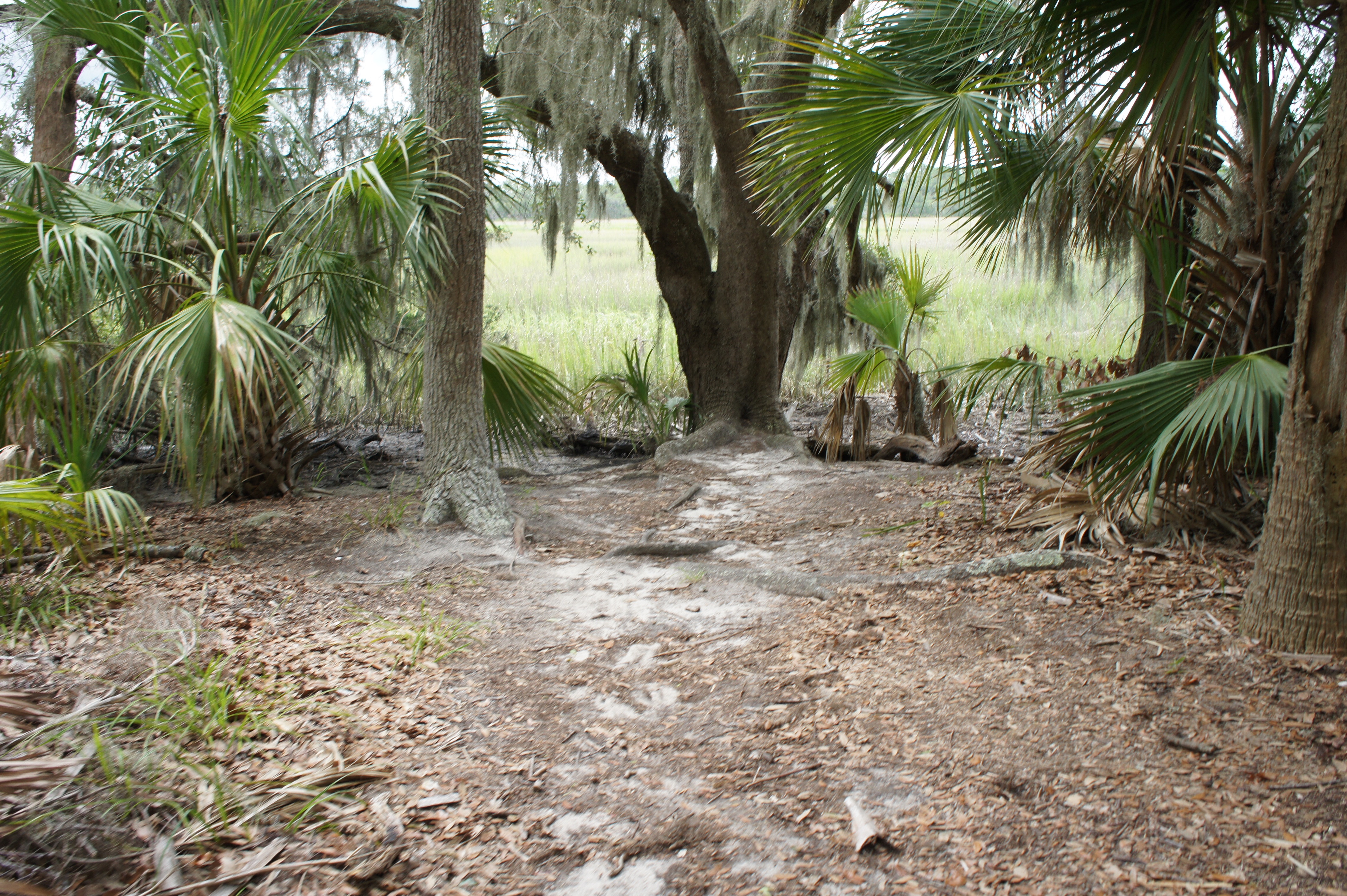
Touring the grounds at the Wormsloe Estate

Touring the grounds at the Wormsloe Estate
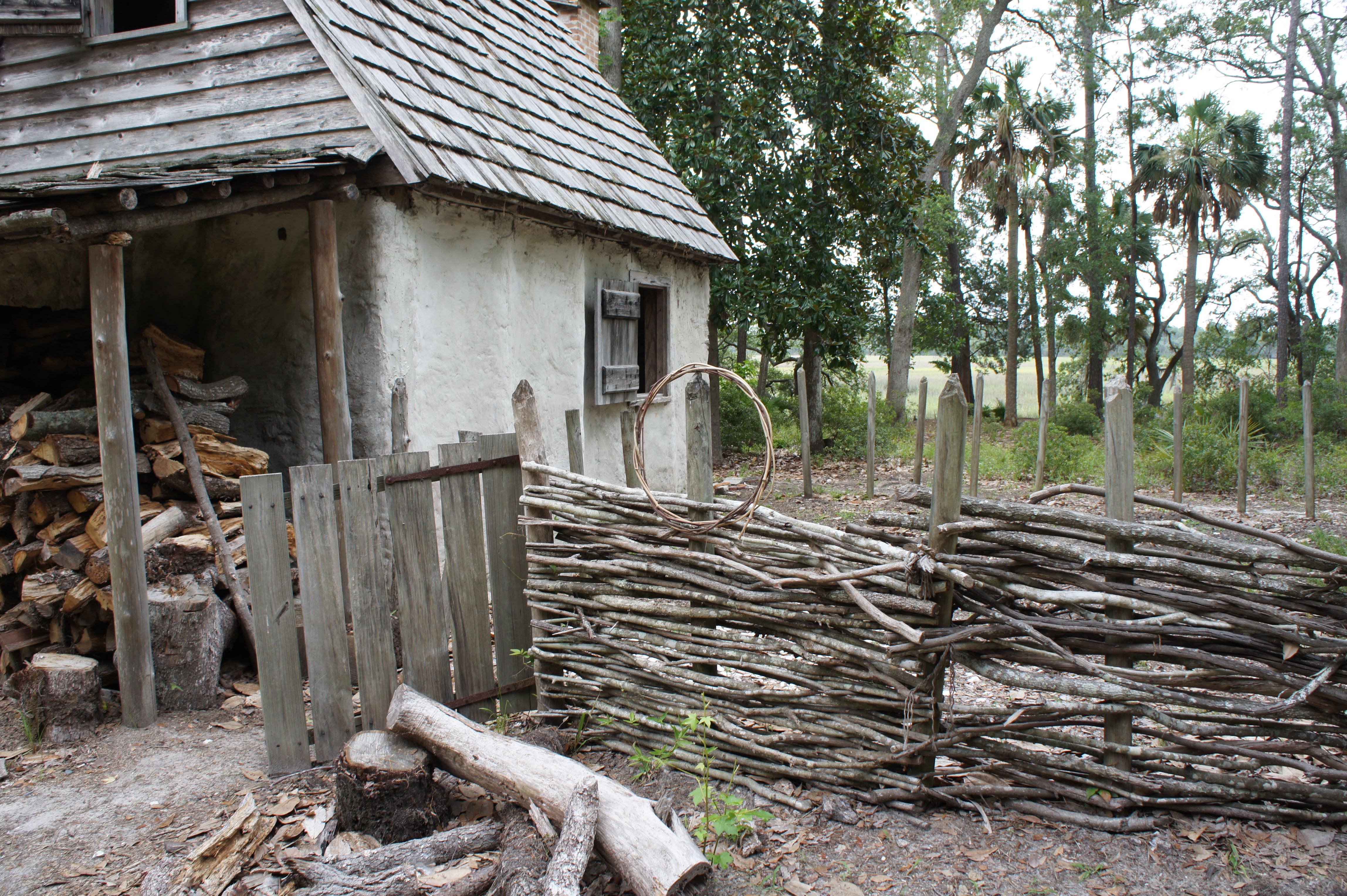
A house that an ordinary colonist would call home
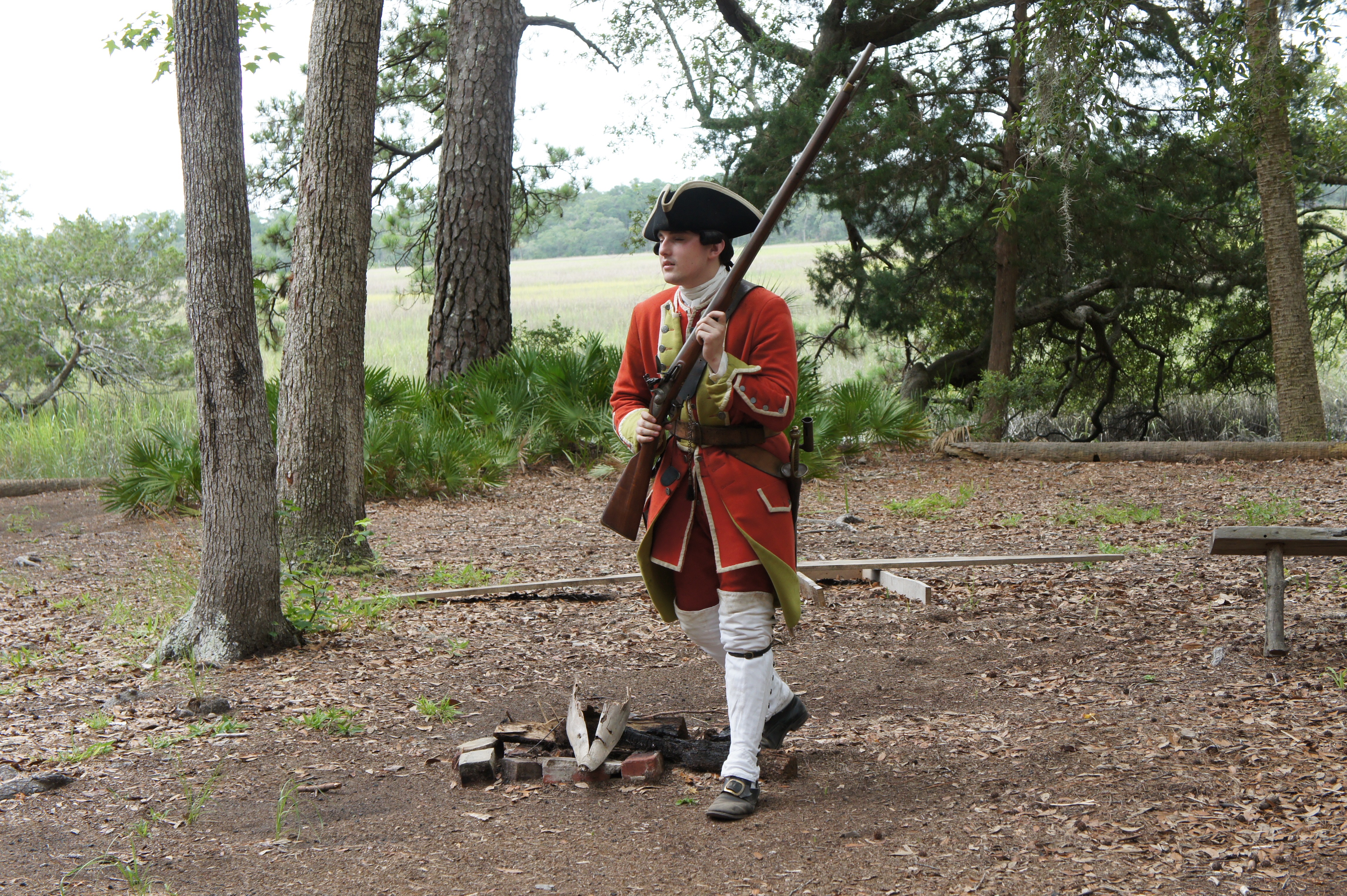
A British soldier giving a musket demonstration
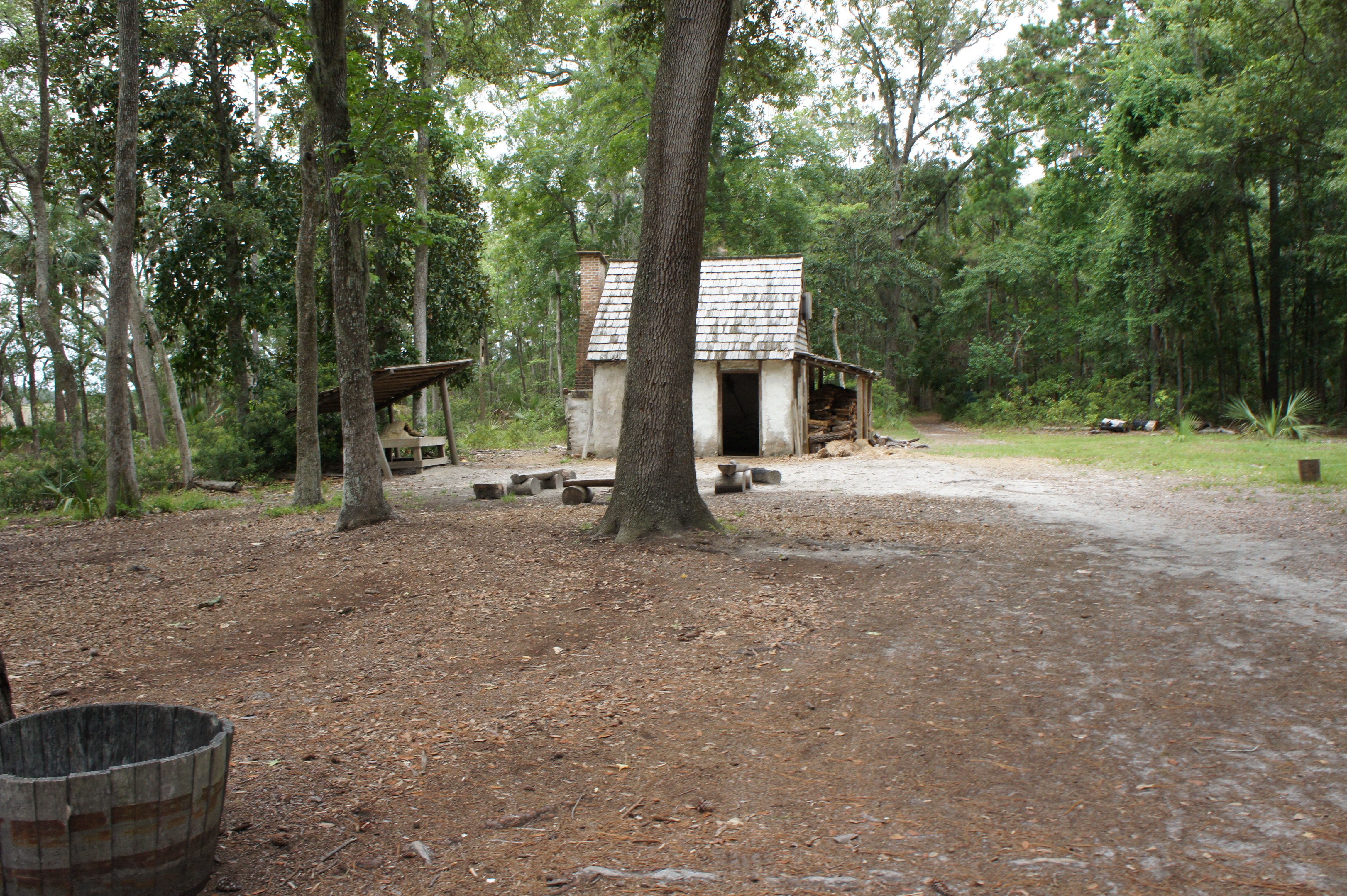
A house that an ordinary colonist would call home
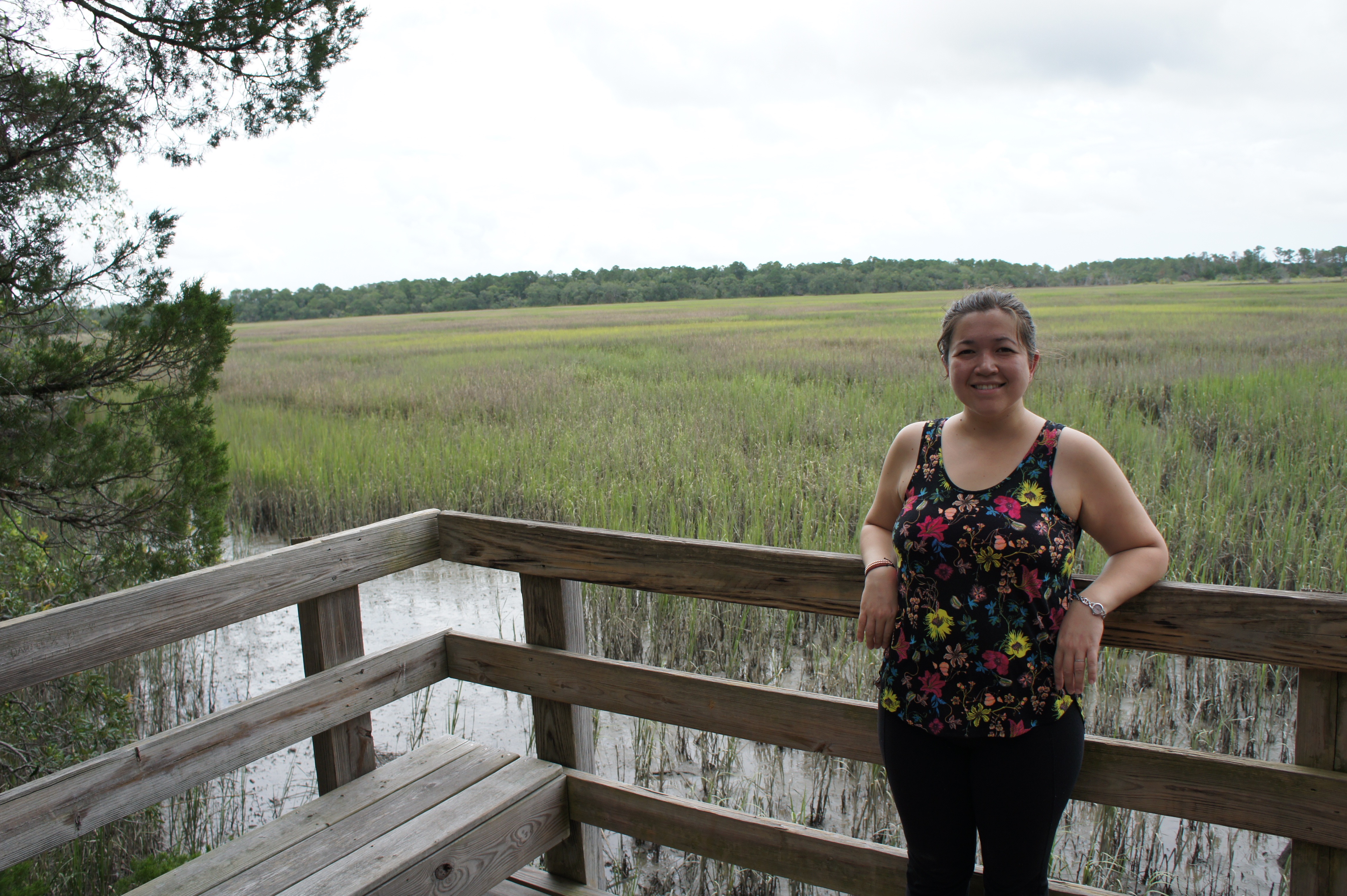
Swampland at the Wormsloe Estate
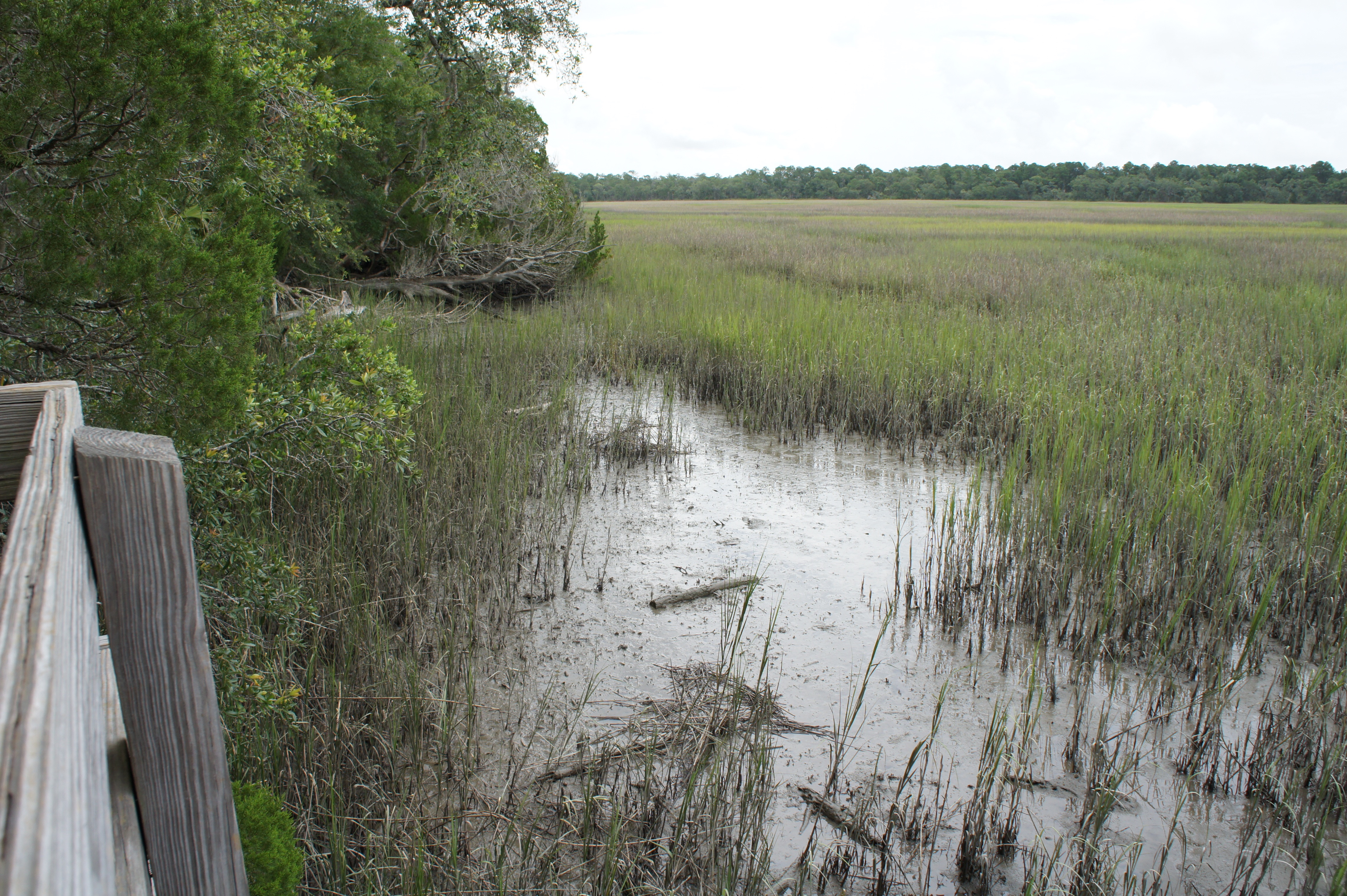
Swampland at the Wormsloe Estate
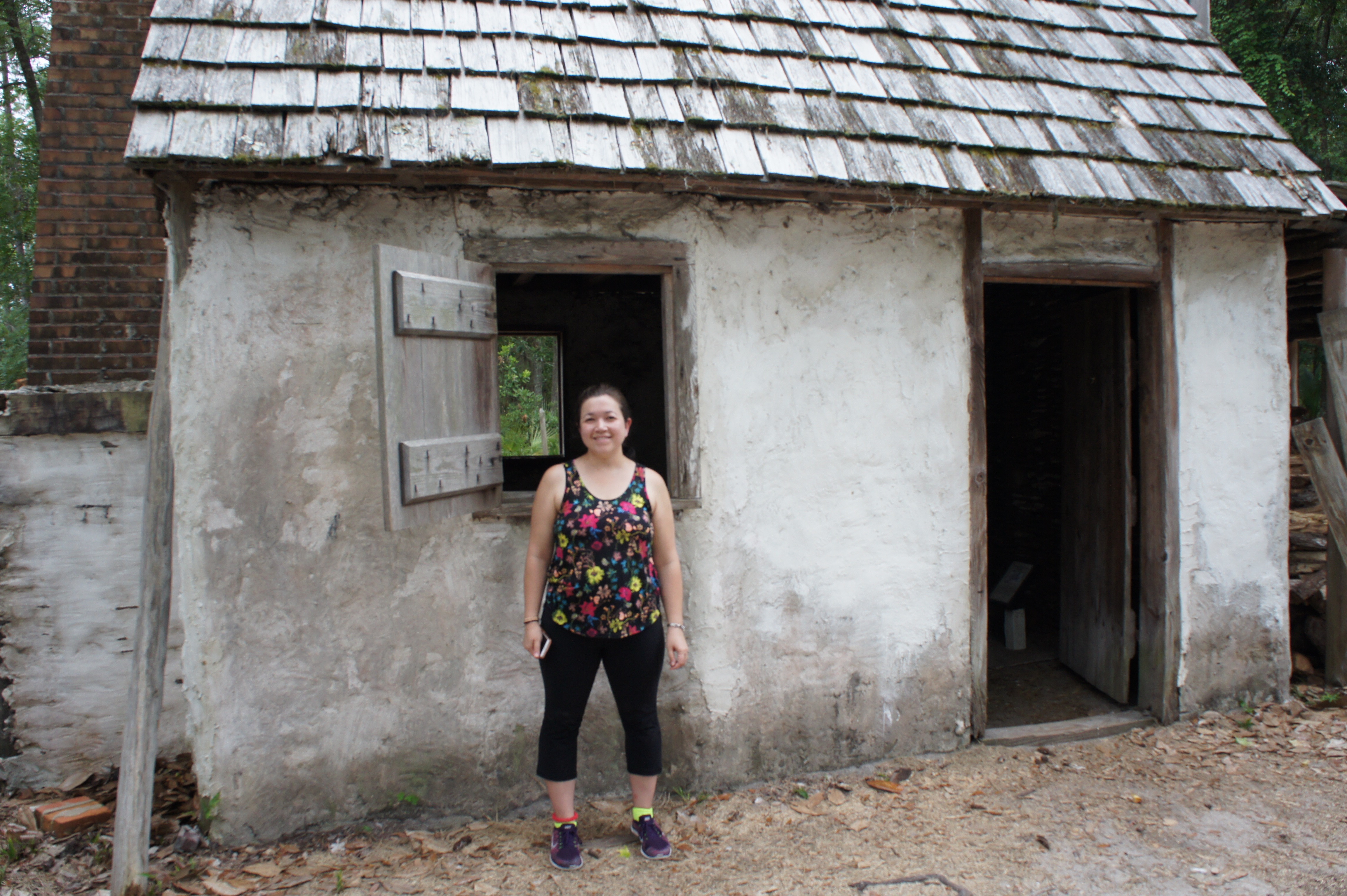
A house that an ordinary colonist would call home. The only difference between the colonial regions is the wood and resources used to make the houses.
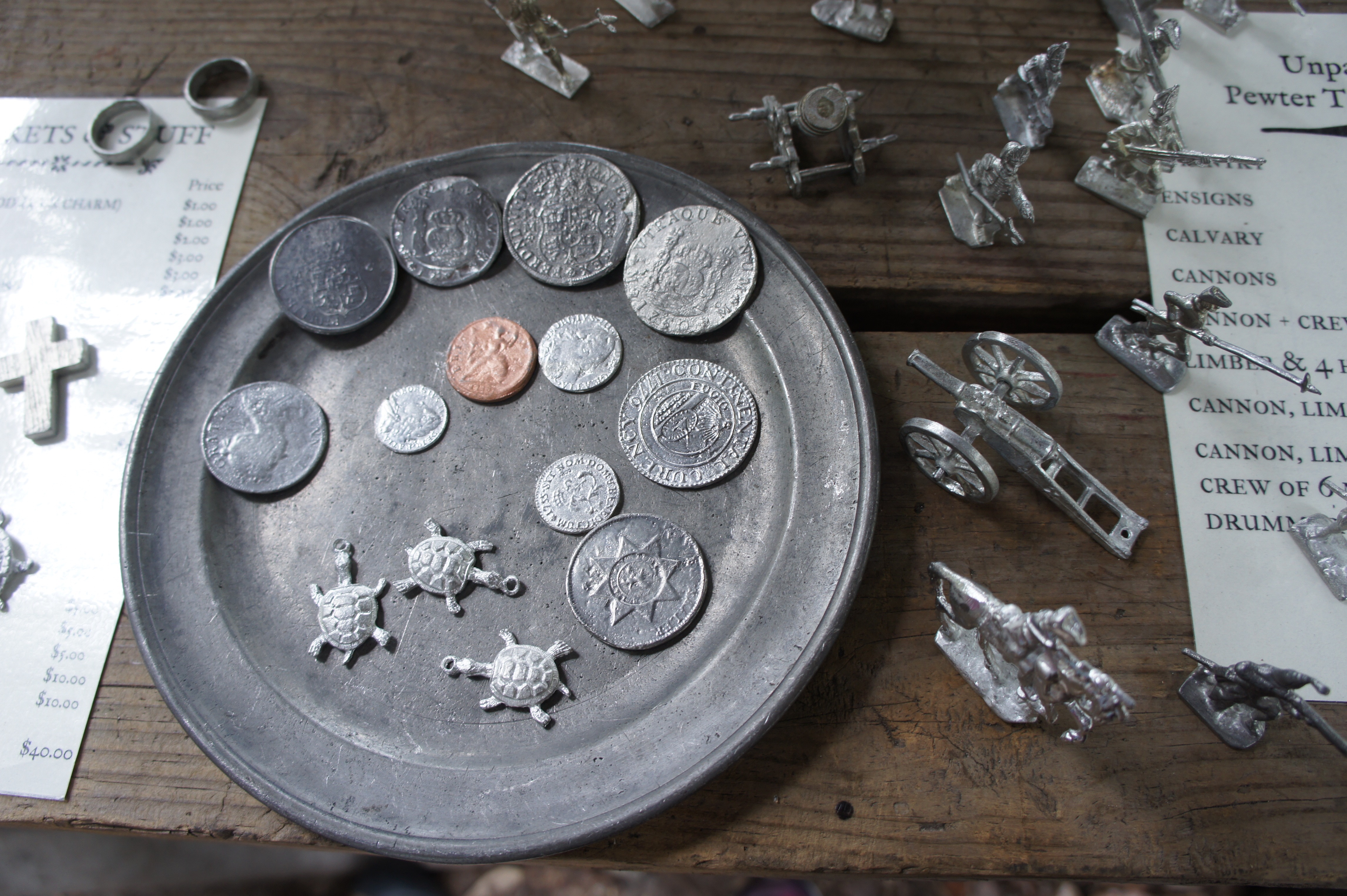
Works of the pewtersmith at Wormsloe Estate

Works of the pewtersmith at Wormsloe Estate
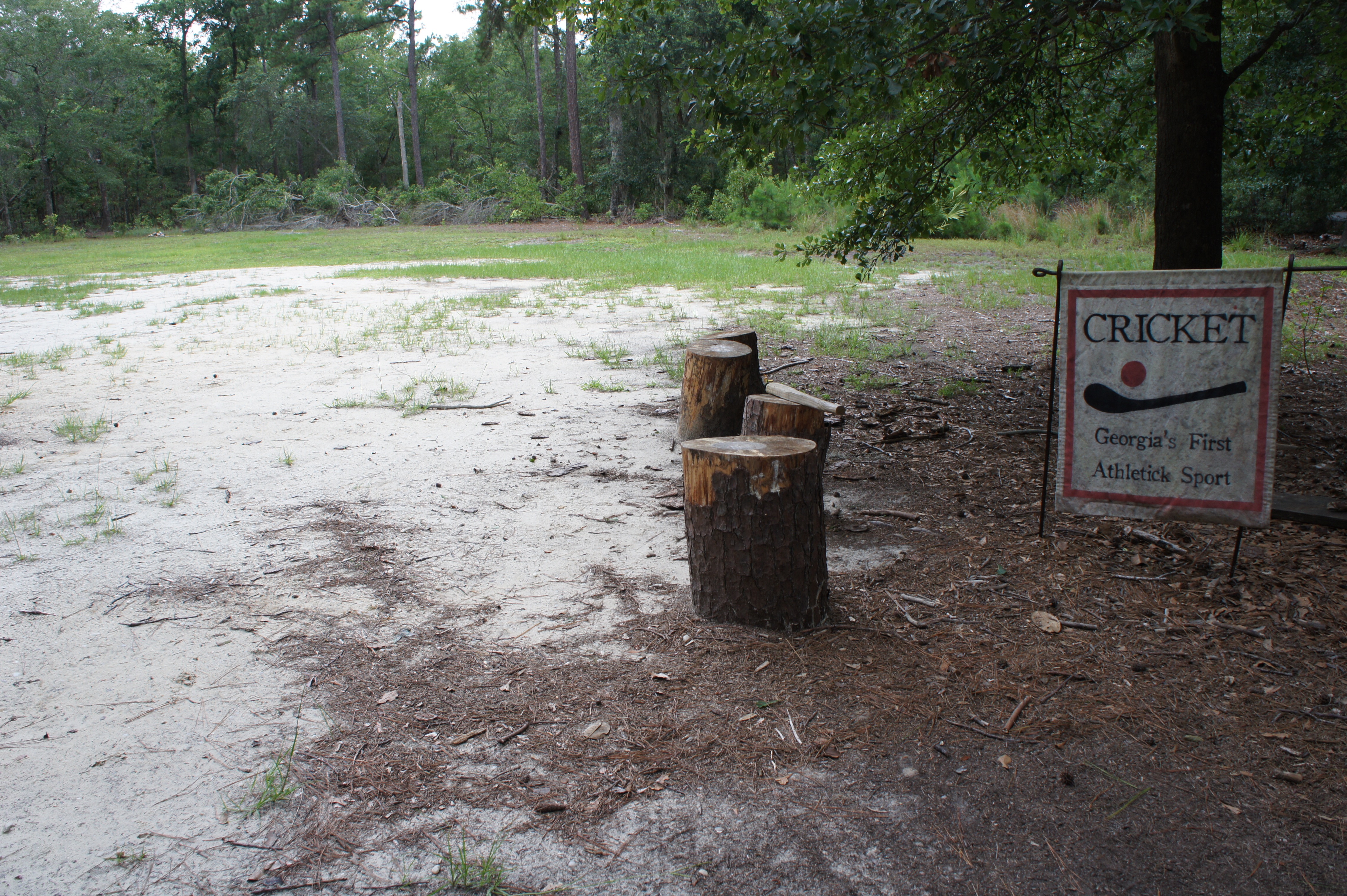
A cricket field at Wormsloe Estate
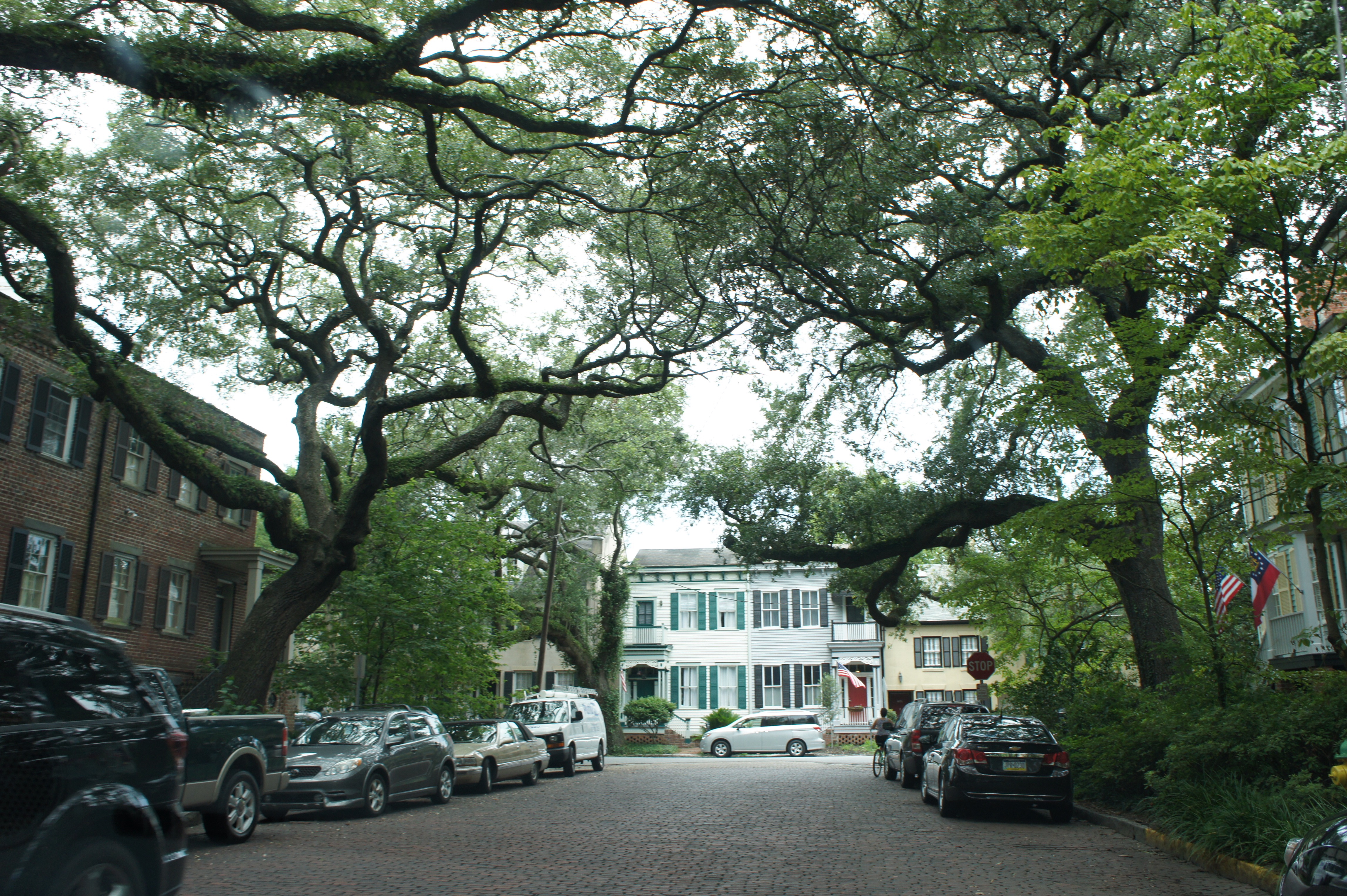
The streets of Historic Savannah
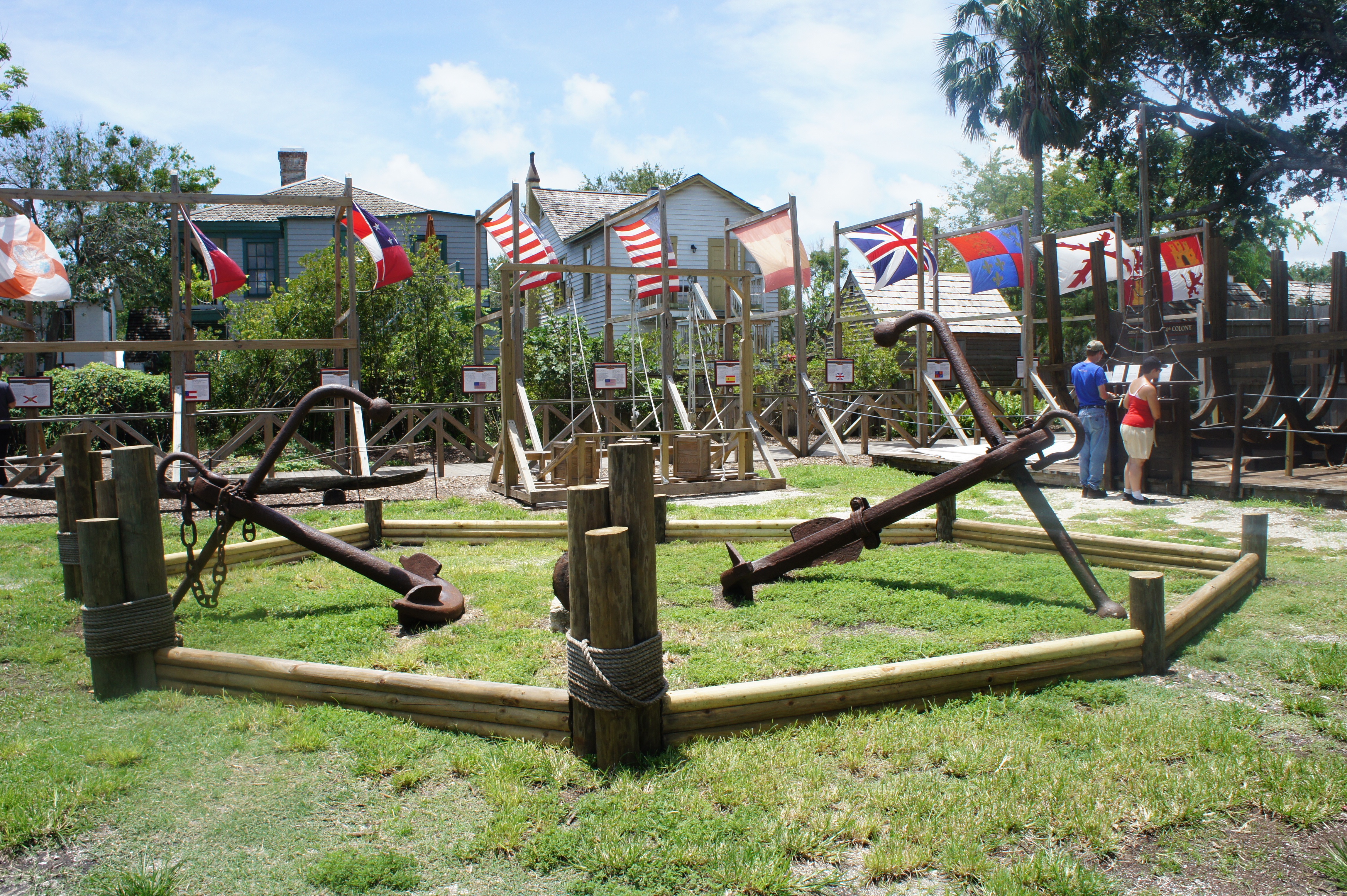
St. Augustine – Fort and Colonial Quarters

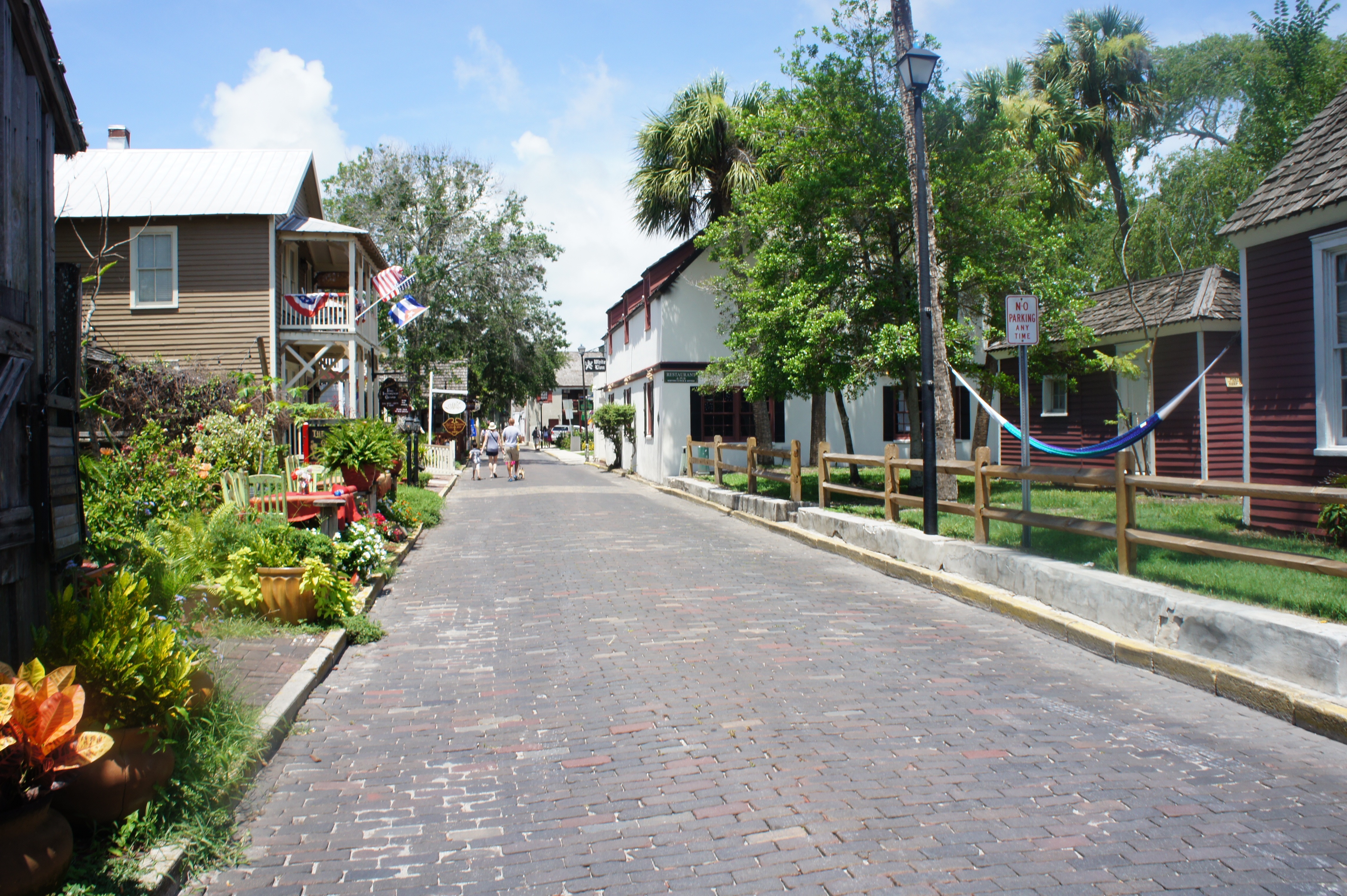
Visiting the Colonial Quarter in Historic St. Augustine.

Visiting the Colonial Quarter in Historic St. Augustine.

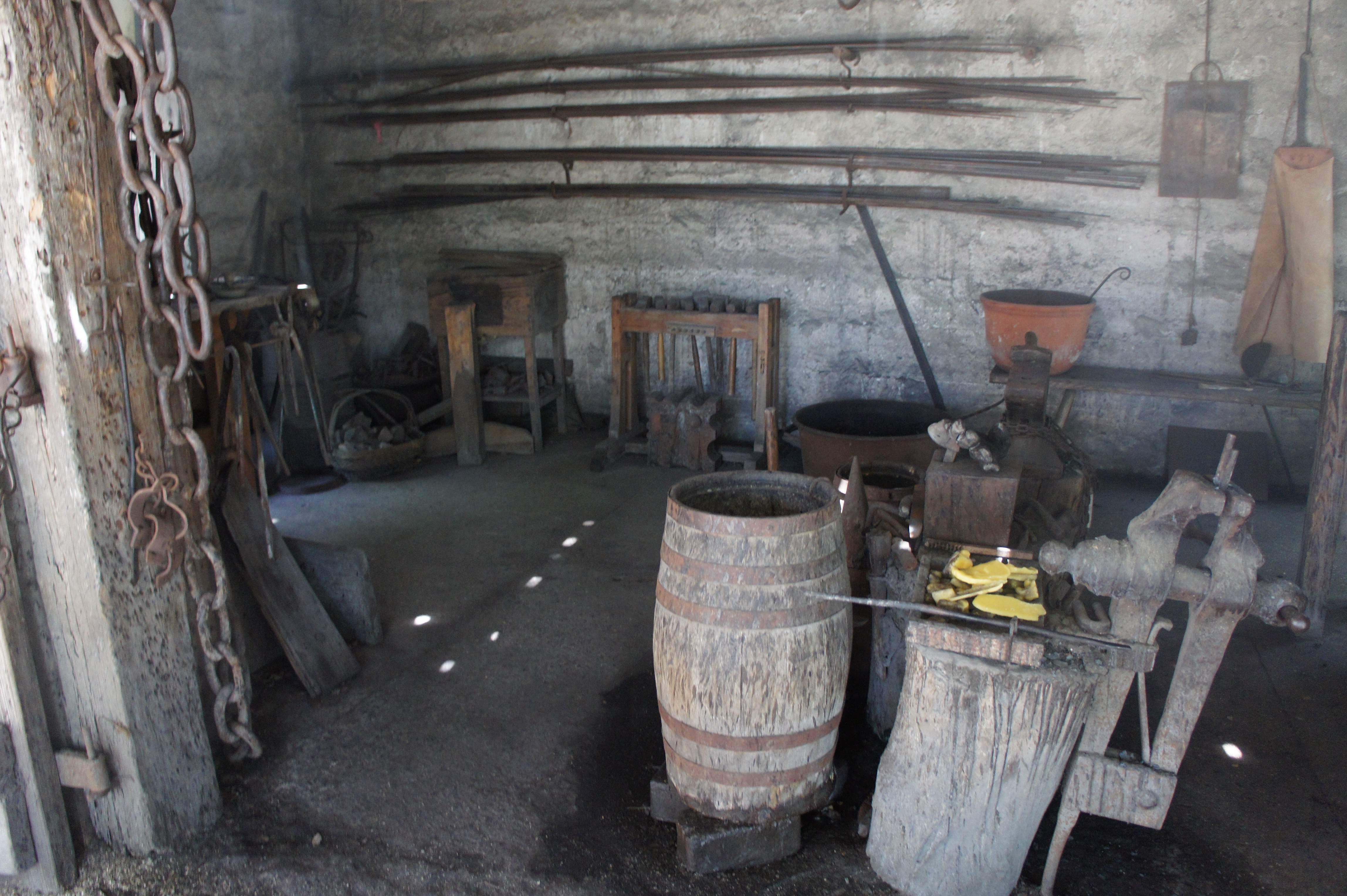
The blacksmith’s shop in the Colonial Quarter at St. Augustine.

The blacksmith’s shop in the Colonial Quarter at St. Augustine.

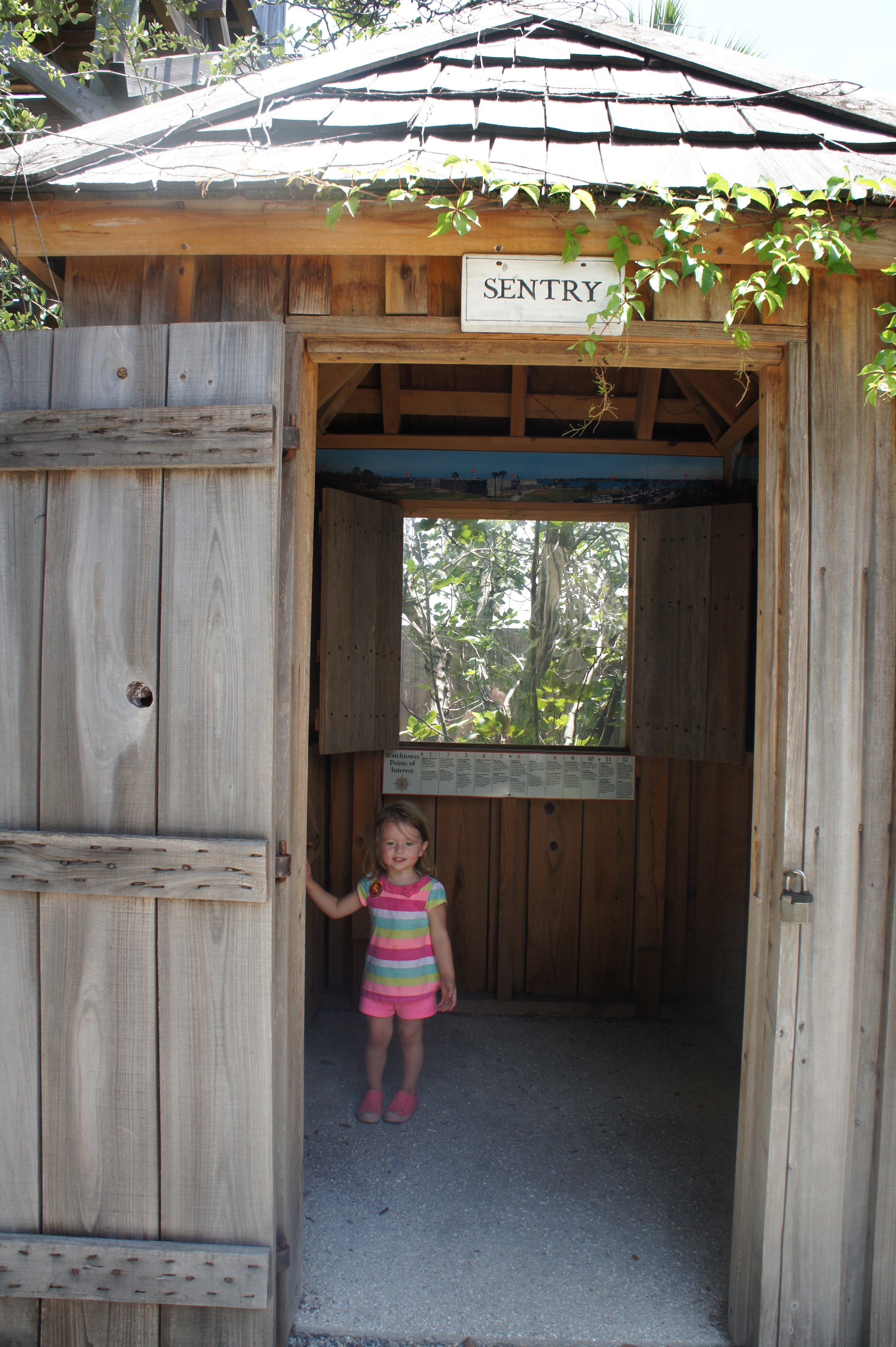
The most adorable sentry in the Colonial Quarter!

The quaint colonial town in St. Augustine.

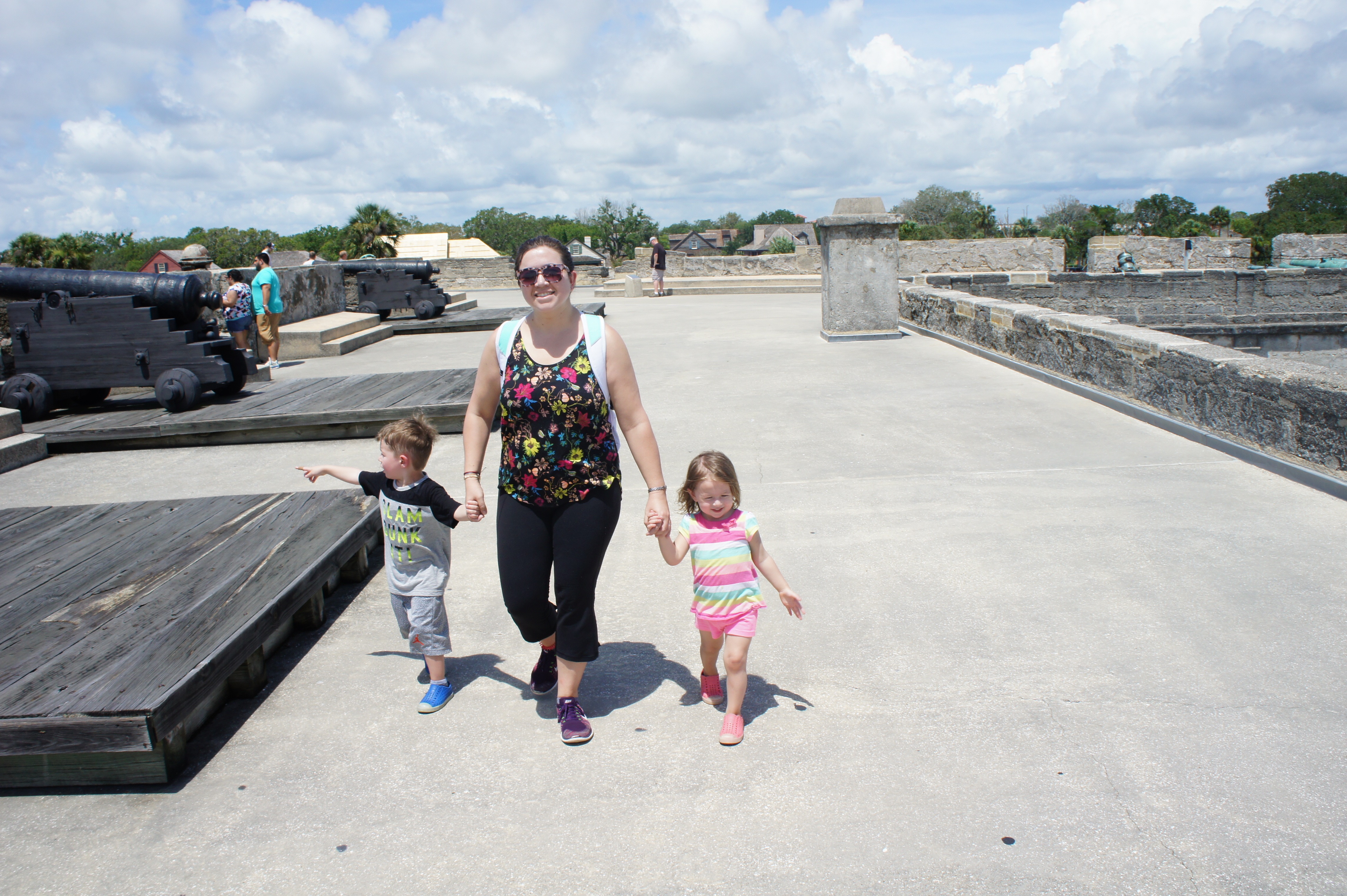
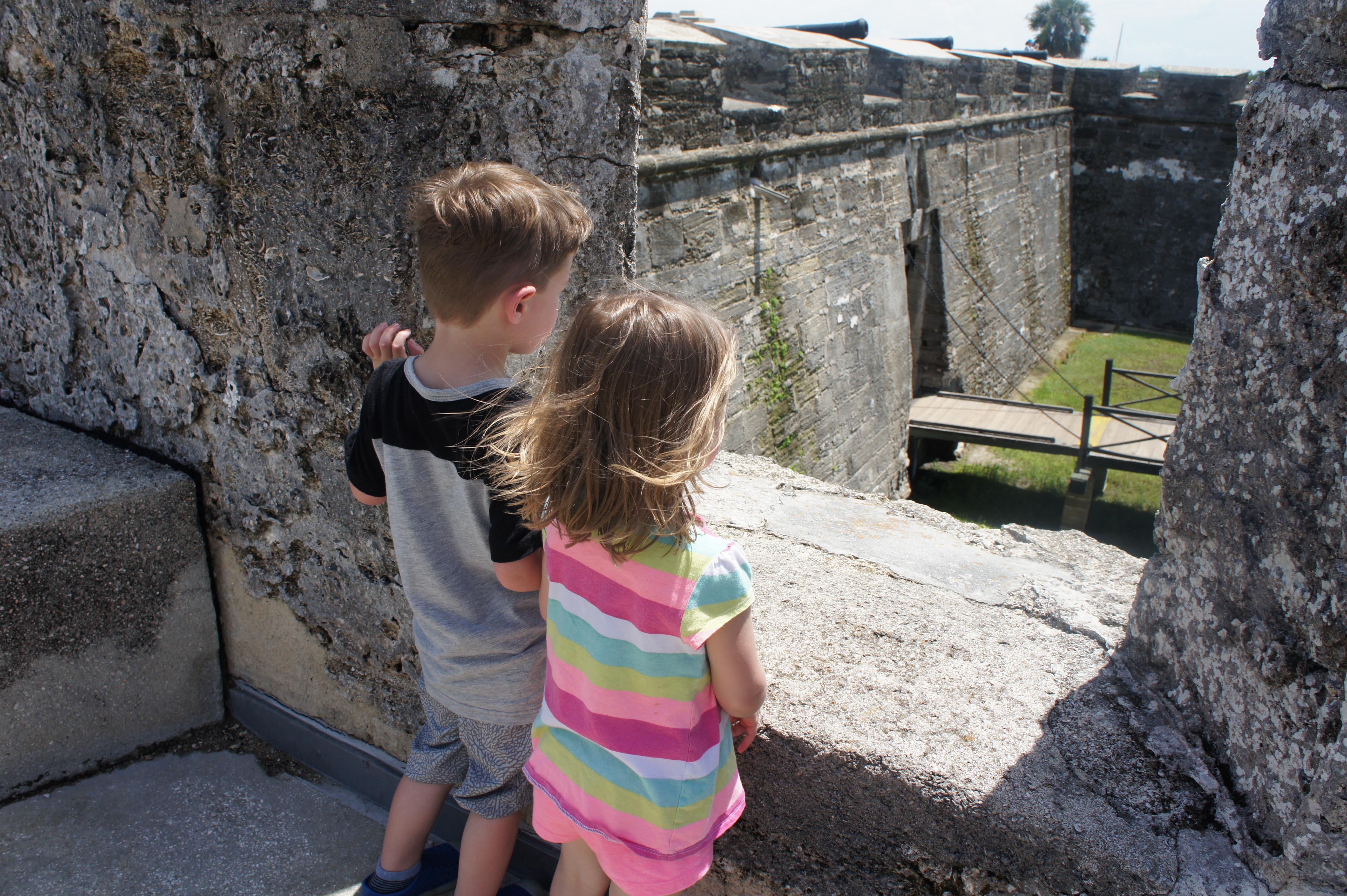
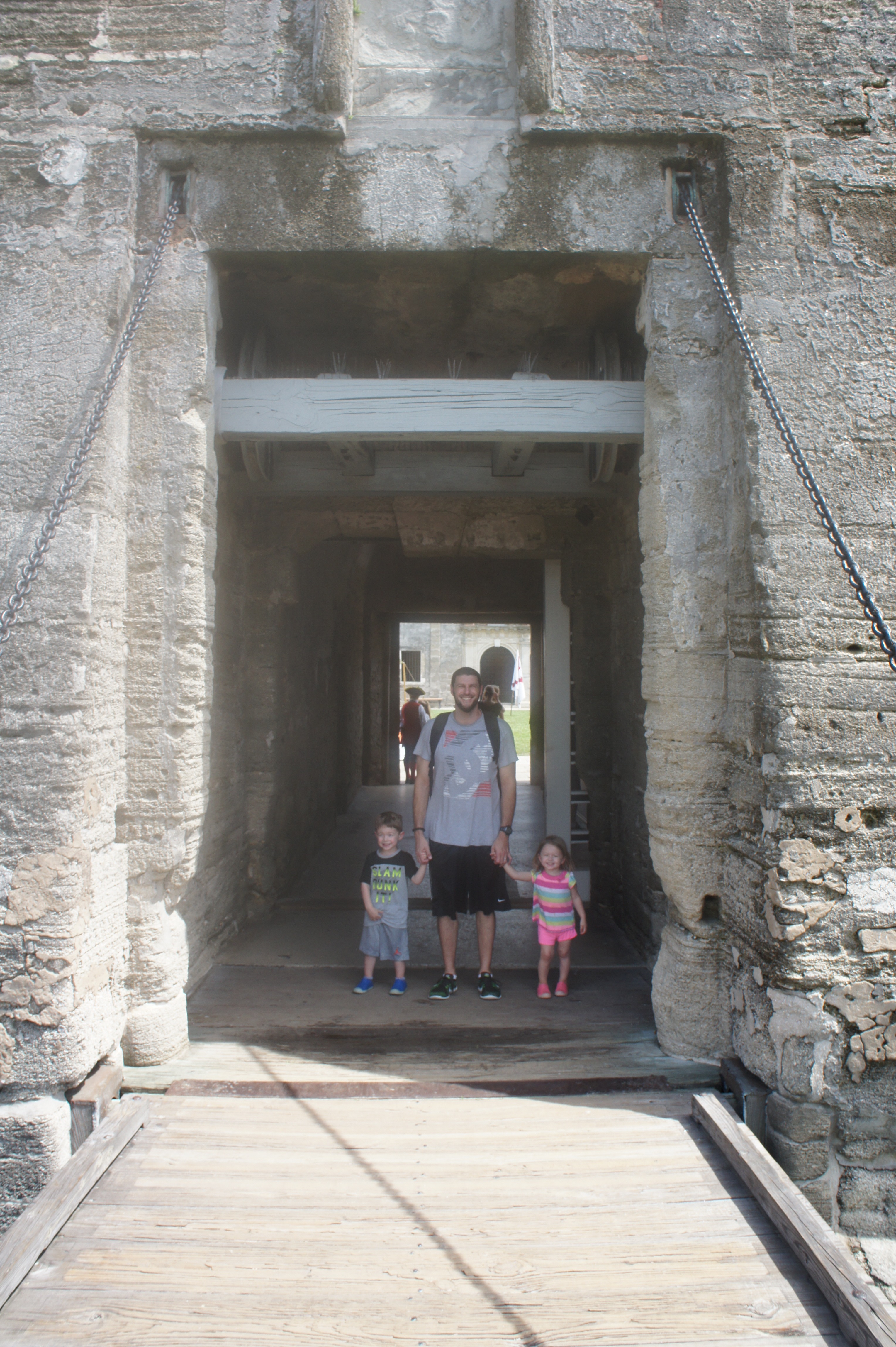
Touring the Old Fort aka Castillo de San Marcos in St. Augustine.

Touring the Old Fort aka Castillo de San Marcos in St. Augustine.

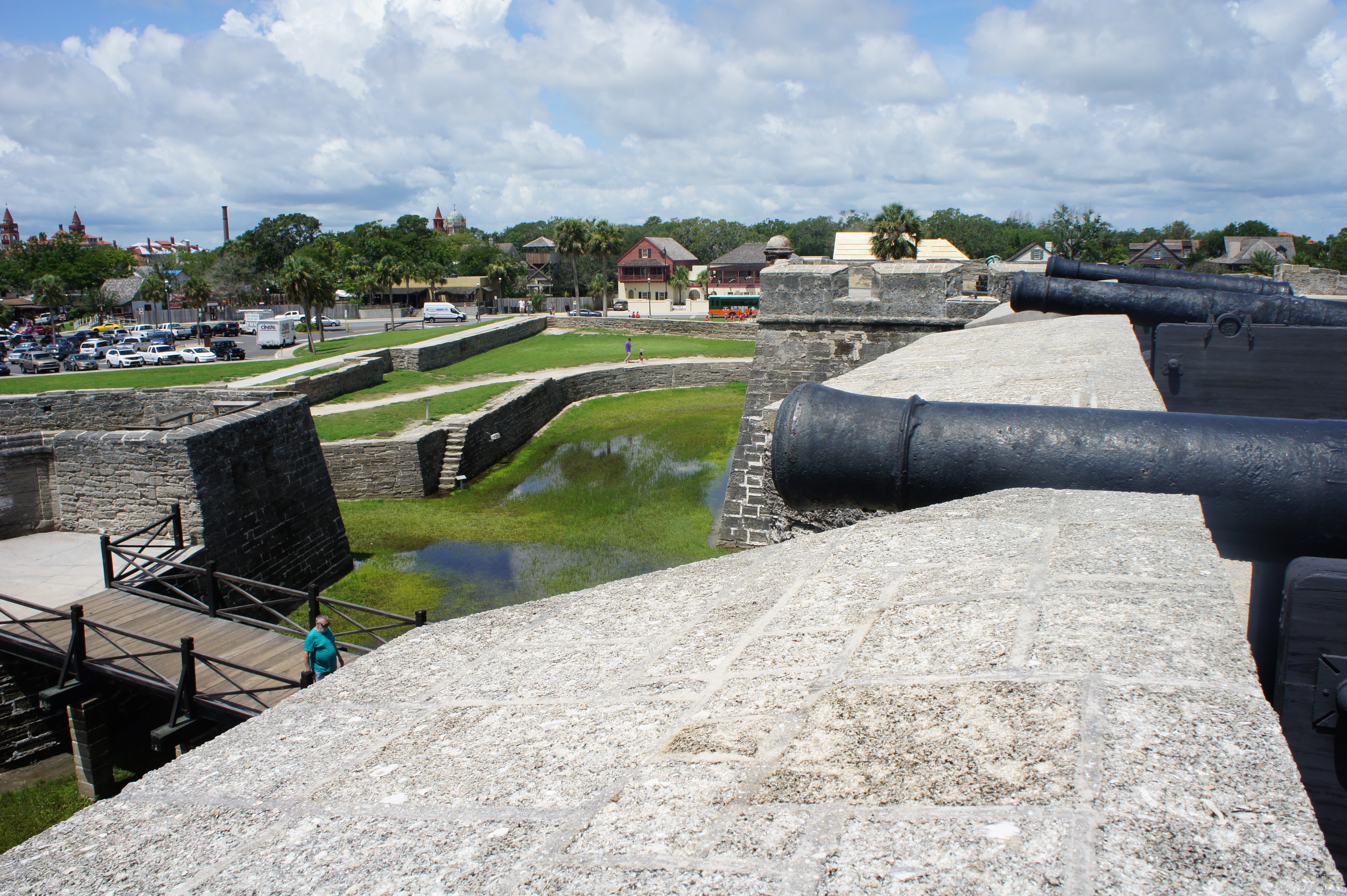
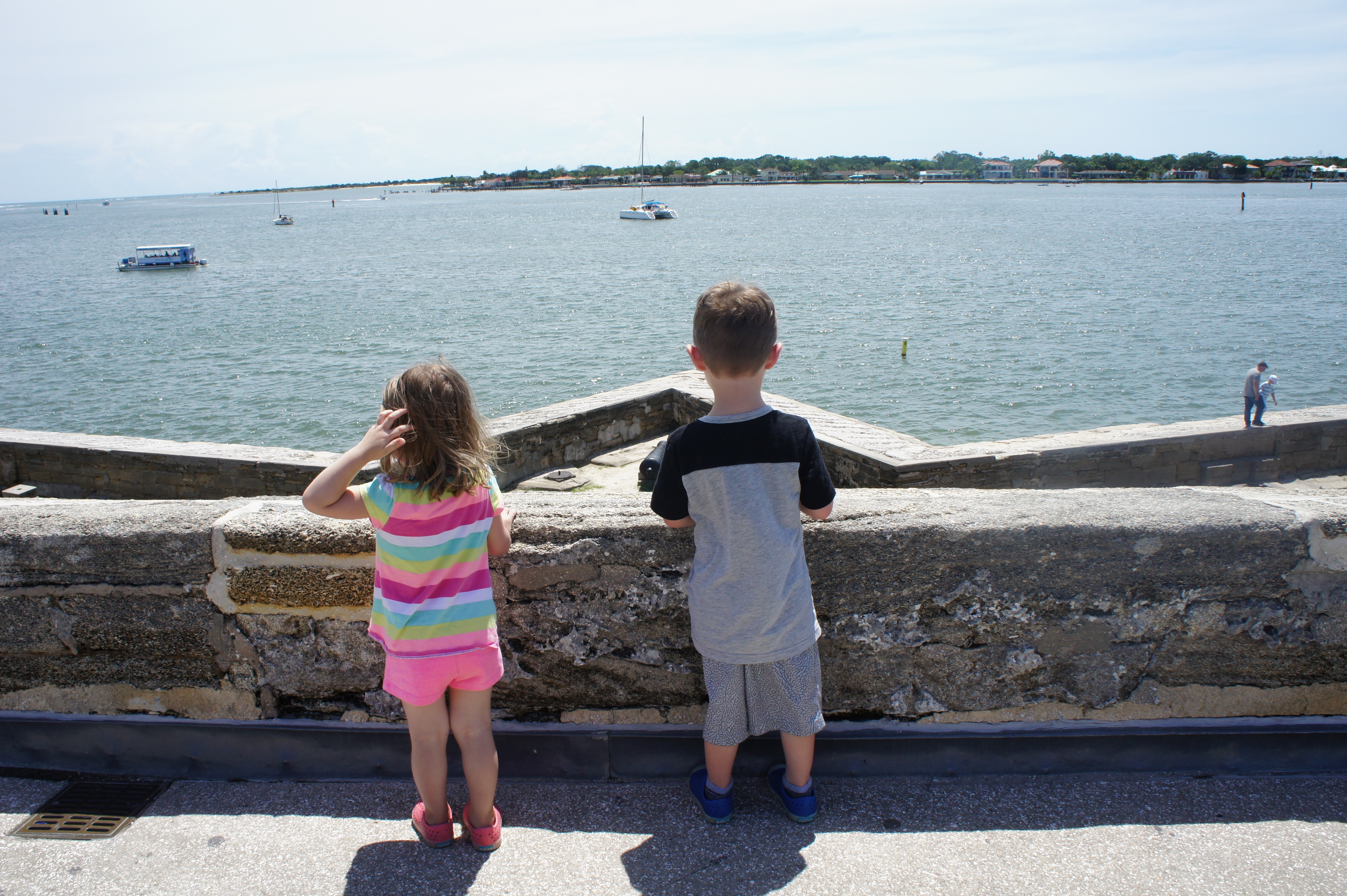
View from the top of the Old Fort aka Castillo de San Marcos in St. Augustine.

View from the top of the Old Fort aka Castillo de San Marcos in St. Augustine.

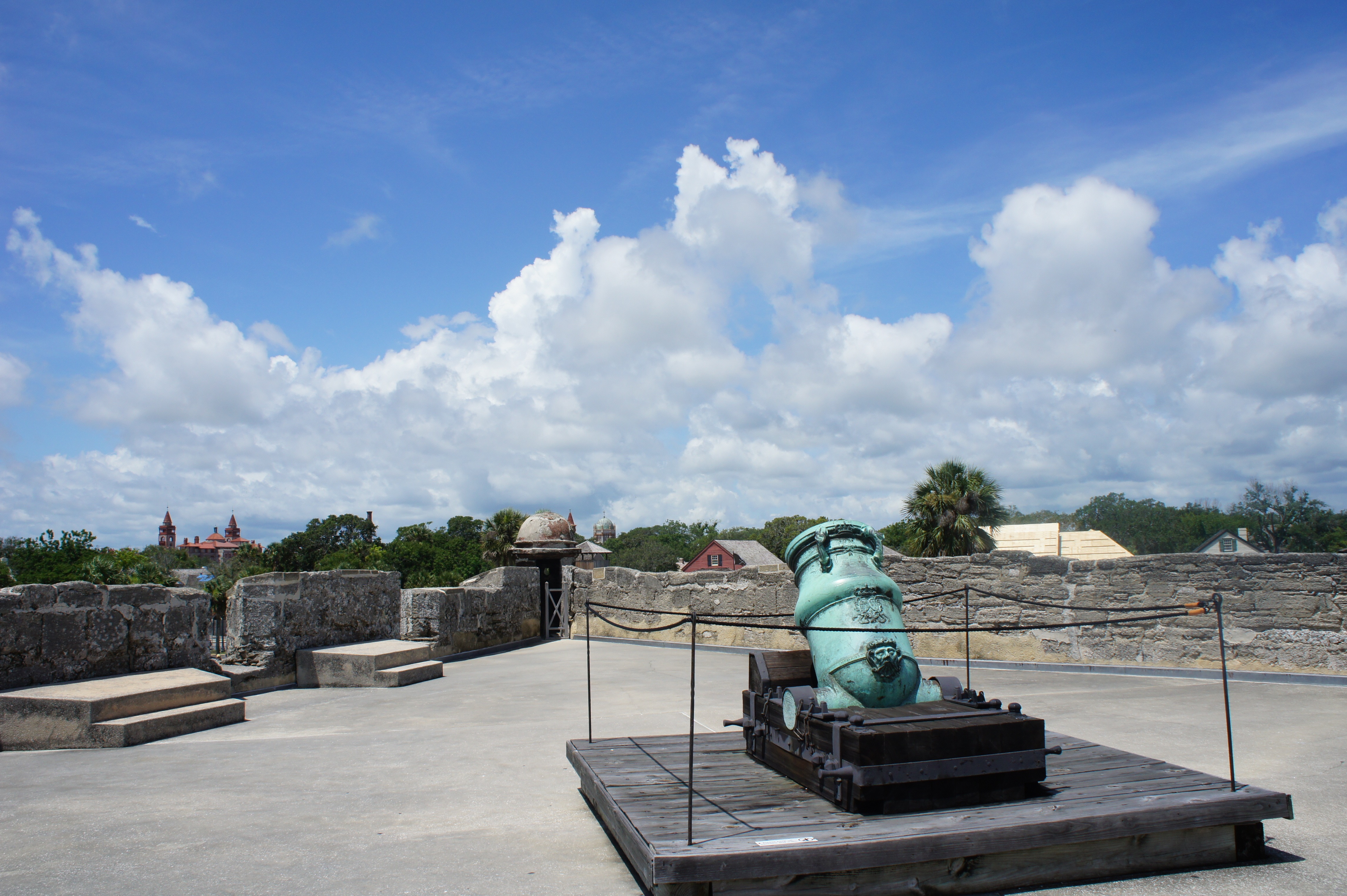
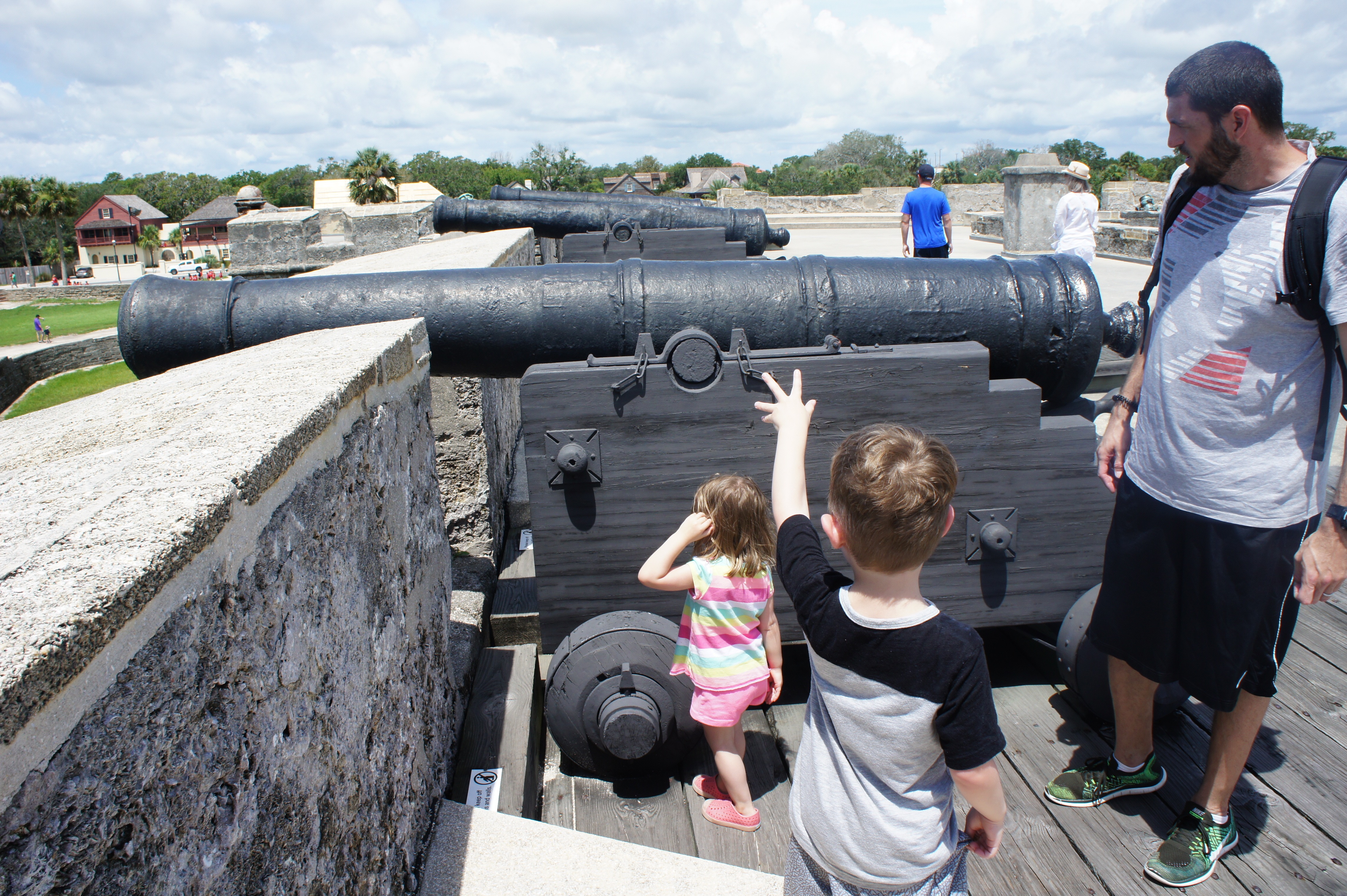
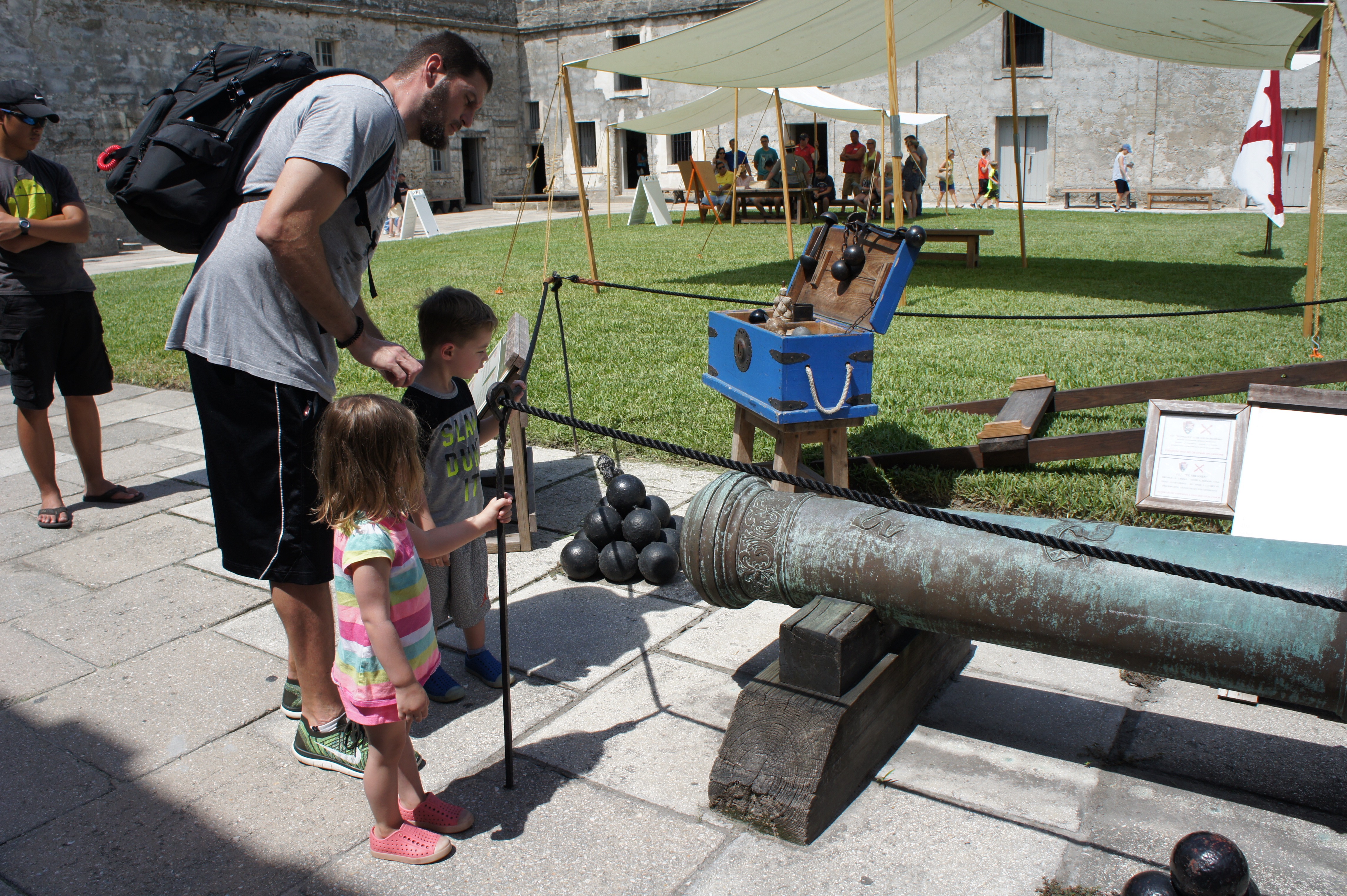
Examining a cannon at the Old Fort aka Castillo de San Marcos in St. Augustine.

View from the top of the Old Fort aka Castillo de San Marcos in St. Augustine.

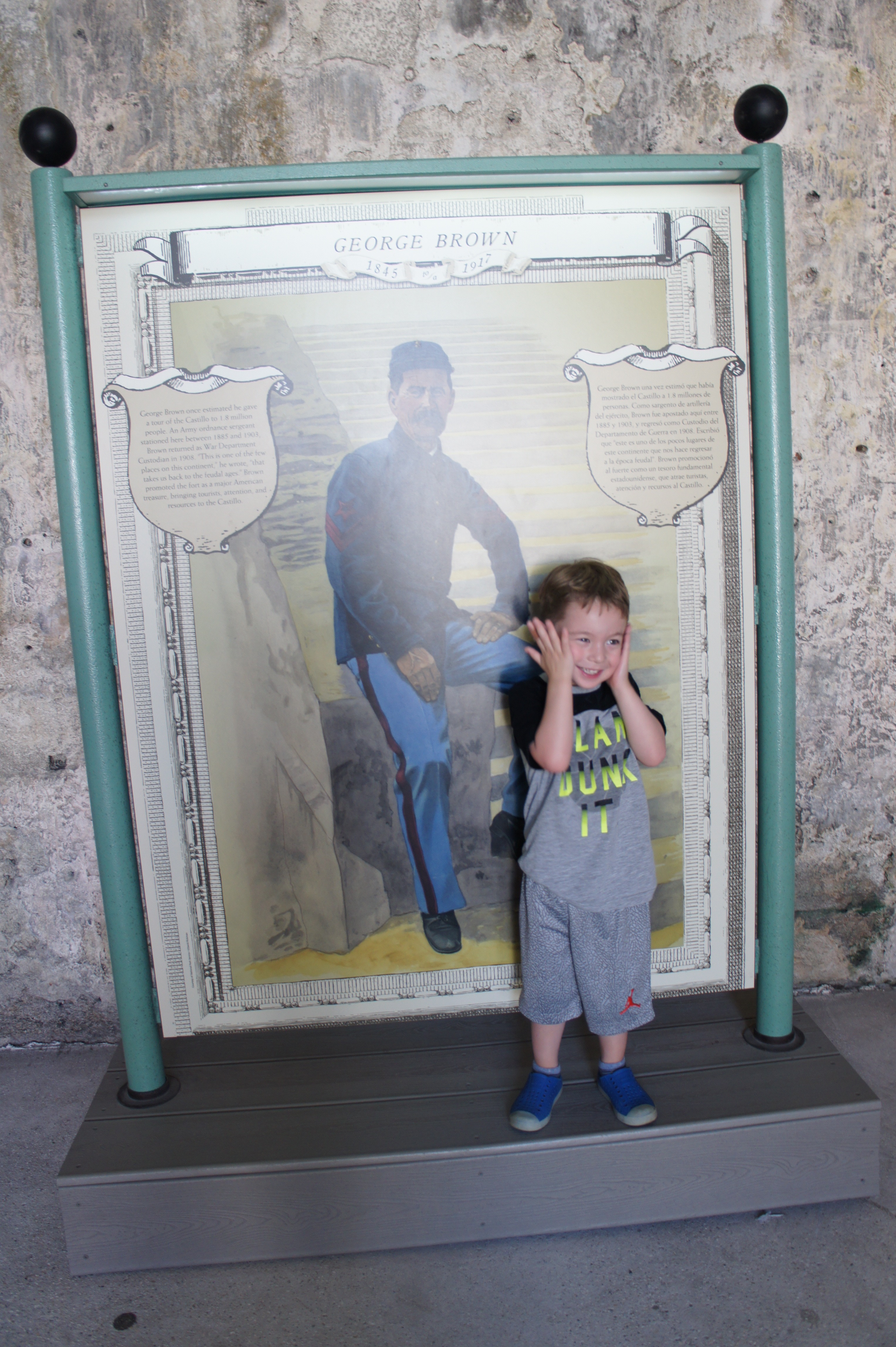
Visiting with General George Brown

Examining a cannon at the Old Fort aka Castillo de San Marcos in St. Augustine.

Touring the Old Fort aka Castillo de San Marcos in St. Augustine.

Today was another exciting day full of history and learning! We visited the “Old Fort,” later named Castillo de San Marcos in historic St. Augustine, where I learned lots of interesting facts I did not know before. The colony of La Florida had already been established by the French 1564, and later taken over by the Spanish in 1565. The Old Fort was built a century later in 1672 to protect the colony from enemy attacks. As the museum literature stated “the possibility of unpredictable violence shaped the character of the town for generations,” hence the way the fort was built and maintained over time. This sense of impending attack is something we discuss often when analyzing this time in history. The fort itself was created using a specific kind of stone that is porous, so as not to shatter if hit by cannonballs. As a result, it is quite indestructible!

I learned about how the colony of Florida changed hands between Spain and Great Britain several times between its founding and the American Revolution. It later became a refuge for Loyalists escaping the fighting during the Revolution.

The museum highlights a number of people who stood out in the history of the fort and St. Augustine. One person who stood out to me was Francisco Menendez. Menendez was originally captured by slavers in Africa and sold to a South Carolina plantation owner. He successfully escaped to St. Augustine in 1724 when he learned that Spain offered freedom to runaways who became Catholics. Fifteen years later, “Menendez became a captain in the militia. He commanded the first free black settlement in North America, Fort Mose. When Spain left Florida in 1763, Menendez moved to Cuba, where he set up a new black town called San Agustin de la Nueva Florida.” I found this man’s story particularly interesting, as he overcame impossible odds to gain leadership among the colonists and played a significant role during the Revolution. I certainly plan to share the story of Francisco Menendez with my students in the fall.

In addition to learning these interesting facts, we also climbed to the top of the fort, took in the view, and investigated the canons!

After touring the Old Fort, we ventured across the street to the Colonial Quarter. We explored a blacksmith shop, an armory (armorers were blacksmiths who specialized in weaponry). The watch tower stands high above the village, providing a perfect place for the sentry (guard) to keep watch. The Colonial Quarter exhibited a boatwright’s shop (shop belonging to a craftsman who builds boats), which was quite a sight to behold!

Since the air was thick and humid with temperatures in the near-90s, the escape into the air-conditioned rental car was quite nice! We made the 2-hour drive to Savannah where we leisurely drove around the neighborhoods and admired the greenery, rivers, and swampland before eating burgers for dinner at a fun local restaurant. Tomorrow we will take in the sights in Savannah’s historic district!

Thanks for reading!

A Visit to St. Augustine Lighthouse

After such an action-packed travel day yesterday, our family enjoyed a long and solid night of sleep and another delicious southern style meal for brunch this morning at the Country Cabin in Jacksonville. Next, we drove the scenic route to St. Augustine, which was a little more than an hour’s drive. We leisurely took in the sights along the way, seeing how GREEN and lush the coastal beach towns are, especially compared to Los Angeles.

This afternoon, we spent time at the St. Augustine Lighthouse and Maritime Museum. I learned lots of interesting information about the colony of East Florida during the time of the American Revolution. As it turns out, East Florida was home of many Loyalists (colonists who wanted to stay loyal to the King, and resisted independence from England). Then, as the museum literature stated “East Florida, with St. Augustine as its capital, spent 20 years as the 14th British colony, until the American Revolution forced the British to grant the colony back to Spain.”

The museum also displayed fascinating artifacts from 2 18th century shipwrecks off the coast of St. Augustine, such as weapons, silverware, and coins. The exhibits explain how artifacts can be used to demonstrate social status of the passengers – those who were of higher social class and those who sought social mobility in America, both of whom were present on the ships. In fifth grade, we engage in a fun social studies activity where students act as “archeologists” and “excavate” artifacts from a sunken ship, so this exhibit was exactly in line with our work in class.

The lighthouse and Keeper’s House are maintained beautifully, as are the surrounding grounds. It was a beautiful piece of American history to behold today. Tomorrow, we will visit the Fort itself and the Colonial Quarters across the street.

For up-to-date snapshots, follow my Instagram: @mshealytravels.

Thanks for reading!

We’ve Arrived!

After a long travel day, we have arrived at our first destination! We woke up at 3:00 am to make it to the airport for our 6:00 am flight. It was my children’s first flight ever, so the day was full of excitement, to say the least! We capped the day with a delicious southern feast at Cracker Barrel: endless biscuits, mac and cheese, cheese grits, mashed potatoes and gravy, meatloaf, and more!

We begin our journey in Jacksonville, which was the closest major airport to St. Augustine. I could not plan a trip to explore our nation’s past without visiting St. Augustine, which is also known as our “Nation’s Oldest City.” During our early weeks of school, our fifth grade social studies curriculum engages the students in this chapter of our history with a chapter called “Who Wins Florida?” We discuss how the French settled nearby at the same time at Fort Caroline, but the St. Augustine Fort ultimately won, becoming the first permanent European settlement in America.

I can’t wait to see the fort myself and learn more about these early days in American history! Stay tuned!

Welcome to Ms. Healy’s Travel Blog

As the spring season begins, that means that summer is just around the corner! I am deep into the planning stages of my journey and have nailed down a list of stops. I decided to focus more on the middle and southern colonial regions. Since our fifth grade trip to Boston leaves no stone unturned in New England, it made sense to explore the other colonial regions and deepen my knowledge of history there.

Below is a preliminary list of stops on my journey:

St. Augustine, FL – The first permanent European settlement in North America.
Savannah, GA – First major city in the 13th English Colony of Georgia.
Charleston, SC – One of the busiest ports and bustling city in the colonial south.
Walterboro Slave Museum in South Carolina – Devoted to preserving the history of the first Americans of African descent.
Colonial Williamsburg – The world’s largest “living museum” devoted to capturing daily life in a Colonial American town.
Jamestown, VA – The first English colony and beginning of representative government in America.
Mt. Vernon – Home of George and Martha Washington
African American Museum in Washington, DC – A celebration of the cultural contributions of African Americans on American history.
Philadelphia, PA – Philadelphia’s Historic District is home to many historic sites such as the Liberty Bell and Independence Hall.

Not only will this travel experience provide professional enrichment for me, it is also the first plane ride and cross country journey for my two children, Sean (age 3) and Gigi (age 2). As we plan the rest of the trip, I’m also going to gather tips and tricks for traveling with toddlers! (Let me know if you have any advice!)

I’ll be sure to update this blog as planning is finalized. Thank you for visiting!