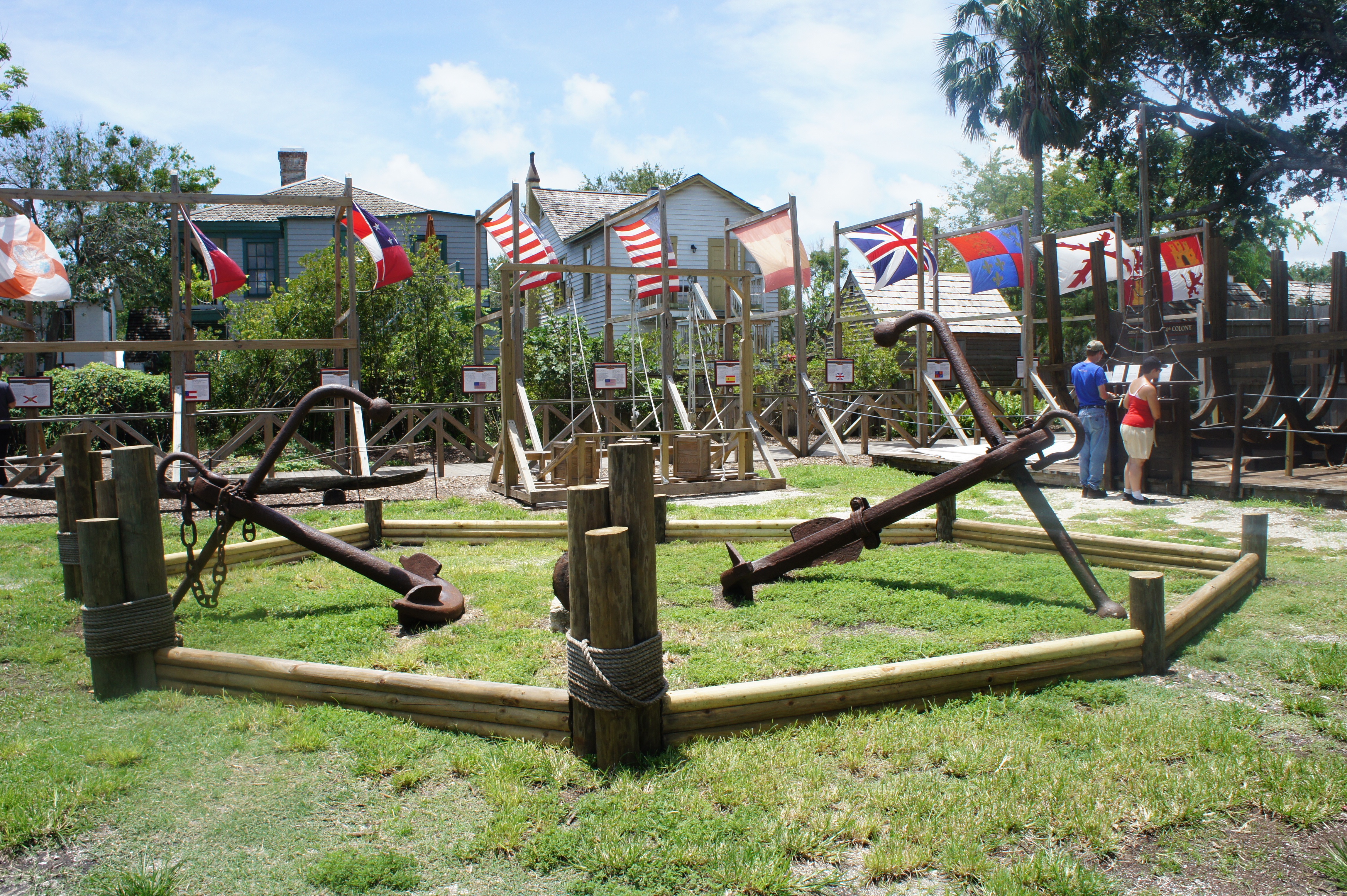
Visiting the Colonial Quarter in Historic St. Augustine.
Visiting the Colonial Quarter in Historic St. Augustine.
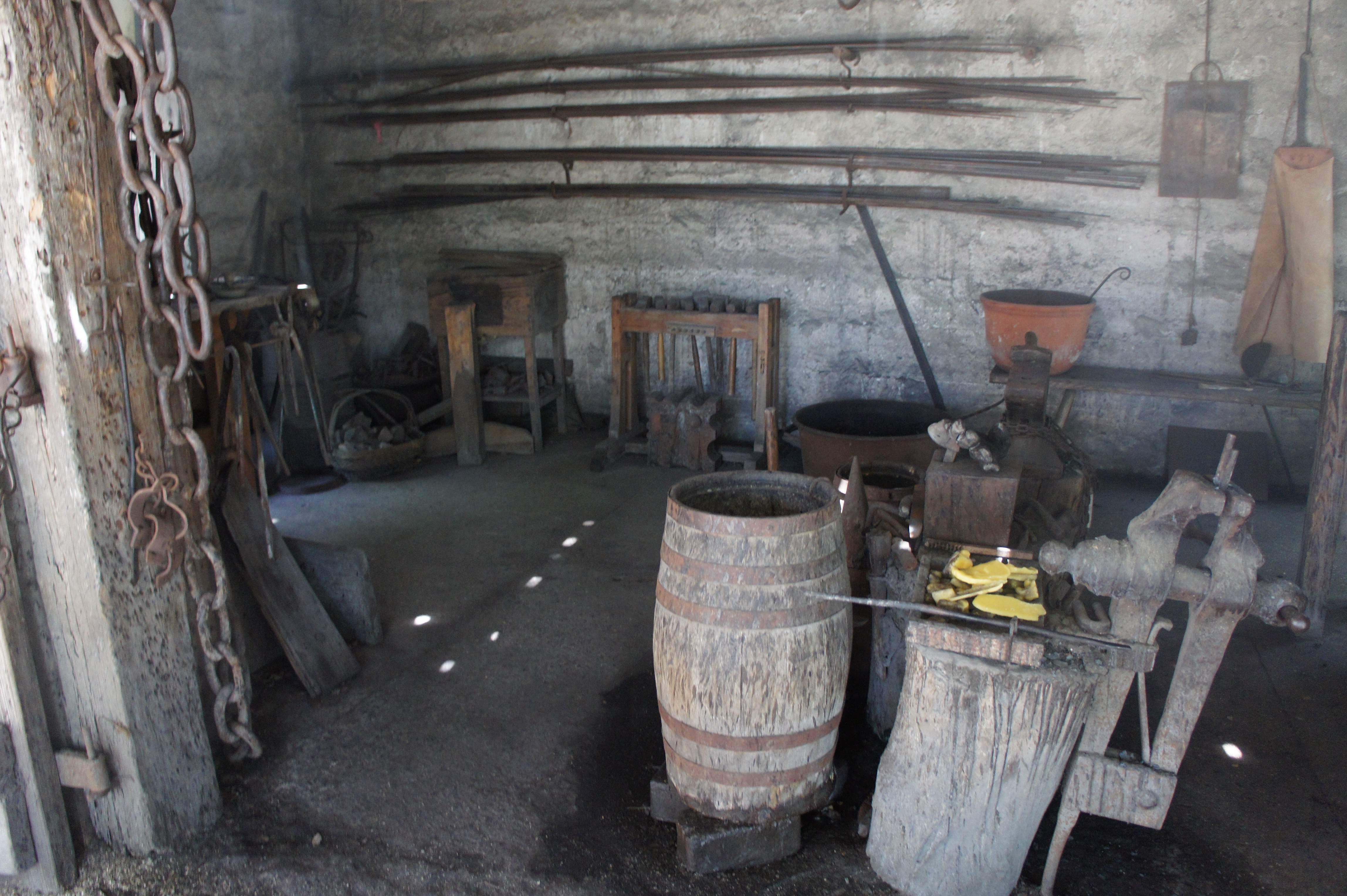
The blacksmith’s shop in the Colonial Quarter at St. Augustine.

The blacksmith’s shop in the Colonial Quarter at St. Augustine.
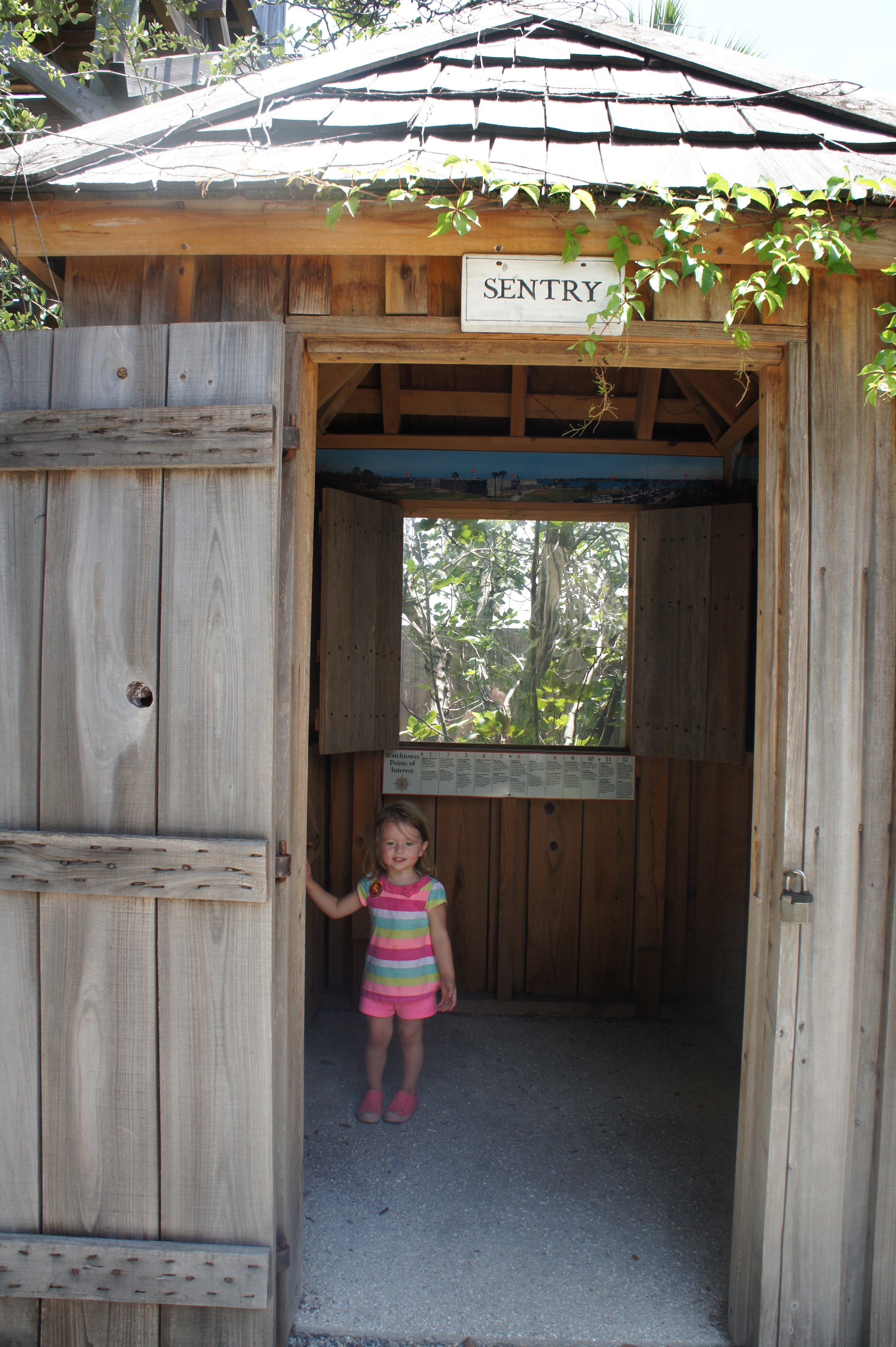
The most adorable sentry in the Colonial Quarter!
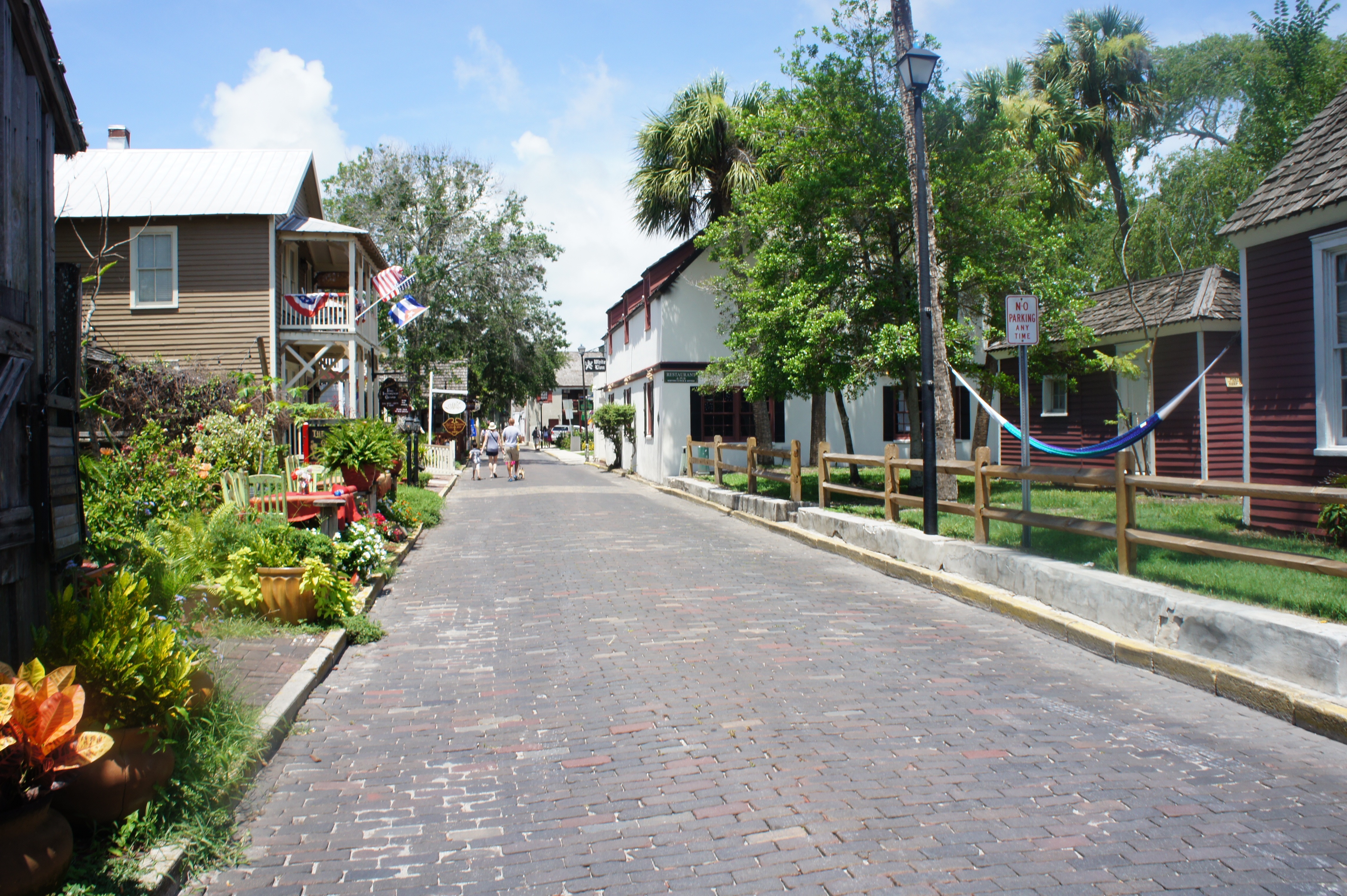
The quaint colonial town in St. Augustine.
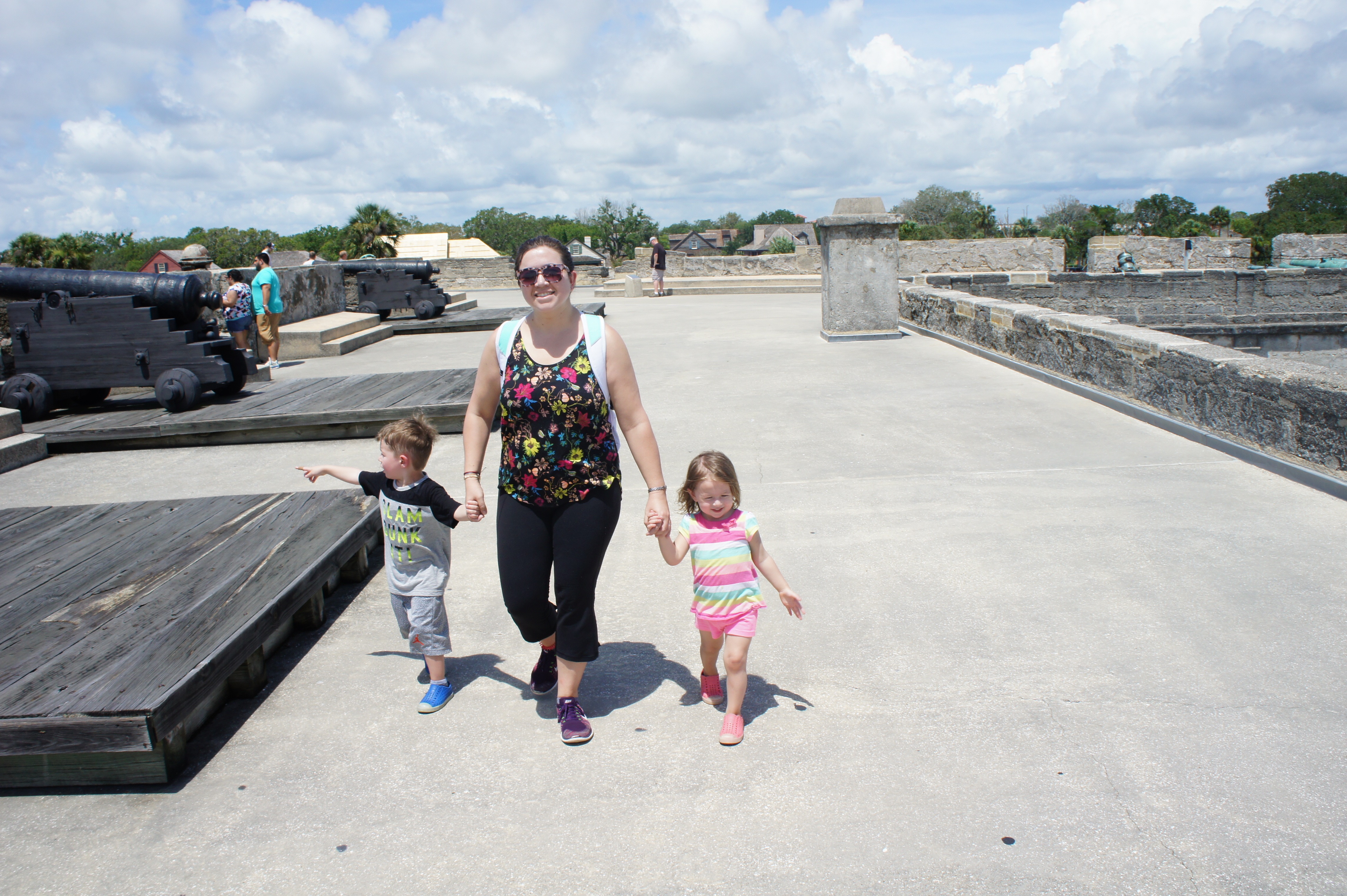
Touring the Old Fort aka Castillo de San Marcos in St. Augustine.
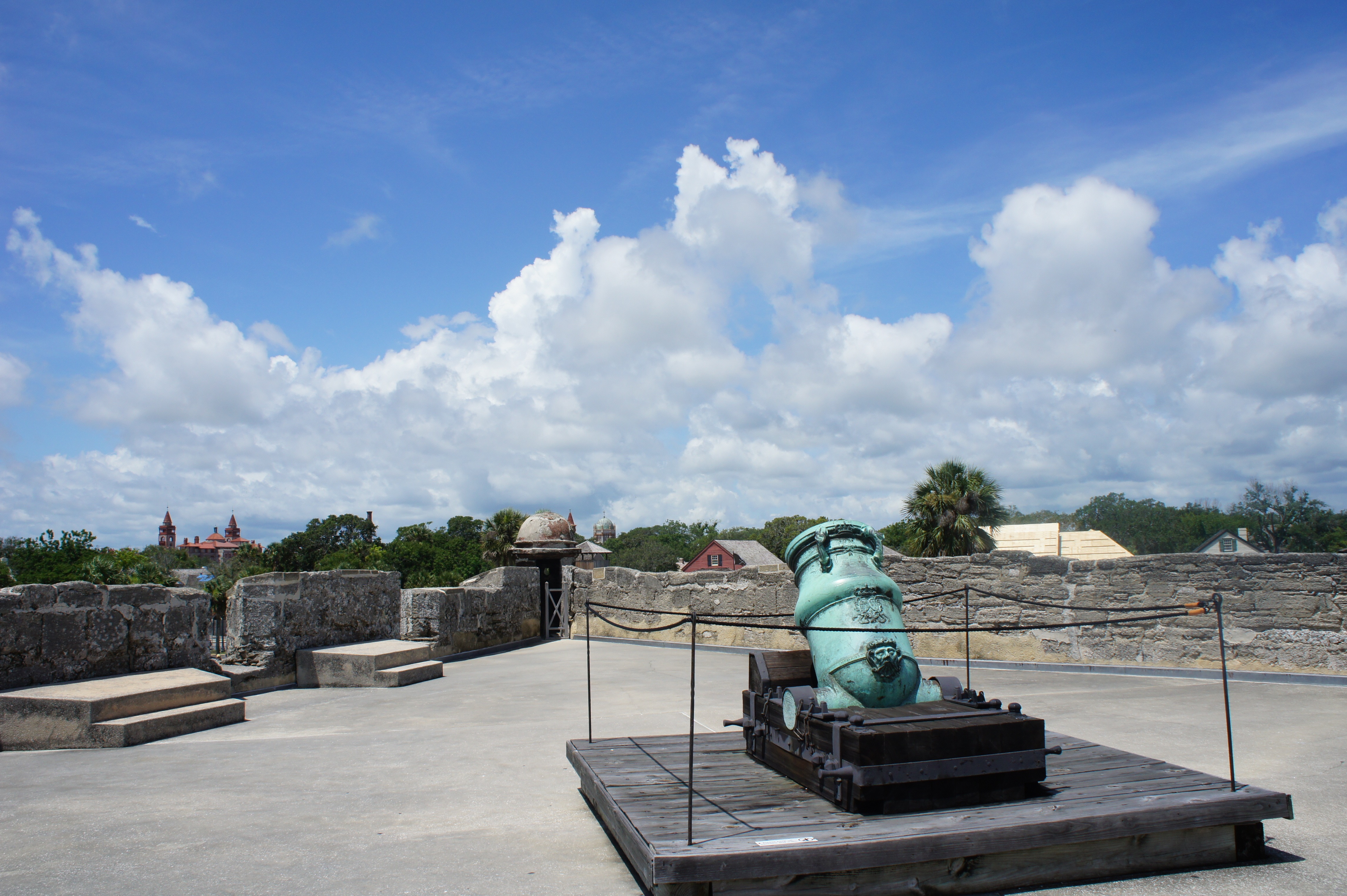
Touring the Old Fort aka Castillo de San Marcos in St. Augustine.
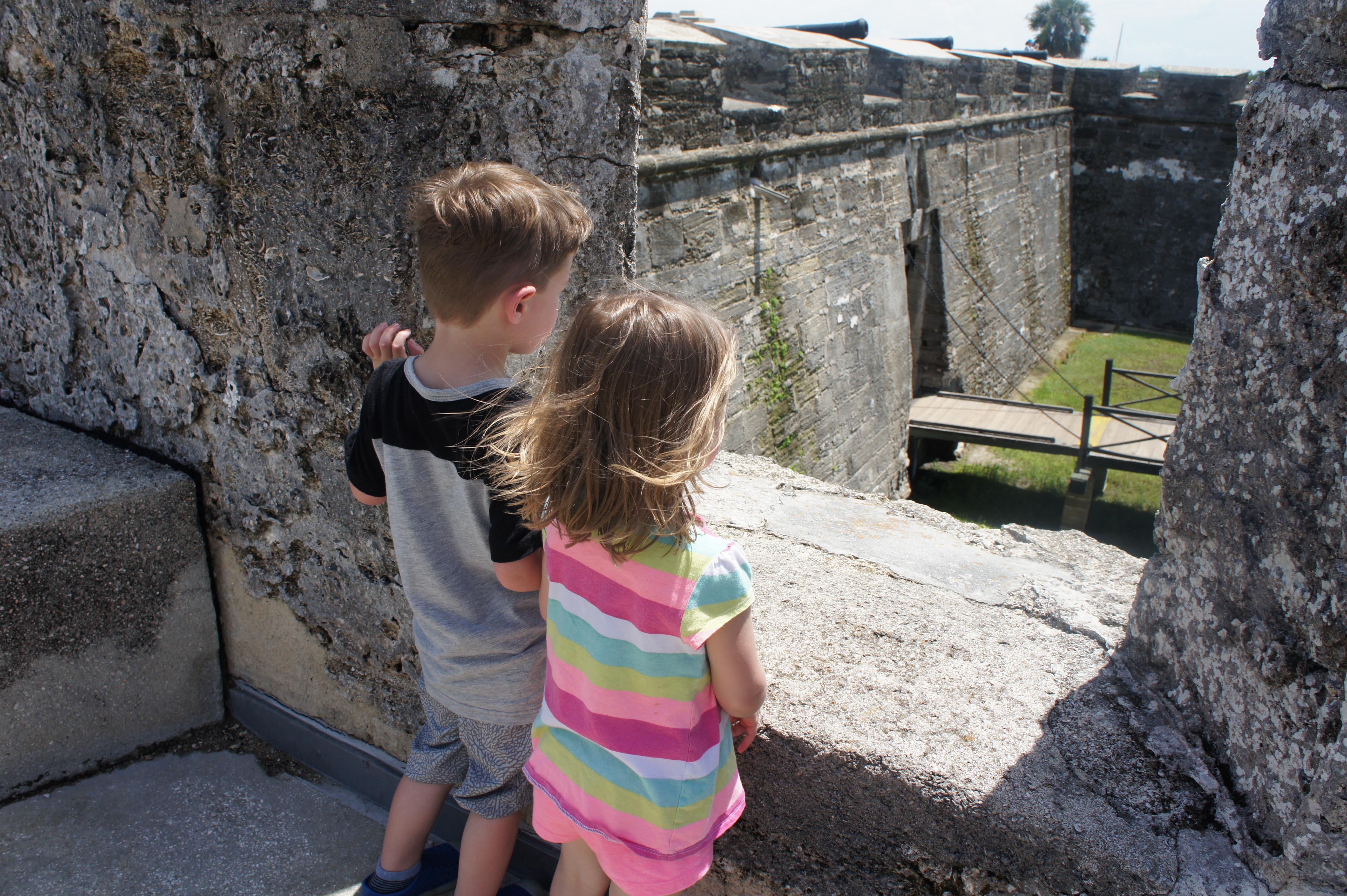
View from the top of the Old Fort aka Castillo de San Marcos in St. Augustine.
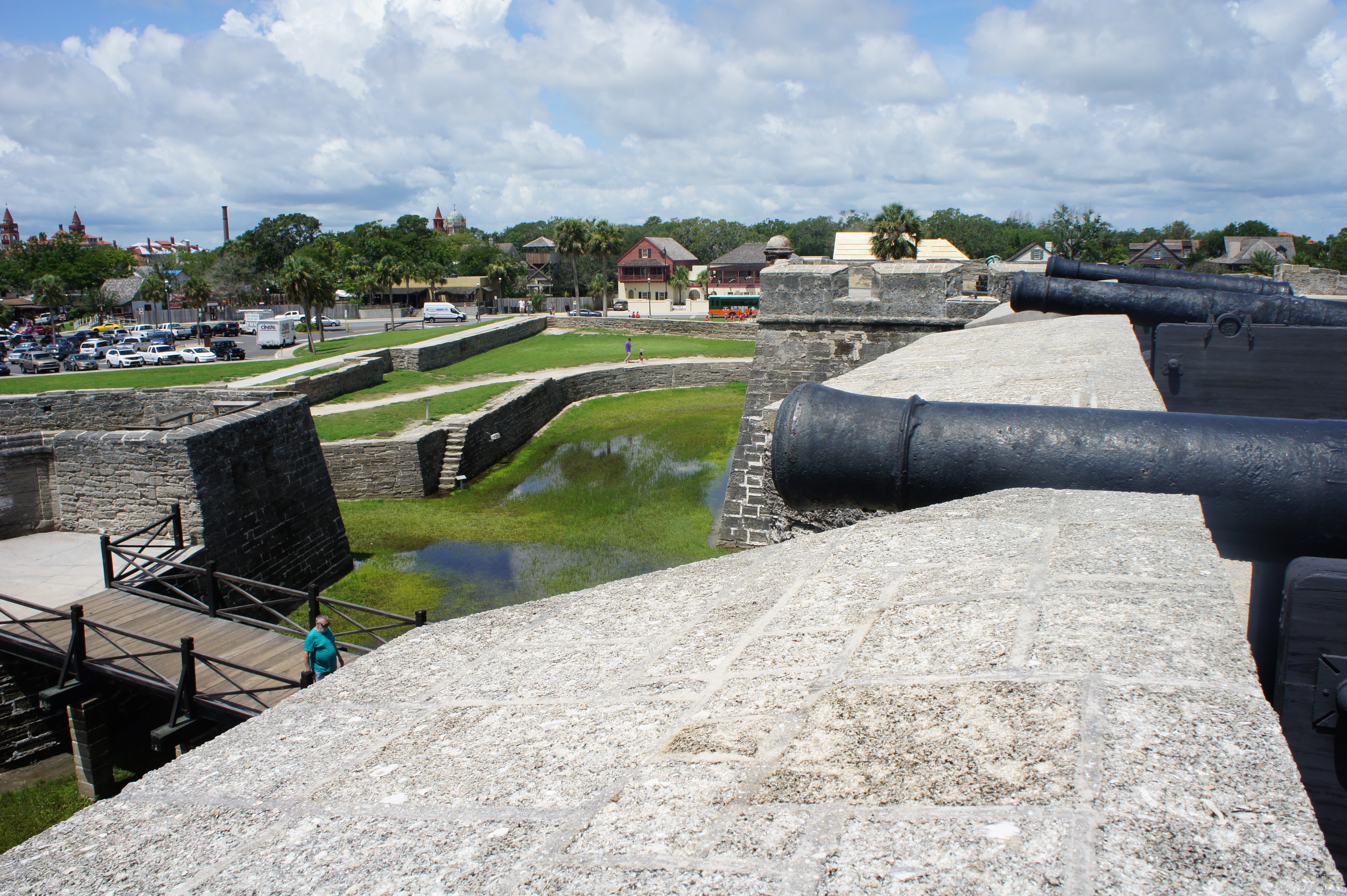
View from the top of the Old Fort aka Castillo de San Marcos in St. Augustine.
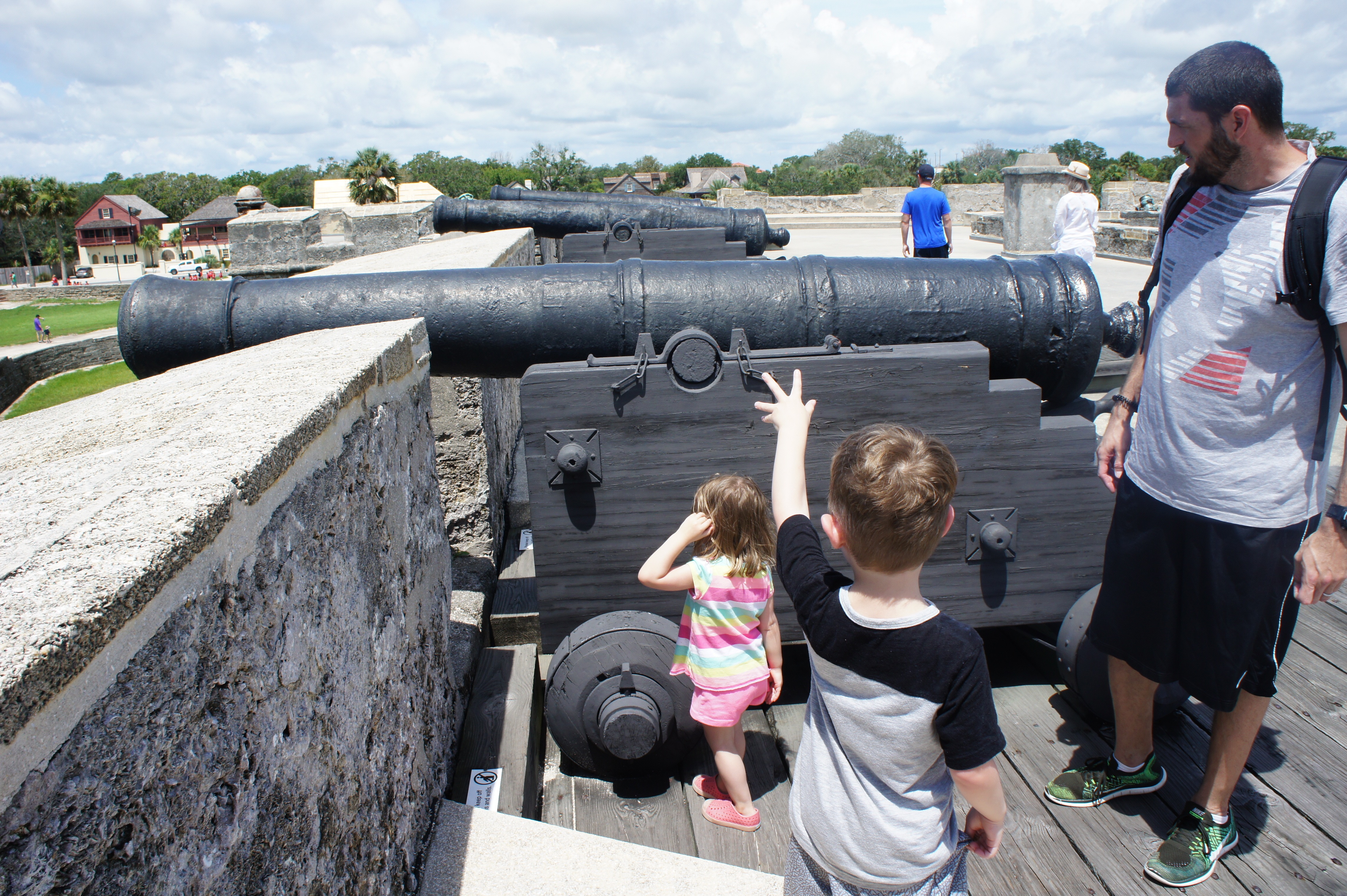
Examining a cannon at the Old Fort aka Castillo de San Marcos in St. Augustine.
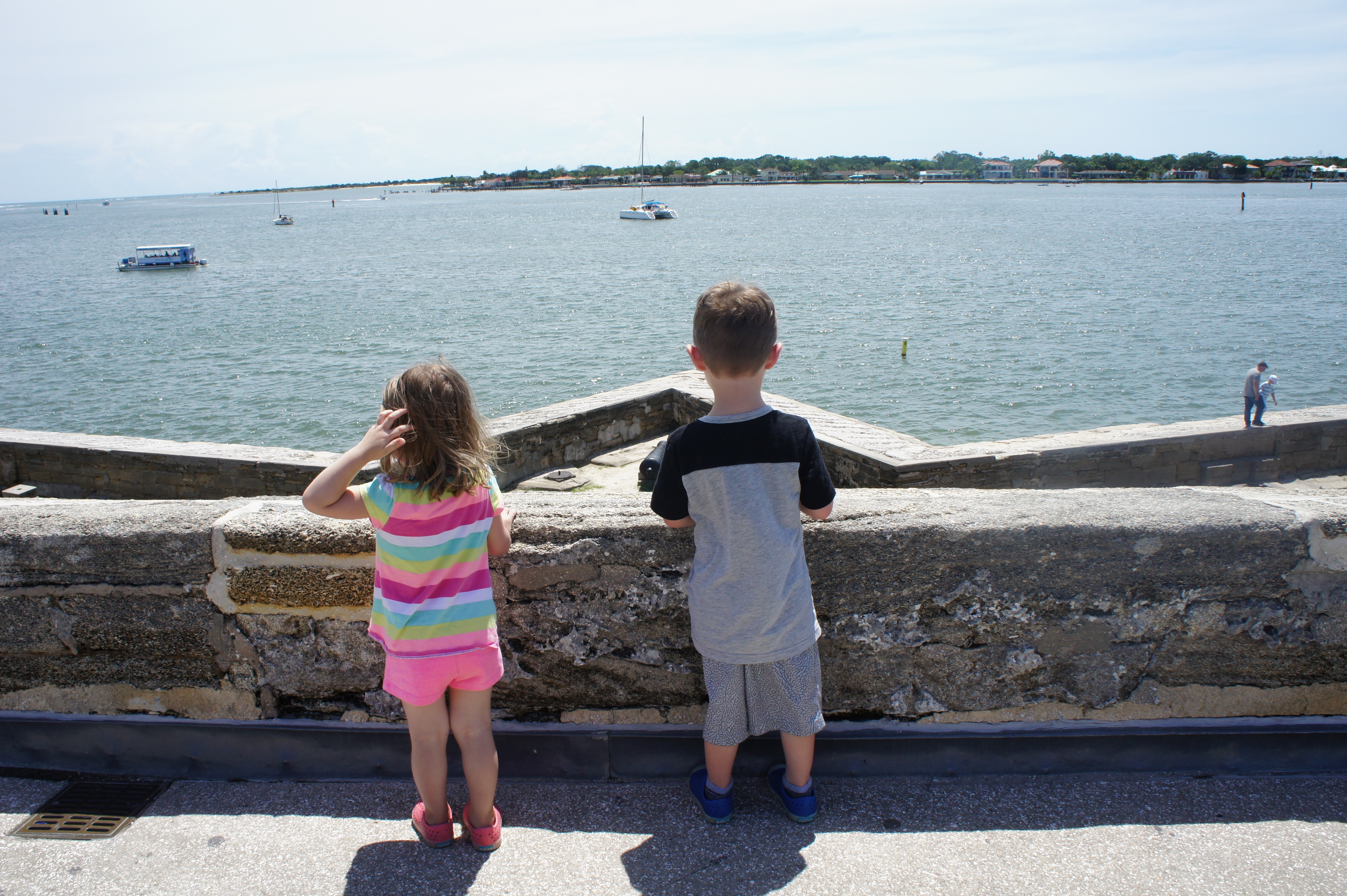
View from the top of the Old Fort aka Castillo de San Marcos in St. Augustine.
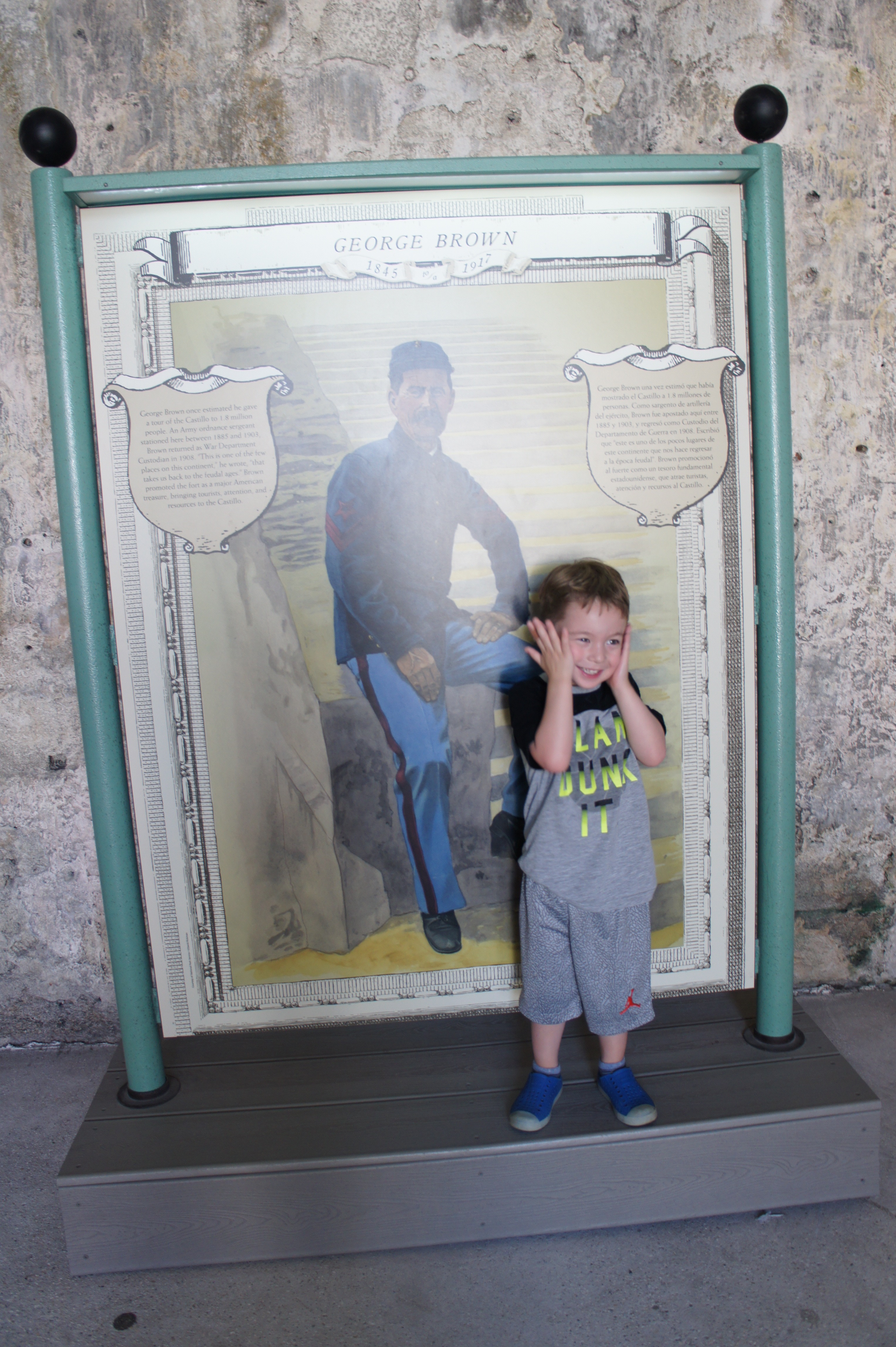
Visiting with General George Brown
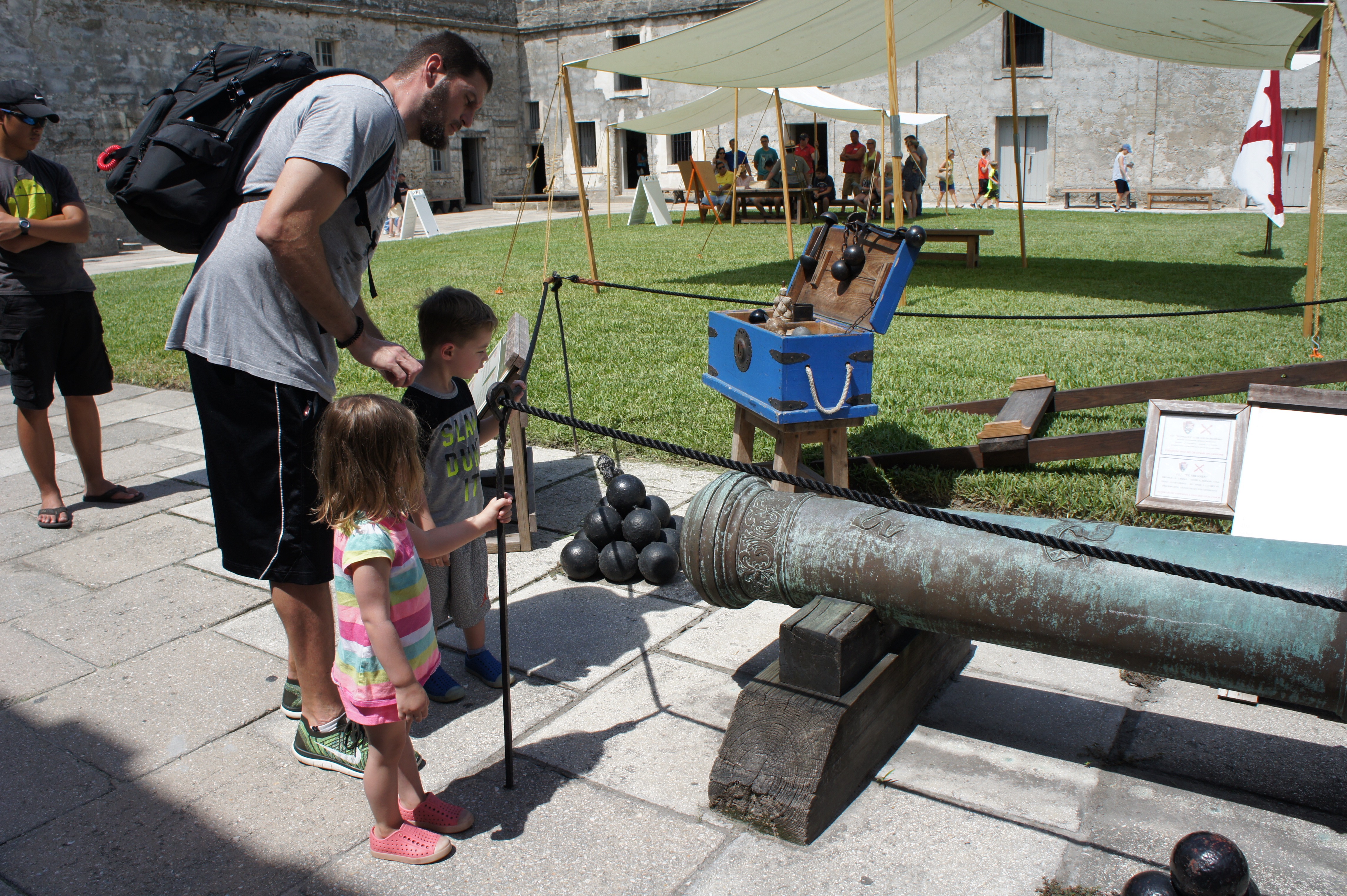
Examining a cannon at the Old Fort aka Castillo de San Marcos in St. Augustine.
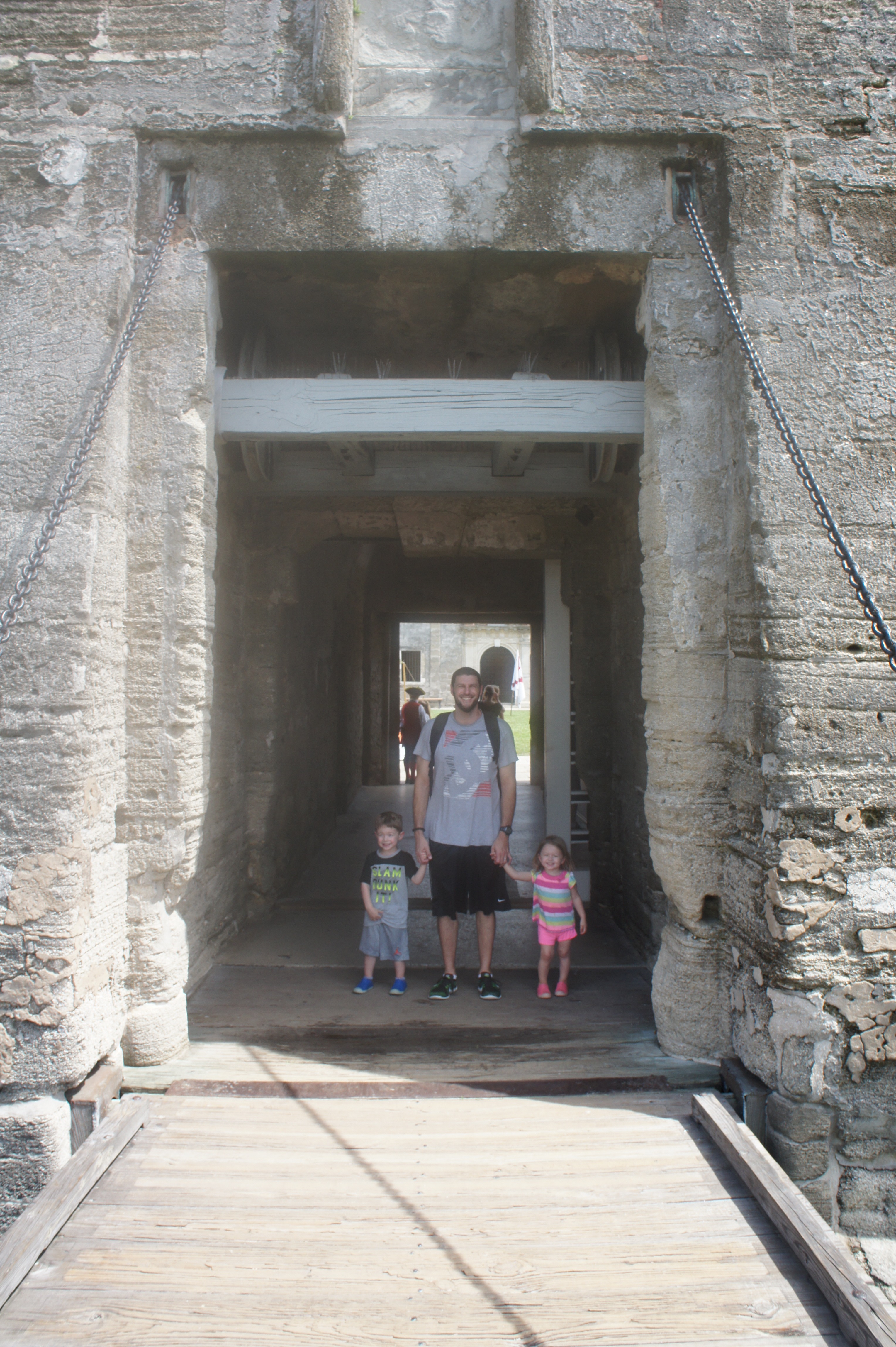
Touring the Old Fort aka Castillo de San Marcos in St. Augustine.
I learned about how the colony of Florida changed hands between Spain and Great Britain several times between its founding and the American Revolution. It later became a refuge for Loyalists escaping the fighting during the Revolution.
The museum highlights a number of people who stood out in the history of the fort and St. Augustine. One person who stood out to me was Francisco Menendez. Menendez was originally captured by slavers in Africa and sold to a South Carolina plantation owner. He successfully escaped to St. Augustine in 1724 when he learned that Spain offered freedom to runaways who became Catholics. Fifteen years later, “Menendez became a captain in the militia. He commanded the first free black settlement in North America, Fort Mose. When Spain left Florida in 1763, Menendez moved to Cuba, where he set up a new black town called San Agustin de la Nueva Florida.” I found this man’s story particularly interesting, as he overcame impossible odds to gain leadership among the colonists and played a significant role during the Revolution. I certainly plan to share the story of Francisco Menendez with my students in the fall.
In addition to learning these interesting facts, we also climbed to the top of the fort, took in the view, and investigated the canons!
After touring the Old Fort, we ventured across the street to the Colonial Quarter. We explored a blacksmith shop, an armory (armorers were blacksmiths who specialized in weaponry). The watch tower stands high above the village, providing a perfect place for the sentry (guard) to keep watch. The Colonial Quarter exhibited a boatwright’s shop (shop belonging to a craftsman who builds boats), which was quite a sight to behold!
Since the air was thick and humid with temperatures in the near-90s, the escape into the air-conditioned rental car was quite nice! We made the 2-hour drive to Savannah where we leisurely drove around the neighborhoods and admired the greenery, rivers, and swampland before eating burgers for dinner at a fun local restaurant. Tomorrow we will take in the sights in Savannah’s historic district!
Thanks for reading!
 Miss Healy in Colonial America
Very interesting!
LikeLike