It’s the hottest ticket in town, and deservedly so. After hearing for months from others that Smithsonian’s National Museum of African American History and Culture was a must-see, I went online to book my tickets. It was April. I was booking for July. It had to have been early enough to secure tickets, right? Wrong. I learned the hard way that tickets book 3-4 months in advance. I could try to log in at 6:30 am the morning of my visit, so I tried that. I’d surely get tickets, right? Wrong. I did log in, right at 6:30, and the website spun and spun. I would have to try my luck at the 1:00 walk-up line. At 12:30, we approached the line and waited for a few minutes. We learned guests with current CPR cards would be admitted with their families, and bingo! My husband miraculously had his CPR card with him, so we were in!
The museum was everything I imagined and more. It was vibrant and engaging. The whole museum, particularly the History floor, was told like a narrative that began in the 1400s with African enslavement and ended with the present day. Specialty exhibits focused on African American achievements/contributions to culture: media, the arts, sports, medicine, American wars. I spent 3+ hours in the museum solo (my husband walked our children around DC), soaking it all in. By the time I left, my mind was reeling. It took me a while to decompress and process everything I saw.
The displays provided a tremendous amount of detail in the form of snippets of history or people’s stories. There is just way too much for me to recount in one blog post, so I will write about some of my take-aways. I particularly enjoyed learning about people I never heard of before who contributed greatly to American history and culture.
The Middle Passage section was heart-wrenching. Many of us were in tears as we read the quotes and information on the wall and saw the images displayed and artifacts, such as shackles and floorboards.
I particularly enjoyed learning about people I never heard of before who contributed greatly to American history and culture. For example, Robert Churchwell was known as the “Jackie Robinson of journalism.” He was one of the first black journalists to work at a white-owned southern newspaper. He covered news in the black community and played a pioneering role in desegregating the mainstream press.
Prince Hall went on to establish African American freemasonry. He fought in battles of Lexington, Bunker Hill, and Yorktown. He began a legacy of African American military service to the United States.
Thousands of African Americans fought in the Revolutionary War. As many as 4,000 – 5,000 fought for the Patriots. General Washington needed to fill his army and promised African Americans freedom if they fought, though that freedom came with restrictions by the time the war was over. More than 20,000 African Americans fought for the British because Lord Dunmore also promised freedom to black men who served in the British army. At the end of the war, many of these men fled to Canada where they also faced racism, or were sold back into enslavement. The museum featured James Armistead, who was a Patriot spy. He gained trust of the British and revealed their secrets to the Patriots. Crispus Attucks was one of seven shot in the Boston Massacre in 1770, and is often considered the first American killed in the Revolution.
The Declaration of Independence, The US Constitution, and The Bill of Rights all hang in the museum. “The founding documents supported slavery. Yet the authors of each document took great pains to avoid the words ‘slave’ or ‘slavery’ unable to reconcile the paradox of enslavement in a land of liberty.”
Of course, the museum devotes significant space to The Civil War, Reconstruction, Jim Crow, and Civil Rights periods. I learned a tremendous amount about each period. I am grateful for the respect and honesty the museum devotes to these brave Americans. There is a theme of activism throughout the museum that is important to highlight.
I apologize for the rambling nature of this blog post, as I have literally scratched the surface of this magnificent museum. Please do go experience it yourself! It is worth a trip to DC alone.
I’ll leave you with two quotes displayed on the walls that stayed with me, both of which I’d like to consider as themes of this whole 2-week trip experience:
“Change will not come if we wait for some other person or… some other time. We are the ones we’ve been waiting for. We are the change that we seek.” – Barack Obama
“The great force of history comes from the fact that we carry it within us, are unconsciously controlled by it… History is literally present in all that we do.” – James Baldwin
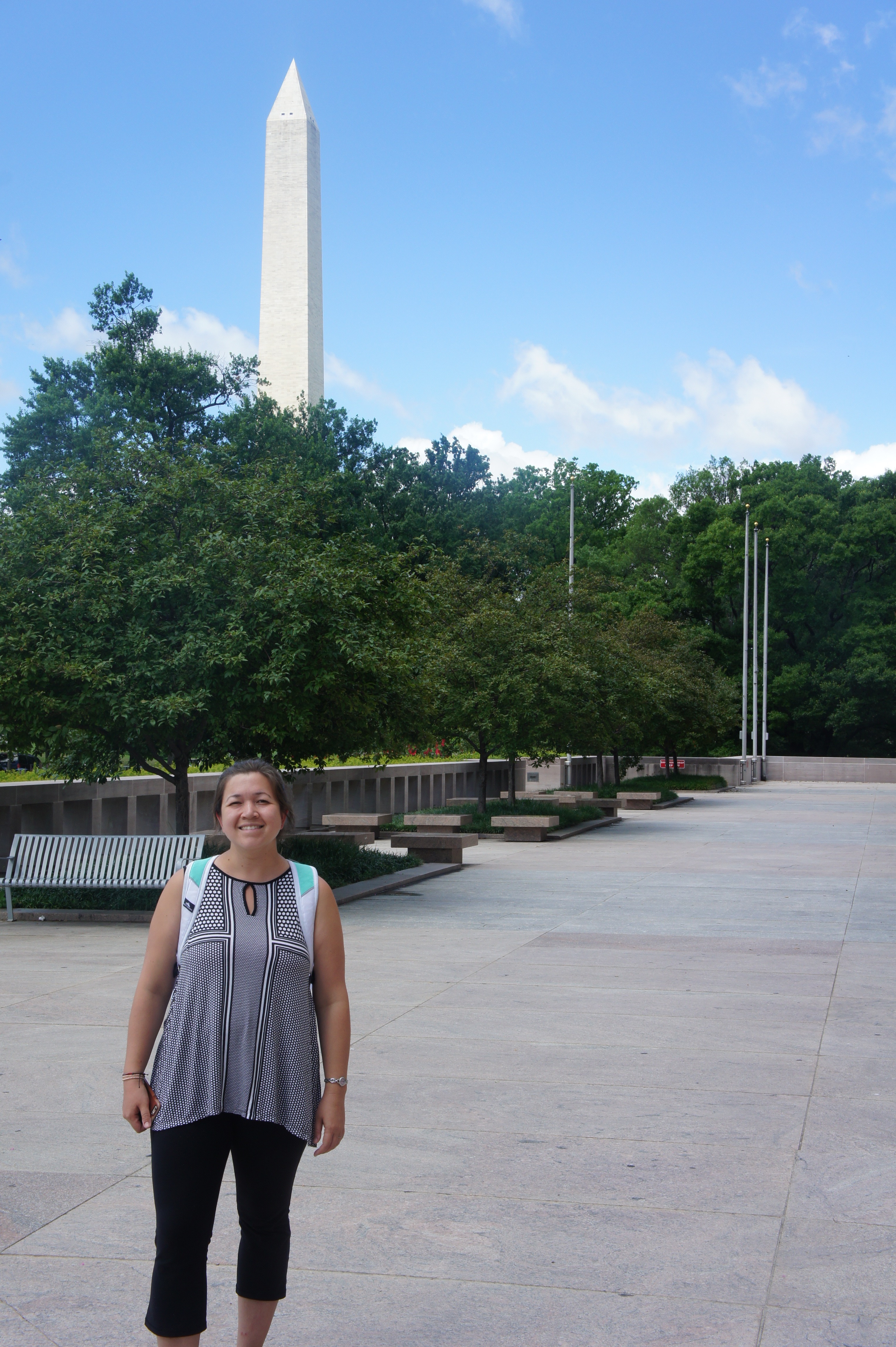
A picturesque morning in DC!

The Smithsonian National Museum of African American History & Culture
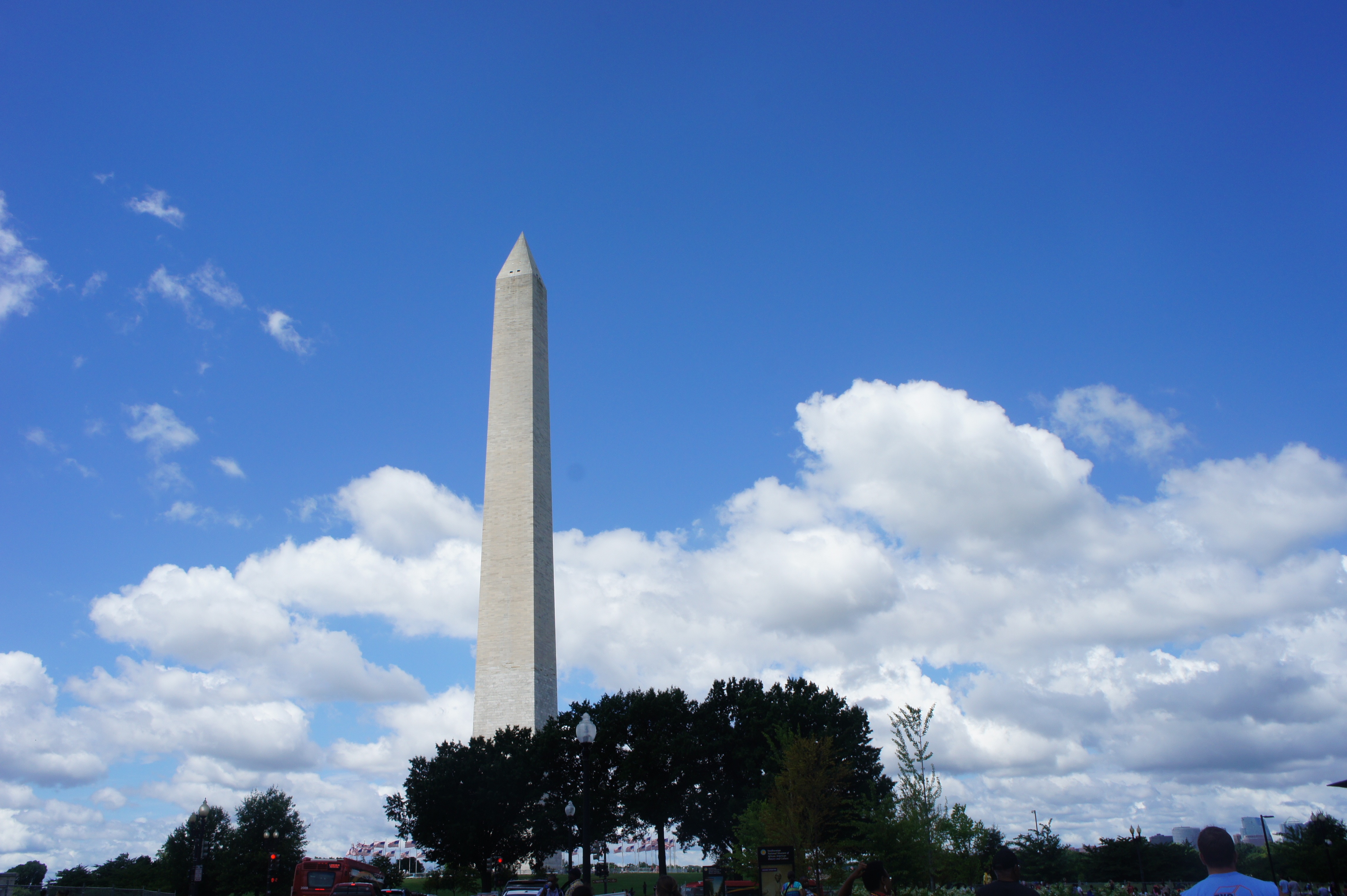
The beautiful Washington Monument!
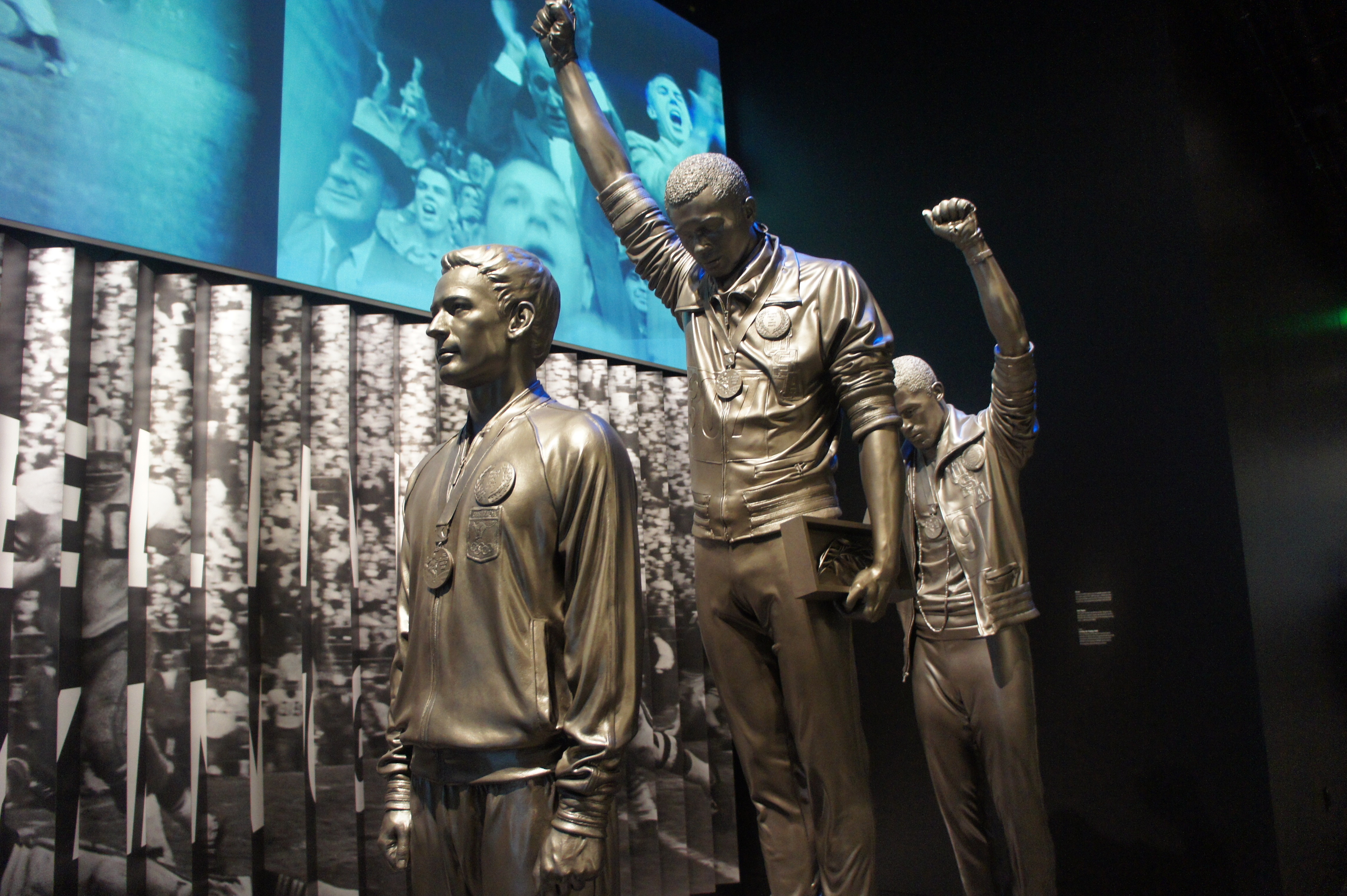
A statue to commemorate a moment of protest at the 1968 Olympics
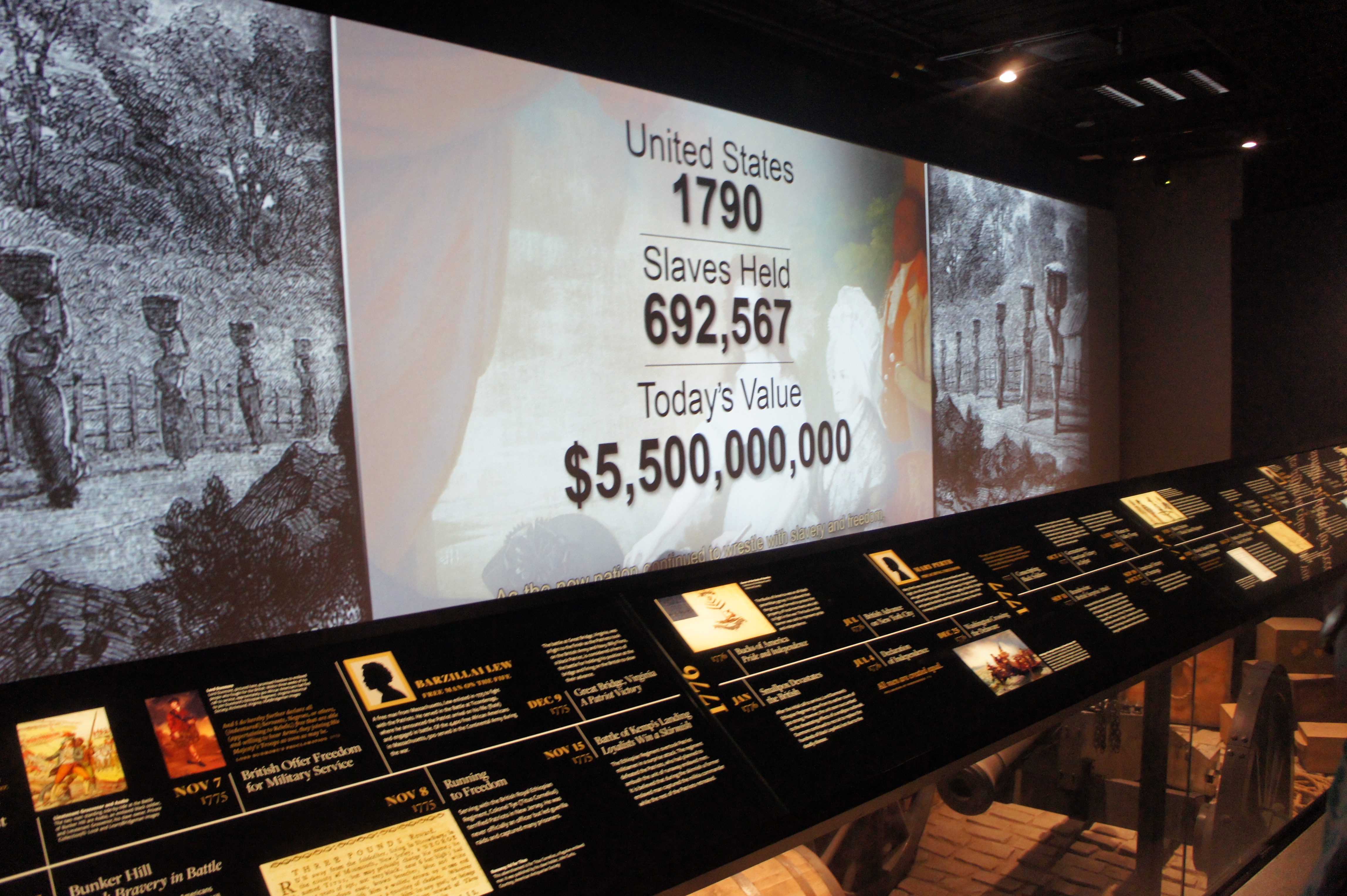
A display about enslavement at the time of the Revolution
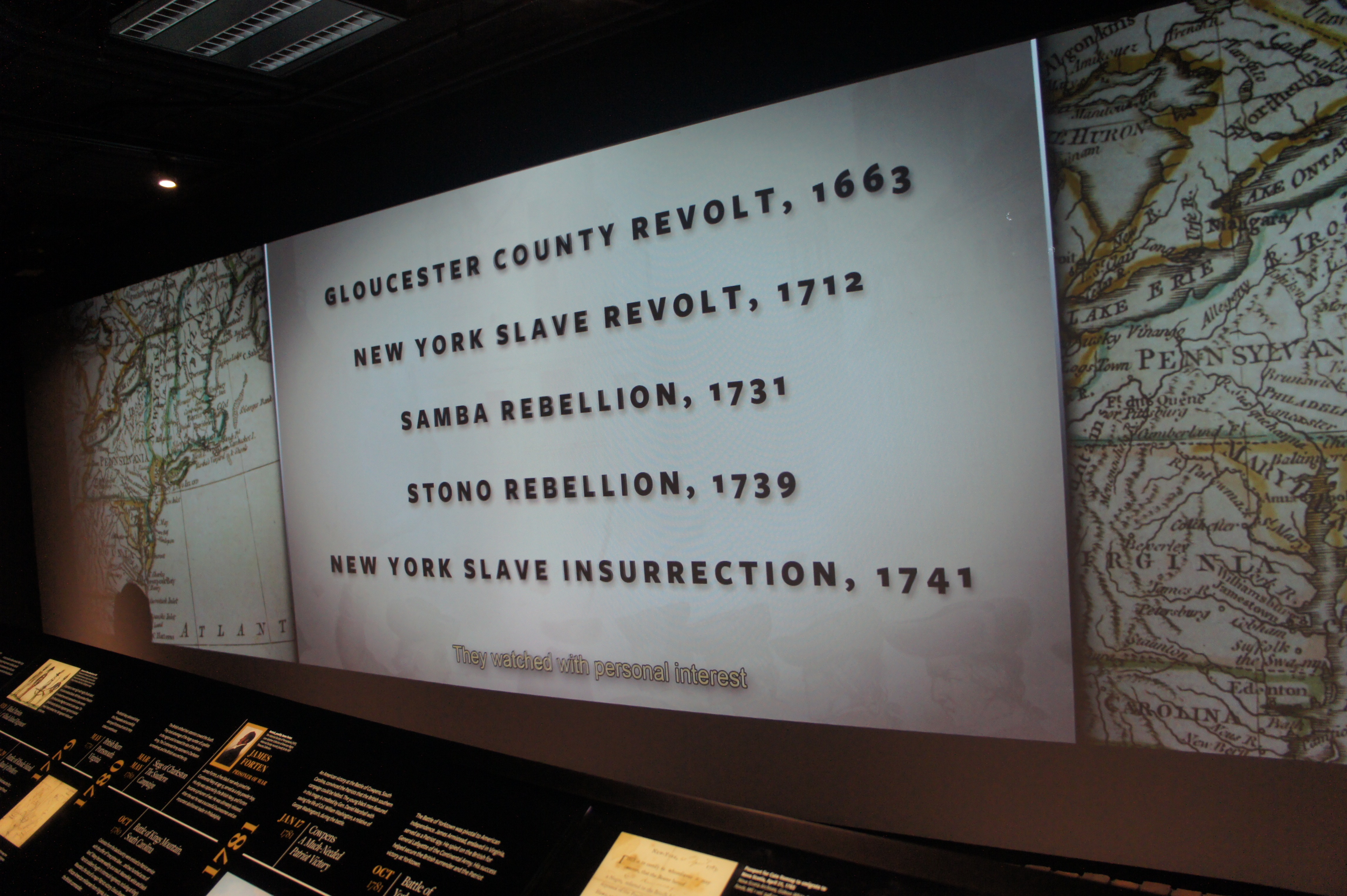
A list of rebellions by the enslaved
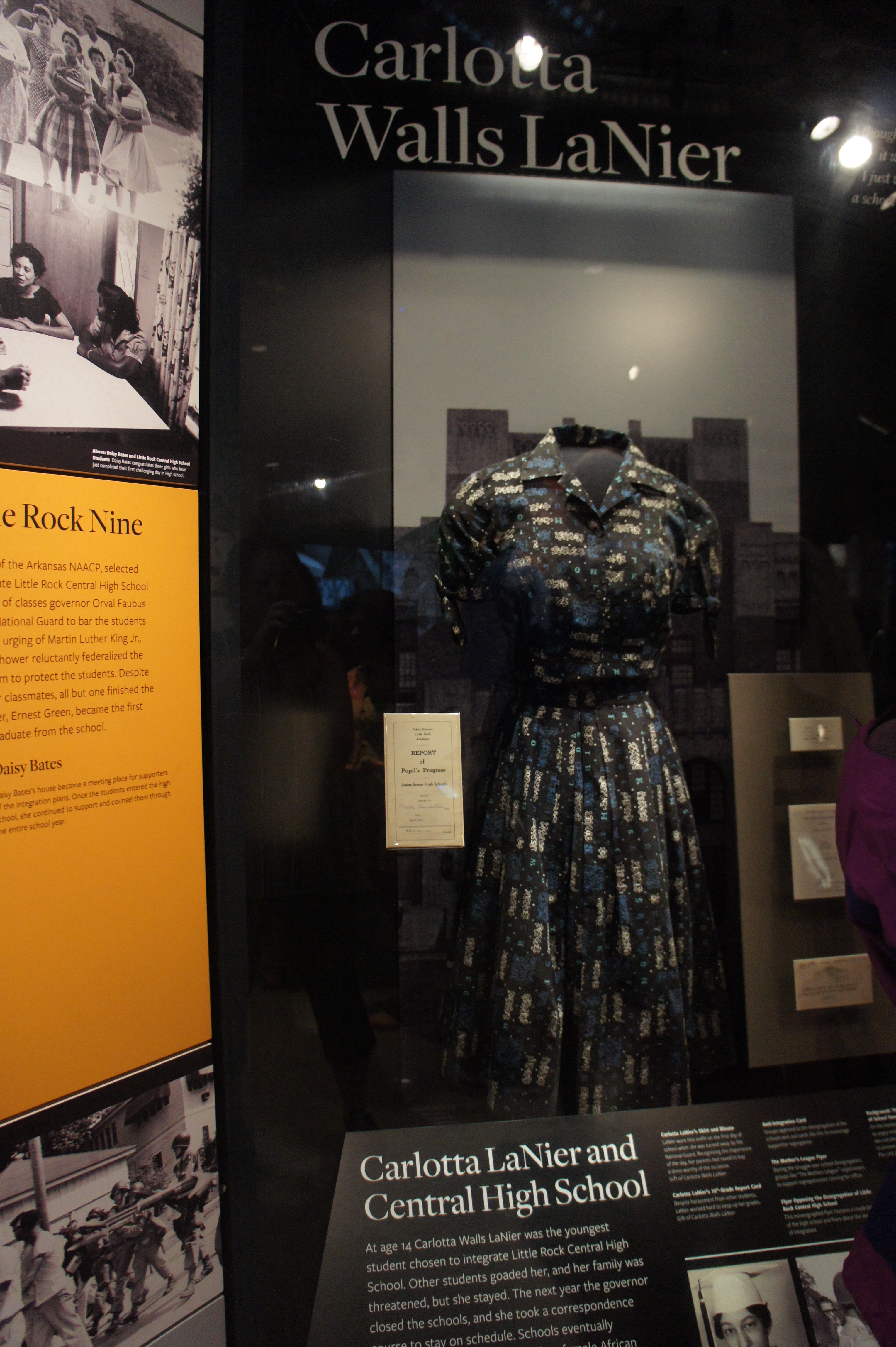
Carlotta Walls LaNier


Personally, I think you are doing a fantastic job relaying your experiences on this trip, and this post is no exception. It was so fortunate (and random!) that the CPR card ended up being your entrance ticket!
LikeLike
Thanks so much Kasey! I was so glad that we could get in – and yes, such a random way!
LikeLike
I am so glad you were lucky today. As with every post you have shared so far, I realize that there is always something new to learn from history. These quotes are inspiring, thank you!
LikeLike
Thanks so much Terri! I agree, that’s such a great way of looking at history. There’s always more to learn!
LikeLike